Supreme Court tariff ruling should end complaints that justices favor Trump

John Yoo writes on the Supreme Court’s decision on President Trump’s tariff case.
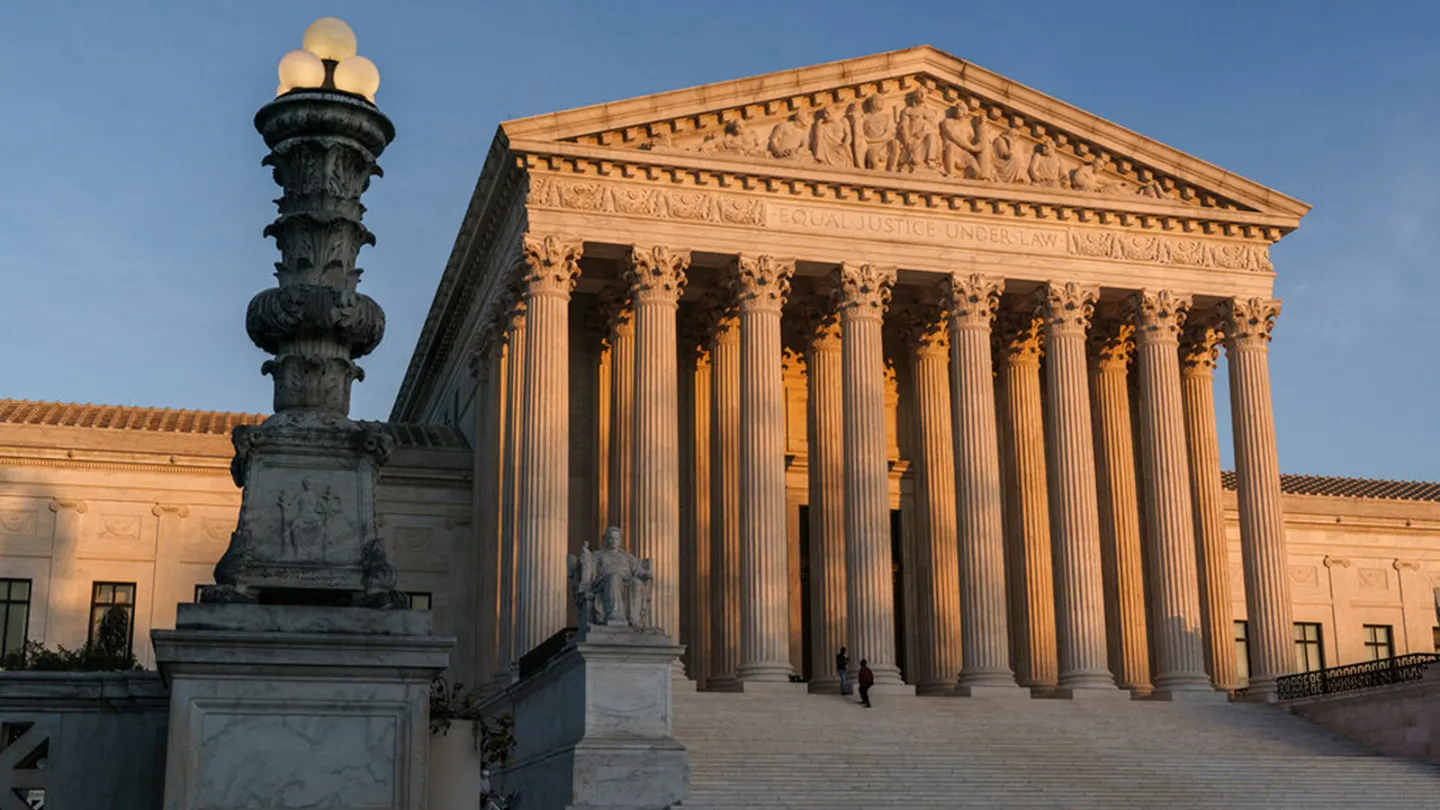
The Supreme Court just struck down President Donald Trump’s worldwide tariffs. Contrary to immediate takes on the opinion, Learning Resources v. Trump does not mark a permanent reduction in presidential power. If he chooses, Trump could restore many of his tariffs over the next year under different laws. But Learning Resources should put to bed the left’s attacks on the court and the Constitution, while also highlighting the need for cooperation between the president and Congress in managing foreign affairs.
Writing for a 6-3 majority, Chief Justice John Roberts reaffirmed two basic constitutional principles. First, he wrote that the Constitution vests the power to impose tariffs and taxes in Congress alone. Article I, Section 8 of the Constitution states that "Congress shall have Power To lay and collect Taxes, Duties, Imposes and Excises," and "To regulate Commerce with foreign Nations." Second, Congress can delegate that power to the president. Congress has enacted a series of trade laws that have. There was no real disagreement among any of the justices on these two fundamental points.

Constitutionalism
Amicus Brief: Hon. William P. Barr and Hon. Michael B. Mukasey in Support of Petitioners
Former AGs Barr and Mukasey Cite Civitas in a SCOTUS Brief

Rational Judicial Review: Constitutions as Power-sharing Agreements, Secession, and the Problem of Dred Scott
Judicial review and originalism serve as valuable commitment mechanisms to enforce future compliance with a political bargain.
.avif)






.png)
.png)
.png)
The Fifth Circuit’s Chance to Expose the Inflation Reduction Act’s Unconstitutionality
Despite the mounting evidence of harm, the Medicare Drug Price Negotiation Program remains law — and the Justice Department continues to defend it in federal court.