State Courts Can’t Run Foreign Policy


Suncor is also a golden opportunity for the justices to stop local officials from interfering with an industry critical to foreign and national-security policy.
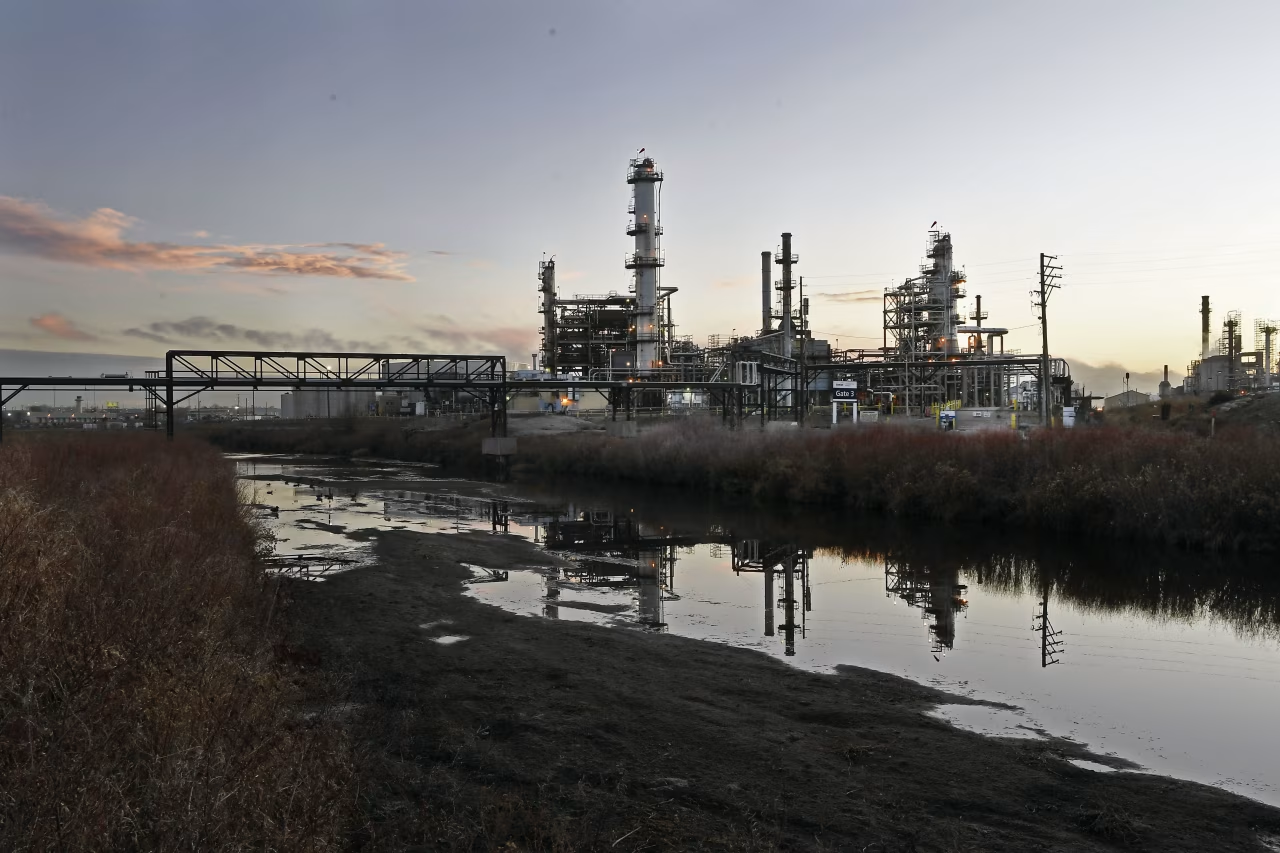
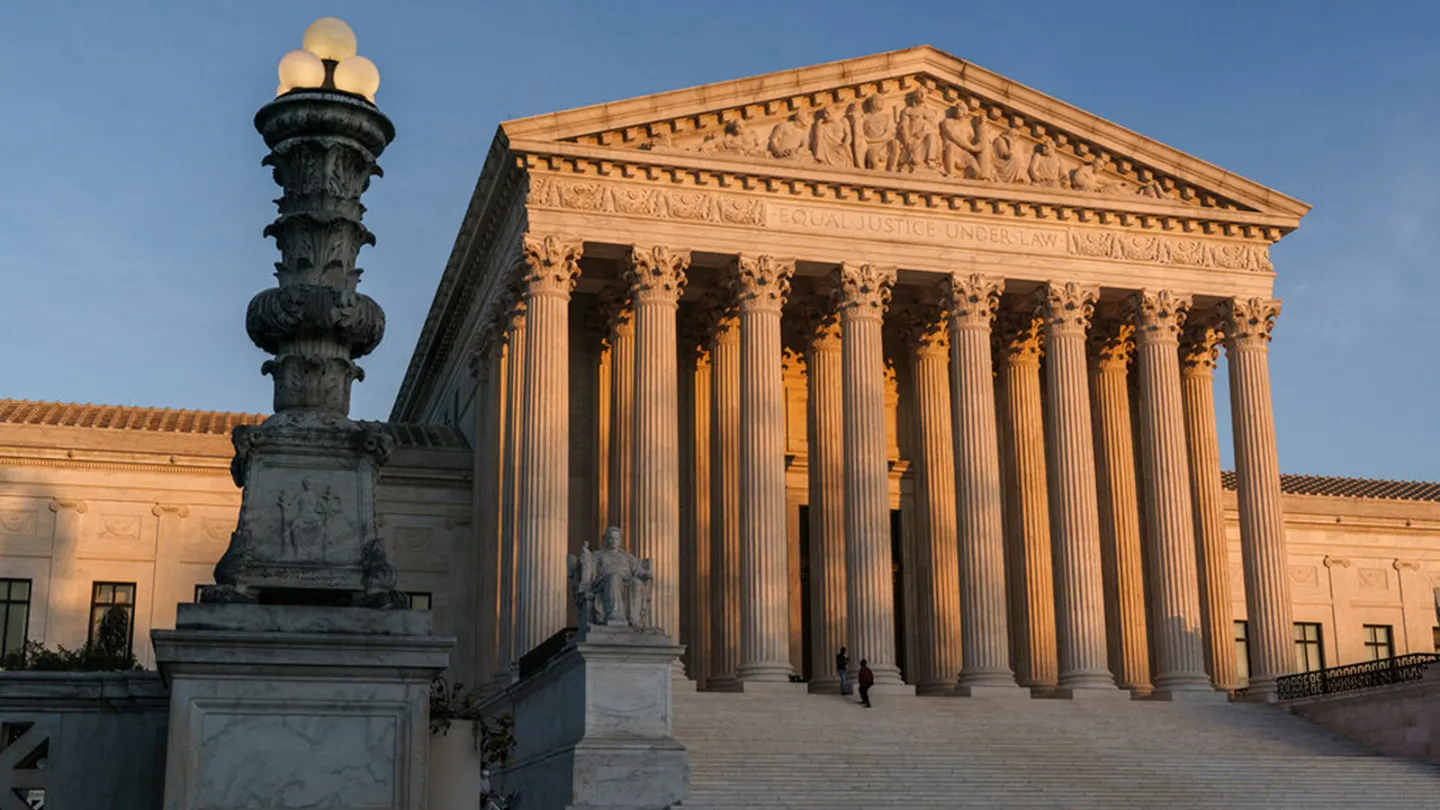
The Supreme Court said Monday that it will review Suncor Energy v. County Commissioners of Boulder, a case testing whether state and local governments can sue oil and gas companies over alleged climate-related harms—effectively imposing their policies on the whole country. Suncor is also a golden opportunity for the justices to stop local officials from interfering with an industry critical to foreign and national-security policy. Liberal and conservative justices have long agreed to pre-empt states from undermining the federal government’s authority over foreign affairs.
Boulder and other local governments have sought to blame industry for worldwide emissions, the vast bulk of which—nearly 90%, according to the International Energy Agency—originate outside the U.S. The international share of global emissions has been growing for decades, a trend that’s likely to persist as the U.S. continues its transition from coal to less carbon-intensive natural gas and as energy access expands in the developing world.

Constitutionalism
Amicus Brief: Hon. William P. Barr and Hon. Michael B. Mukasey in Support of Petitioners
Former AGs Barr and Mukasey Cite Civitas in a SCOTUS Brief

Rational Judicial Review: Constitutions as Power-sharing Agreements, Secession, and the Problem of Dred Scott
Judicial review and originalism serve as valuable commitment mechanisms to enforce future compliance with a political bargain.
.avif)




.png)
.png)
.png)
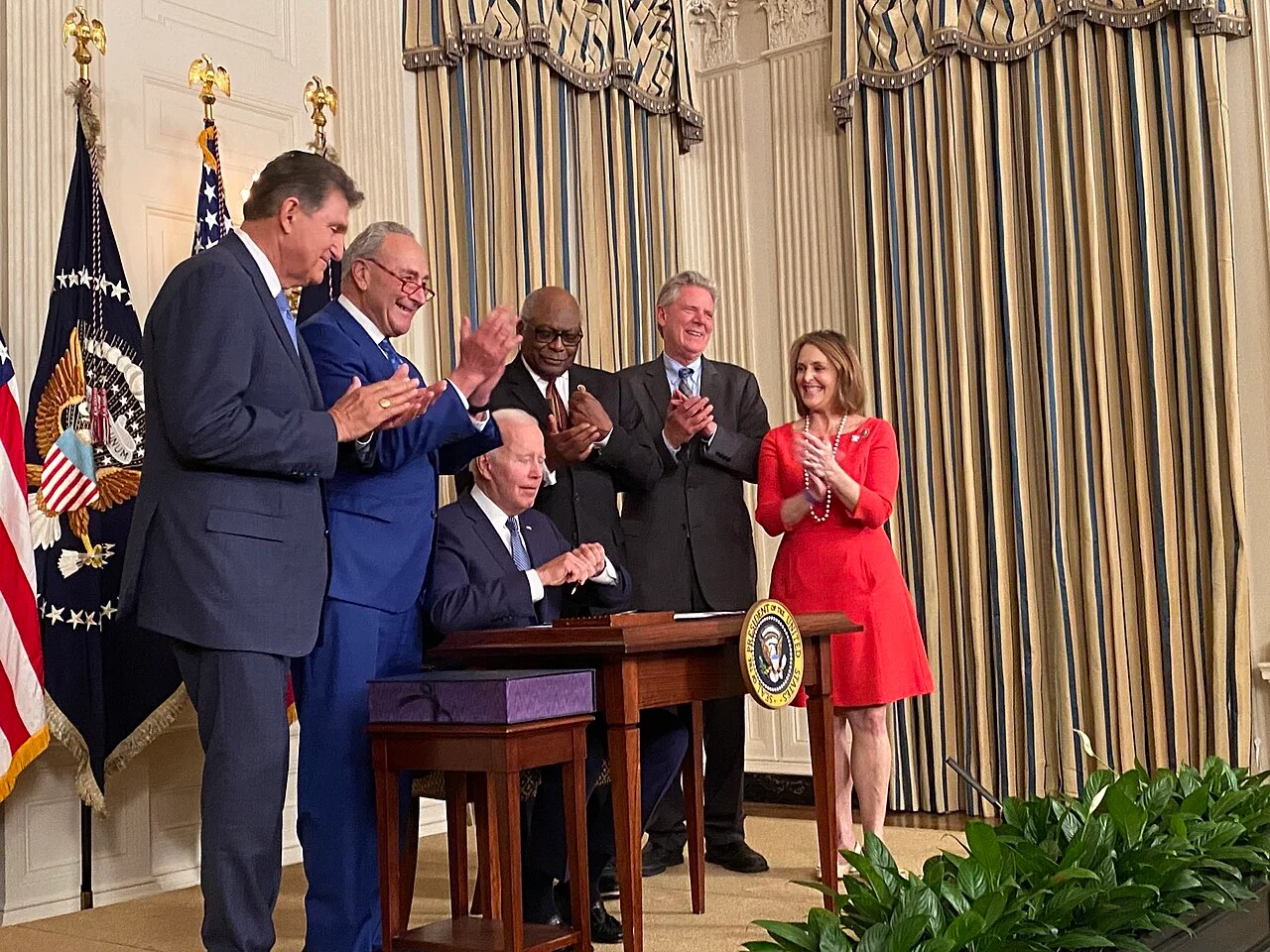
The Fifth Circuit’s Chance to Expose the Inflation Reduction Act’s Unconstitutionality
Despite the mounting evidence of harm, the Medicare Drug Price Negotiation Program remains law — and the Justice Department continues to defend it in federal court.