Why State Courts Should Not Set National Energy Policy

Judges are improperly turning courts into bastions of climate activism.
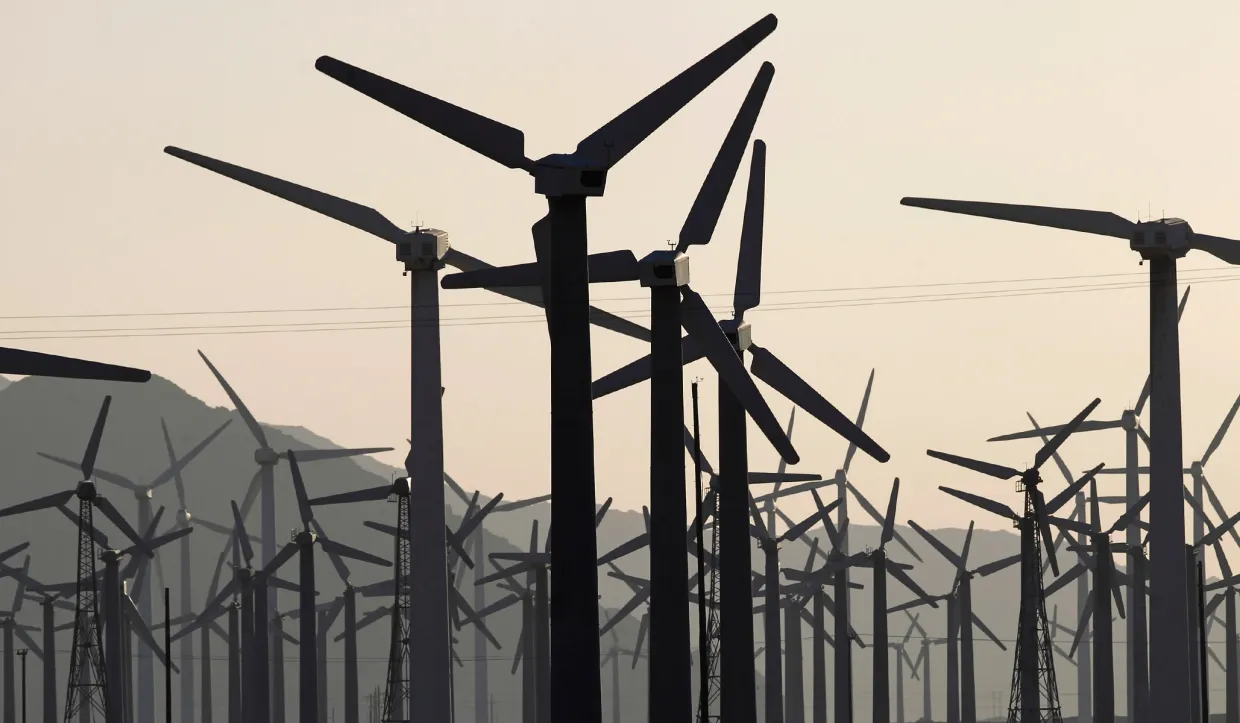
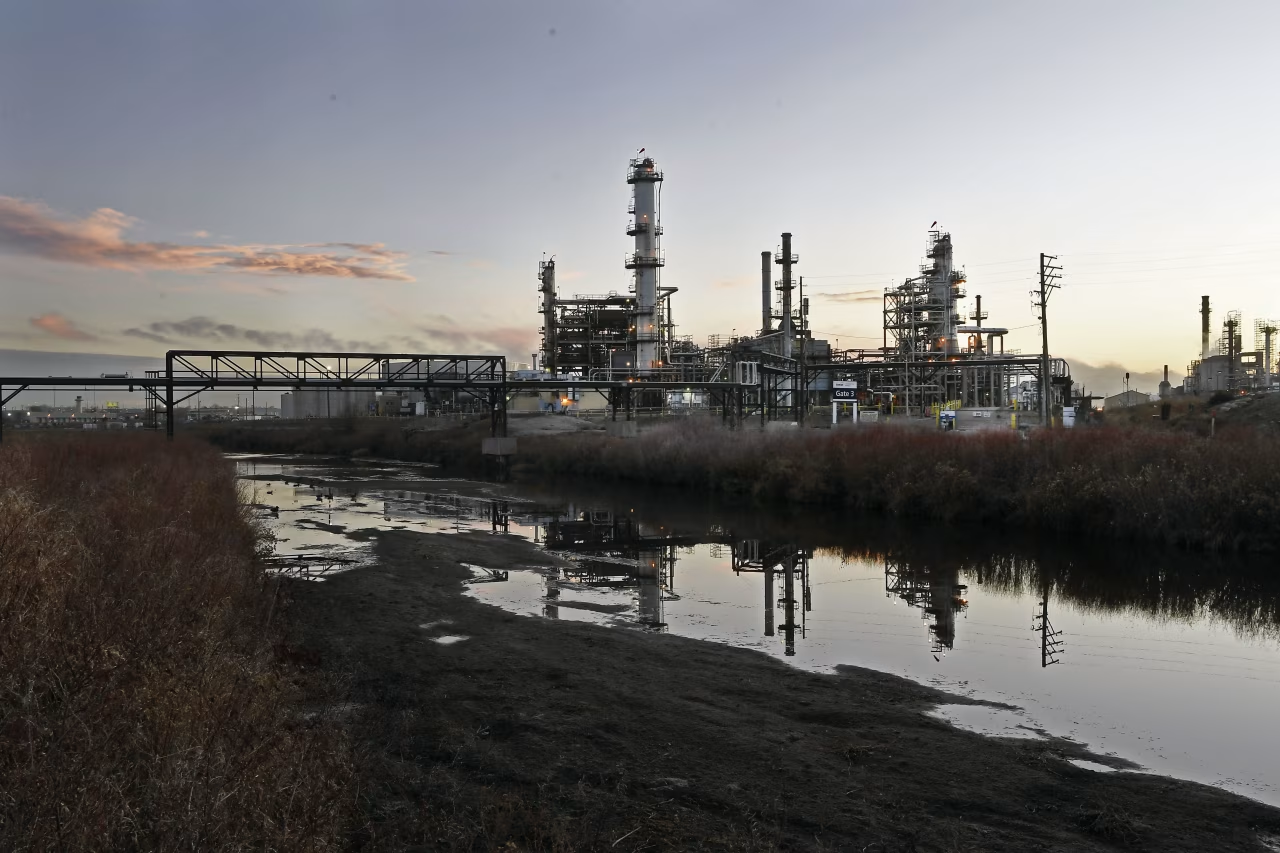
The Framers of our Constitution never intended for officials in Boulder, Colo., or any city, to set the energy and climate policy for the entire nation. The Supreme Court may have a chance to bolster the principle of federal supremacy over truly nationwide problems in a case pending for review, Suncor Energy Inc. v. Boulder.
Boulder’s lawsuit uses tort law — a body of state-made law that addresses accidents and noncriminal harms — to reshape national energy policy. After failing to push sweeping Green New Deal–style mandates through Congress, climate activists have turned their efforts toward the judicial system. Dozens of states and cities have filed copycat lawsuits that incredibly claim that energy companies have sold their product to unwitting consumers without disclosing the harms of climate change. These flimsy claims tempt judges into indulging their personal political preferences and imposing restrictions on energy that the political system has already rejected. This is not the proper use of the courts, but an effort to use the judiciary to sidestep public debate and democratic checks and balances.

Constitutionalism
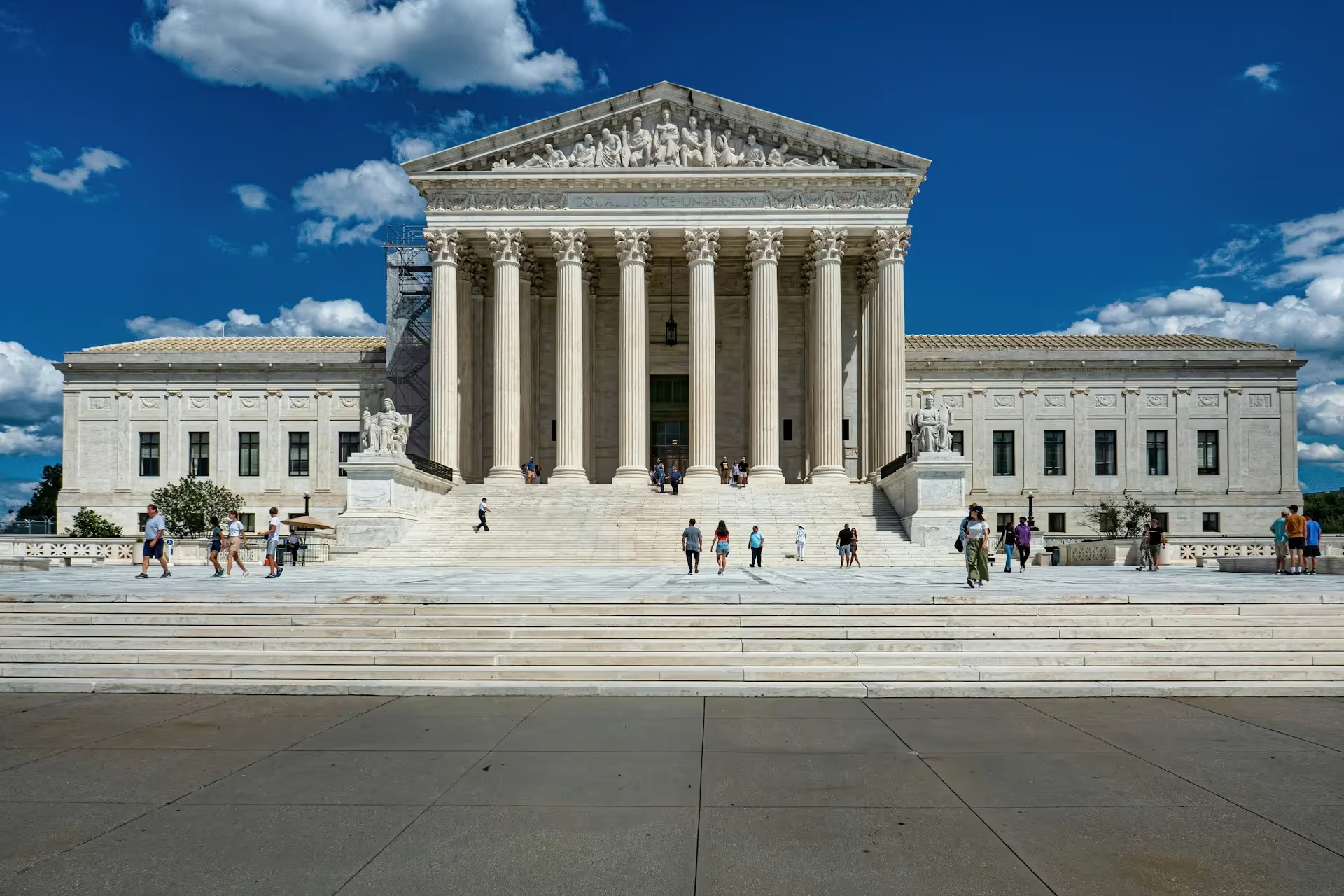
Amicus Brief: Hon. William P. Barr and Hon. Michael B. Mukasey in Support of Petitioners
Former AGs Barr and Mukasey Cite Civitas in a SCOTUS Brief

Rational Judicial Review: Constitutions as Power-sharing Agreements, Secession, and the Problem of Dred Scott
Judicial review and originalism serve as valuable commitment mechanisms to enforce future compliance with a political bargain.
.avif)





.png)
.png)
.png)
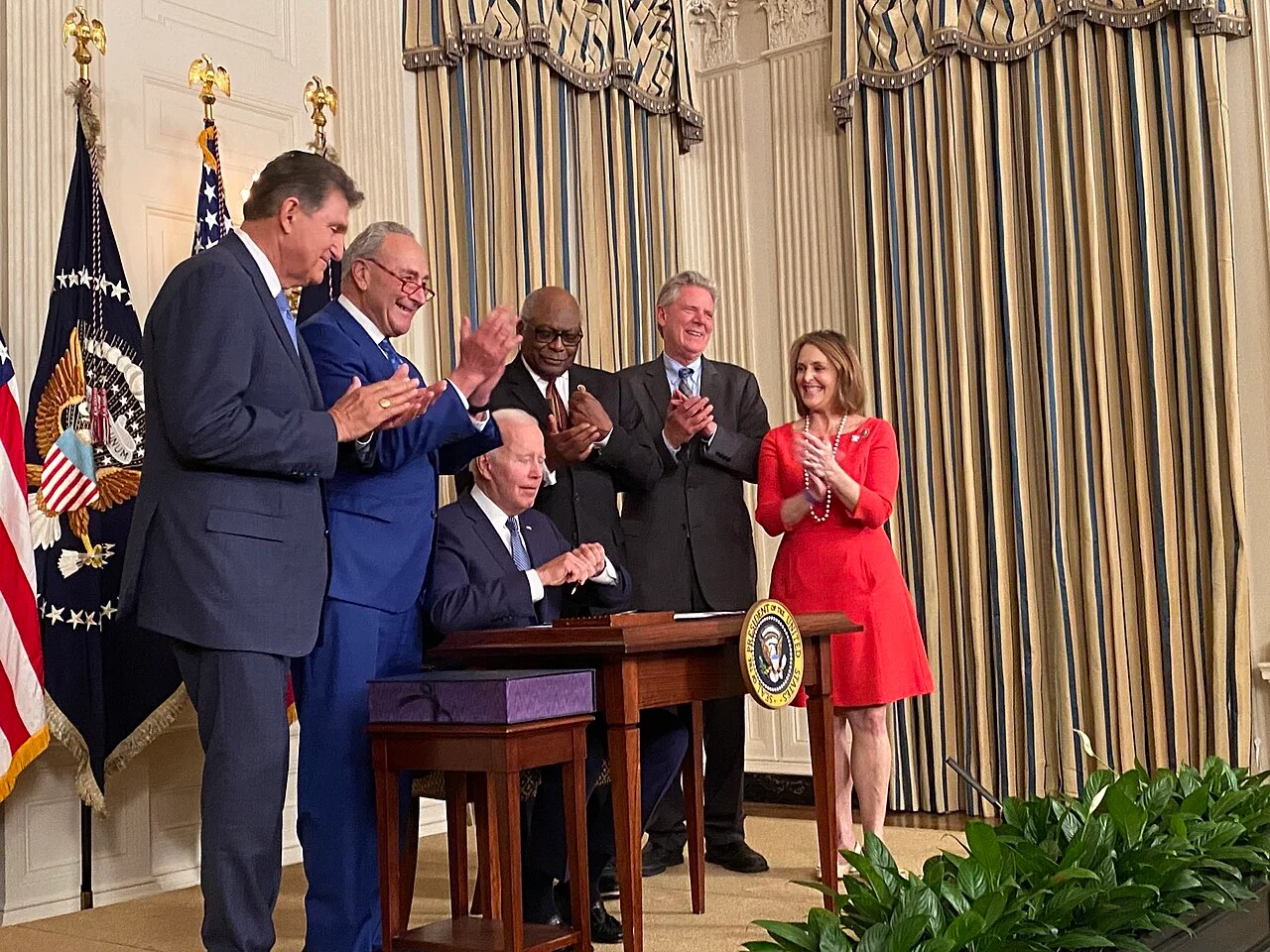
The Fifth Circuit’s Chance to Expose the Inflation Reduction Act’s Unconstitutionality
Despite the mounting evidence of harm, the Medicare Drug Price Negotiation Program remains law — and the Justice Department continues to defend it in federal court.