Supreme Court showdown exposes shaky case against birthright citizenship

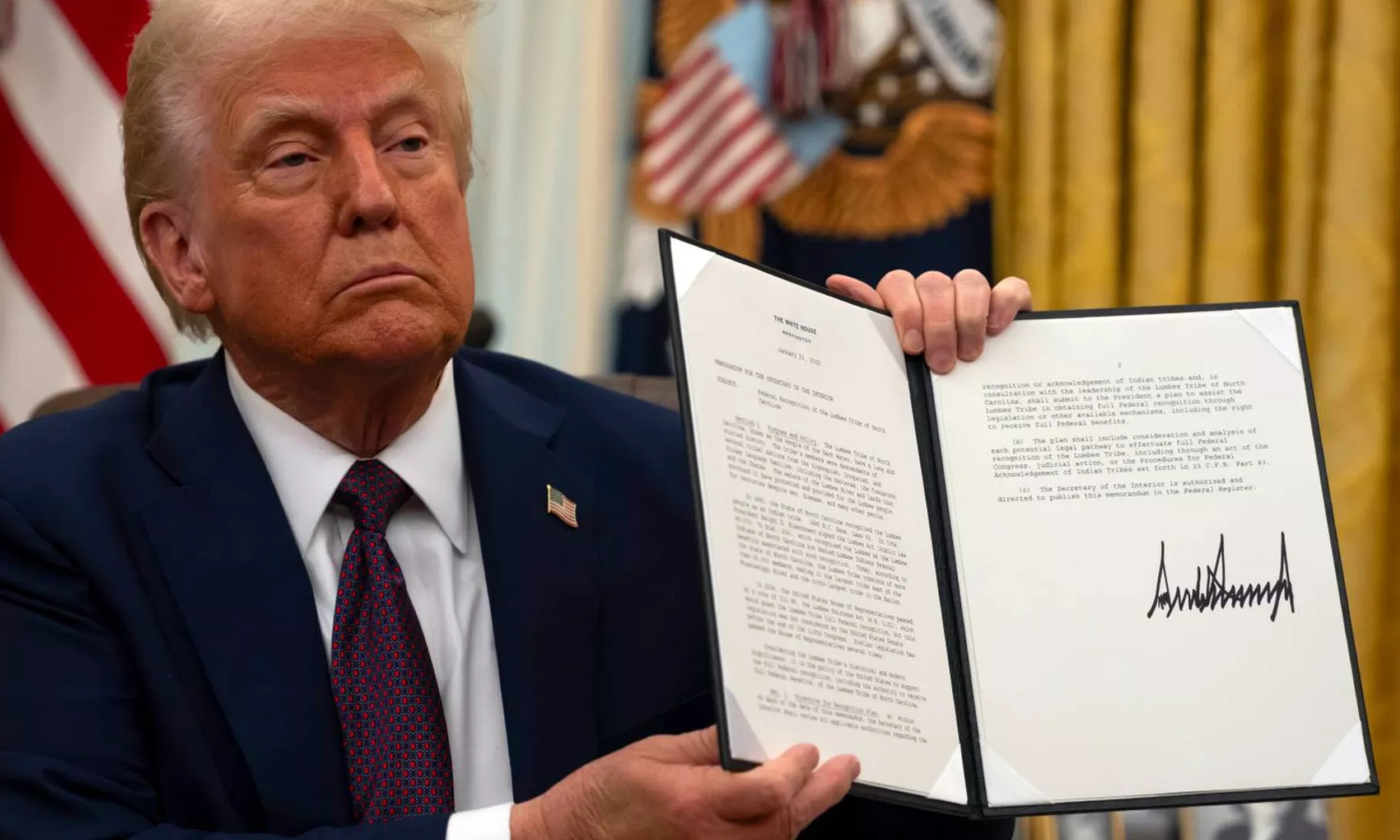
On Friday, the Supreme Court announced that it would hear challenges to President Donald Trump’s executive order to end birthright citizenship. The 14th Amendment automatically makes all babies born on American territory citizens. Trump’s effort to overturn the traditional reading of the constitutional text and history should not succeed.
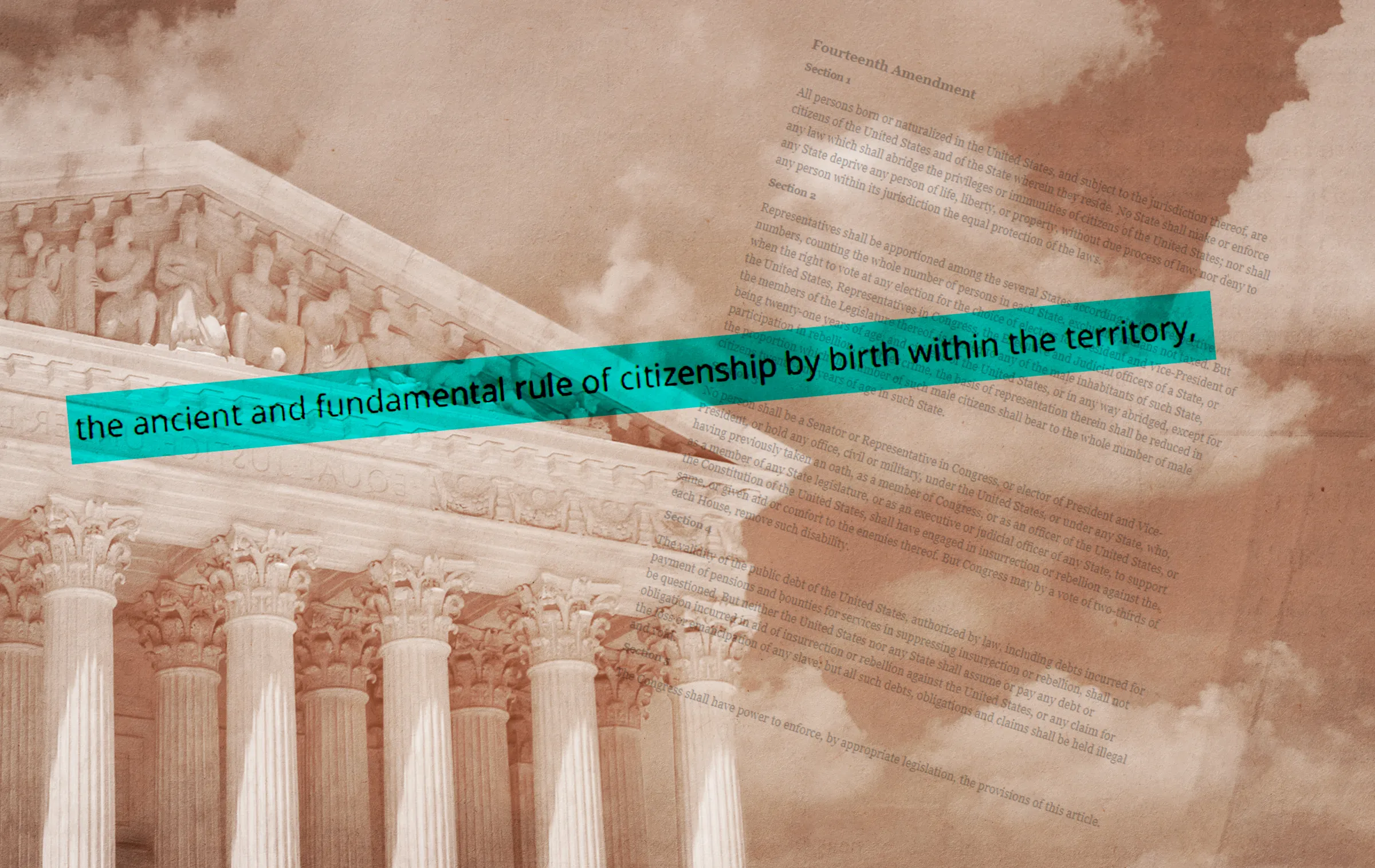
Ratified in 1868, the 14th Amendment provided a constitutional definition of citizenship for the first time. It declares that "all persons born or naturalized in the United States, and subject to the jurisdiction thereof, are citizens of the United States and of the state wherein they reside." In antebellum America, states granted citizenship: they all followed the British rule of jus soli (citizenship determined by place of birth) rather than the European rule of jus sanguinis (citizenship determined by parental lineage). As the 18th-century English jurist William Blackstone explained: "the children of aliens, born here in England, are, generally speaking, natural-born subjects, and entitled to all the privileges of such." Upon independence, the American states incorporated the British rule into their own laws.

Constitutionalism
Amicus Brief: Hon. William P. Barr and Hon. Michael B. Mukasey in Support of Petitioners
Former AGs Barr and Mukasey Cite Civitas in a SCOTUS Brief

Rational Judicial Review: Constitutions as Power-sharing Agreements, Secession, and the Problem of Dred Scott
Judicial review and originalism serve as valuable commitment mechanisms to enforce future compliance with a political bargain.
.avif)







.png)
.png)
.png)
The Fifth Circuit’s Chance to Expose the Inflation Reduction Act’s Unconstitutionality
Despite the mounting evidence of harm, the Medicare Drug Price Negotiation Program remains law — and the Justice Department continues to defend it in federal court.