Epstein: Executive Power & Authoritarianism
Original description from the Rob Montz Show:
Many people see Trump as revolutionary restoring the sacred ideals of the country. Many others see a tyrant, a mob boss seizing dictatorial power. Who’s right? Is Trump really a dictator?
To sort this out I sat down the legal legend Richard Epstein, a long time law professor at the University of Chicago and New York University who has a mastery over the technical minutiae and legal history of executive authority. Why does he think Trump’s tariffs as obviously unconstitutional? What does he mean that grudges run this administration? And when so many other presidents have snatched power they weren’t supposed to have, is Trump really an outlier?


Constitutionalism
Amicus Brief: Hon. William P. Barr and Hon. Michael B. Mukasey in Support of Petitioners
Former AGs Barr and Mukasey Cite Civitas in a SCOTUS Brief

Rational Judicial Review: Constitutions as Power-sharing Agreements, Secession, and the Problem of Dred Scott
Judicial review and originalism serve as valuable commitment mechanisms to enforce future compliance with a political bargain.
.avif)




.png)
.png)
.png)
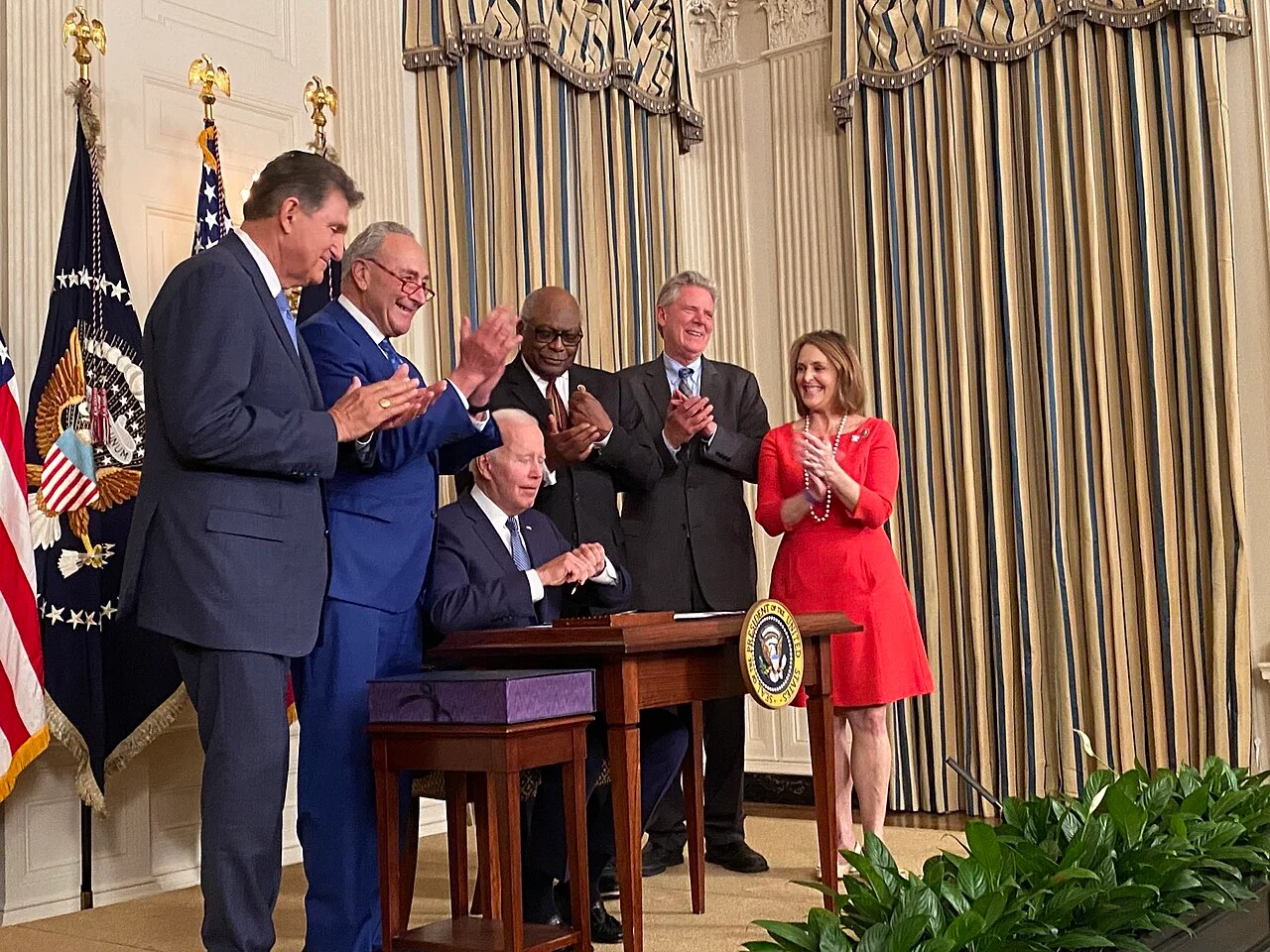
The Fifth Circuit’s Chance to Expose the Inflation Reduction Act’s Unconstitutionality
Despite the mounting evidence of harm, the Medicare Drug Price Negotiation Program remains law — and the Justice Department continues to defend it in federal court.