Epstein: Tim Kaine’s Misunderstanding of Natural Rights
Original description from Chicago's Morning Answer:
University of Chicago law professor Richard Epstein criticized Senator Tim Kaine (D-VA) for comments made at a Senate Foreign Relations Committee hearing suggesting that rights come from government rather than from a higher source. Epstein called the remarks historically inaccurate and philosophically misguided, pointing back to the natural rights tradition of John Locke and the framing of America’s founding documents.
Epstein explained that Locke’s view established government as a limited institution created by the people to protect inherent rights of life, liberty, and property. By contrast, systems where rights are granted solely by the state—whether in absolute monarchies, theocratic regimes, or modern progressive models—open the door to coercion and abuse. Jefferson’s reference to “the Laws of Nature and of Nature’s God” in the Declaration of Independence, Epstein noted, was a conscious acknowledgment that rights exist independently of government power.
The professor also raised concerns about today’s political and academic climate. He argued that universities, dominated by one ideological viewpoint, are producing dogmatic graduates unprepared for debate. Epstein said that free expression is increasingly being replaced by cancellation and, in extreme cases, violence—an inversion of the First Amendment principle that offense is not grounds to silence others.
Epstein warned that when indignation is treated as justification for censorship or force, the rule of law is undermined. He urged a return to robust debate, institutional diversity, and limited government as the antidote to the polarization now evident in politics and culture.


Constitutionalism
Amicus Brief: Hon. William P. Barr and Hon. Michael B. Mukasey in Support of Petitioners
Former AGs Barr and Mukasey Cite Civitas in a SCOTUS Brief

Rational Judicial Review: Constitutions as Power-sharing Agreements, Secession, and the Problem of Dred Scott
Judicial review and originalism serve as valuable commitment mechanisms to enforce future compliance with a political bargain.
.avif)




.png)
.png)
.png)
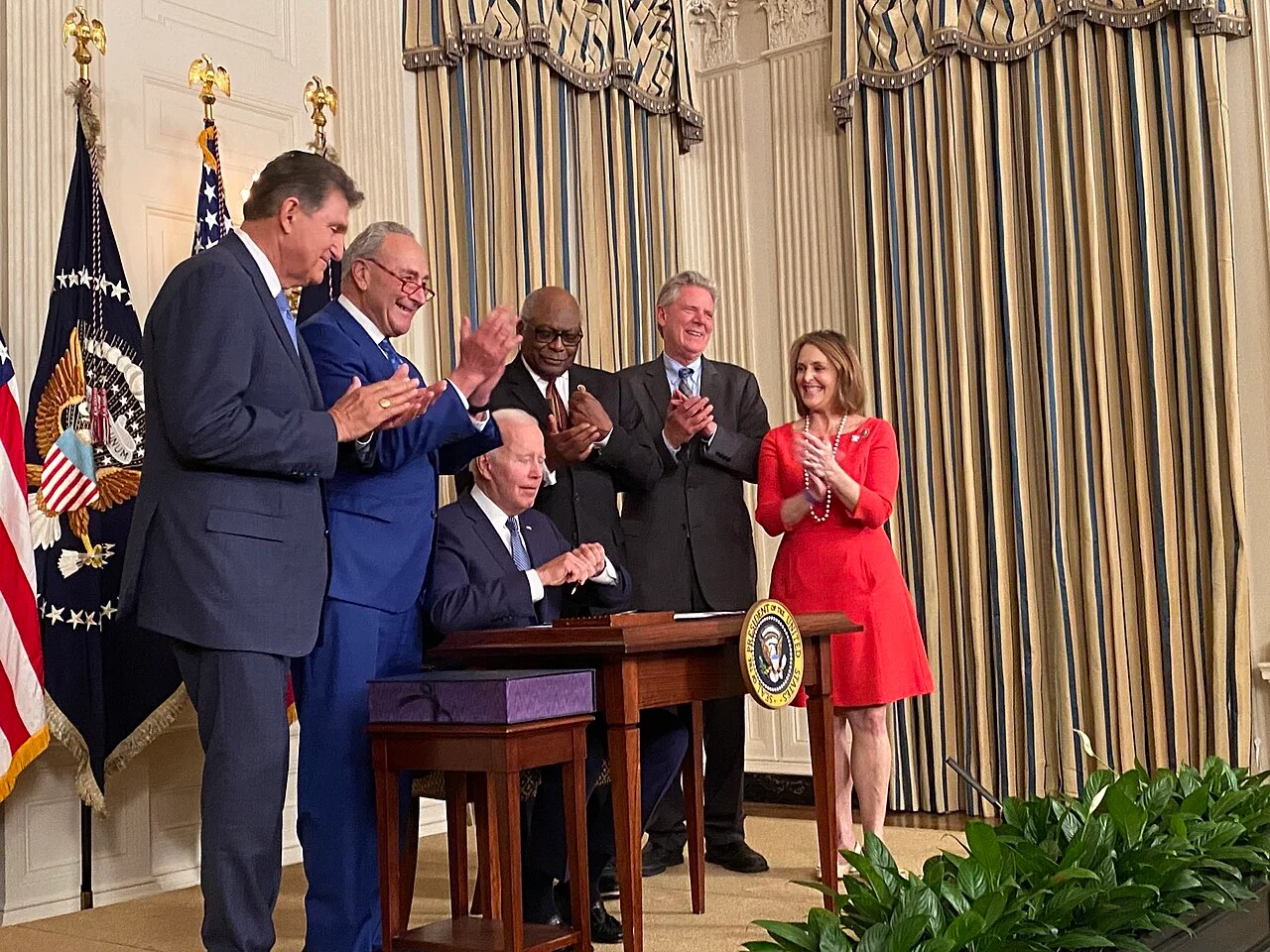
The Fifth Circuit’s Chance to Expose the Inflation Reduction Act’s Unconstitutionality
Despite the mounting evidence of harm, the Medicare Drug Price Negotiation Program remains law — and the Justice Department continues to defend it in federal court.