Rational Judicial Review: Constitutions as Power-sharing Agreements, Secession, and the Problem of Dred Scott

Judicial review and originalism serve as valuable commitment mechanisms to enforce future compliance with a political bargain.
Summary
Scholars have engaged in a sharp argument over whether the judiciary should follow the original understanding in interpreting the Constitution. Recent criticism has argued that originalism fails because it does not advance a substantive moral or political good. This paper responds to this criticism by advancing an instrumental justification for originalism. It argues that a nation may fail to make a constitution because regions with differing policy preferences may not trust each other to obey the agreement after ratification. Constitution-makers can overcome this obstacle by committing to future enforcement of the agreement by an independent judiciary. To maintain the founding bargain, the judiciary would interpret the constitution based on the original understanding of its makers. Using Dred Scott as a case study of a failure in constitution making because of a flawed application of originalism, this Article argues that judicial review and originalism serve as valuable commitment mechanisms to enforce future compliance with a political bargain.

Constitutionalism
Amicus Brief: Hon. William P. Barr and Hon. Michael B. Mukasey in Support of Petitioners
Former AGs Barr and Mukasey Cite Civitas in a SCOTUS Brief
.avif)
Amicus Brief: Chevron U.S.A. Inc. v. Plaquemines Parish
Civitas Research Fellow Michael Toth's work was cited in a Supreme Court brief.

.avif)






.png)
.png)
.png)
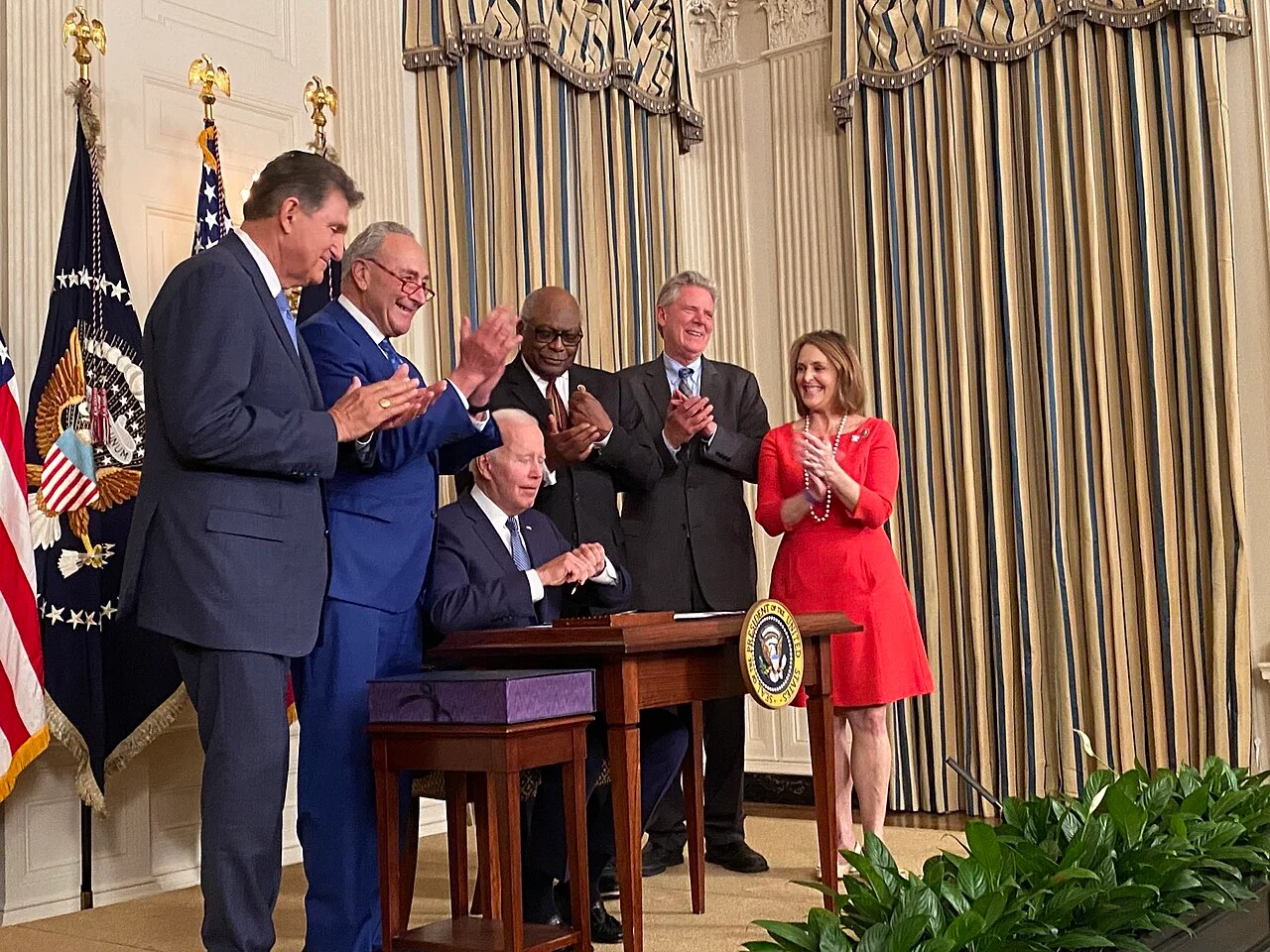
The Fifth Circuit’s Chance to Expose the Inflation Reduction Act’s Unconstitutionality
Despite the mounting evidence of harm, the Medicare Drug Price Negotiation Program remains law — and the Justice Department continues to defend it in federal court.