A New Research Agenda for AI Constitutionalism

AI constitutionalism is too important to leave to the labs. Here are the questions scholars should take up.
Frontier artificial intelligence (AI) systems have rapidly spread across the world. Corporations, governments, and civil society have integrated these tools into core processes. As AI tools become more capable and autonomous, humans will become less involved in monitoring how these systems reason and function. If humans are not in the “loop”—actively scrutinizing discrete AI outputs—as frequently, alternative means of oversight must be developed. The rule of law hinges on the public having means to contest exercises of power by private and public actors. As of now, frontier AI developers design their systems subject to the preferences, views, and expertise of a handful of employees via internal, opaque, and unsettled processes.
AI constitutions—the high-level, public-facing documents that specify the principles, rules, and cases intended to align the model with the lab’s mission—offer a potential vehicle for contestation. Though distinct from constitutions as a political community’s foundational document, the term is nevertheless useful in this domain because AI constitutions likewise aim to influence how a complex, unpredictable entity will evolve and resolve trade-offs between values and priorities. Critically, the labs, including Anthropic and OpenAI, have not explicitly attempted to equate their respective constitutions to the U.S. Constitution or any other such document—and for good reason. As detailed below, the labs craft these documents behind closed doors and enforce them with no third party oversight. Though the drafting and enforcement of AI constitutions are still opaque, at least the constitutions themselves are available to read, allowing for public scrutiny.

Constitutionalism
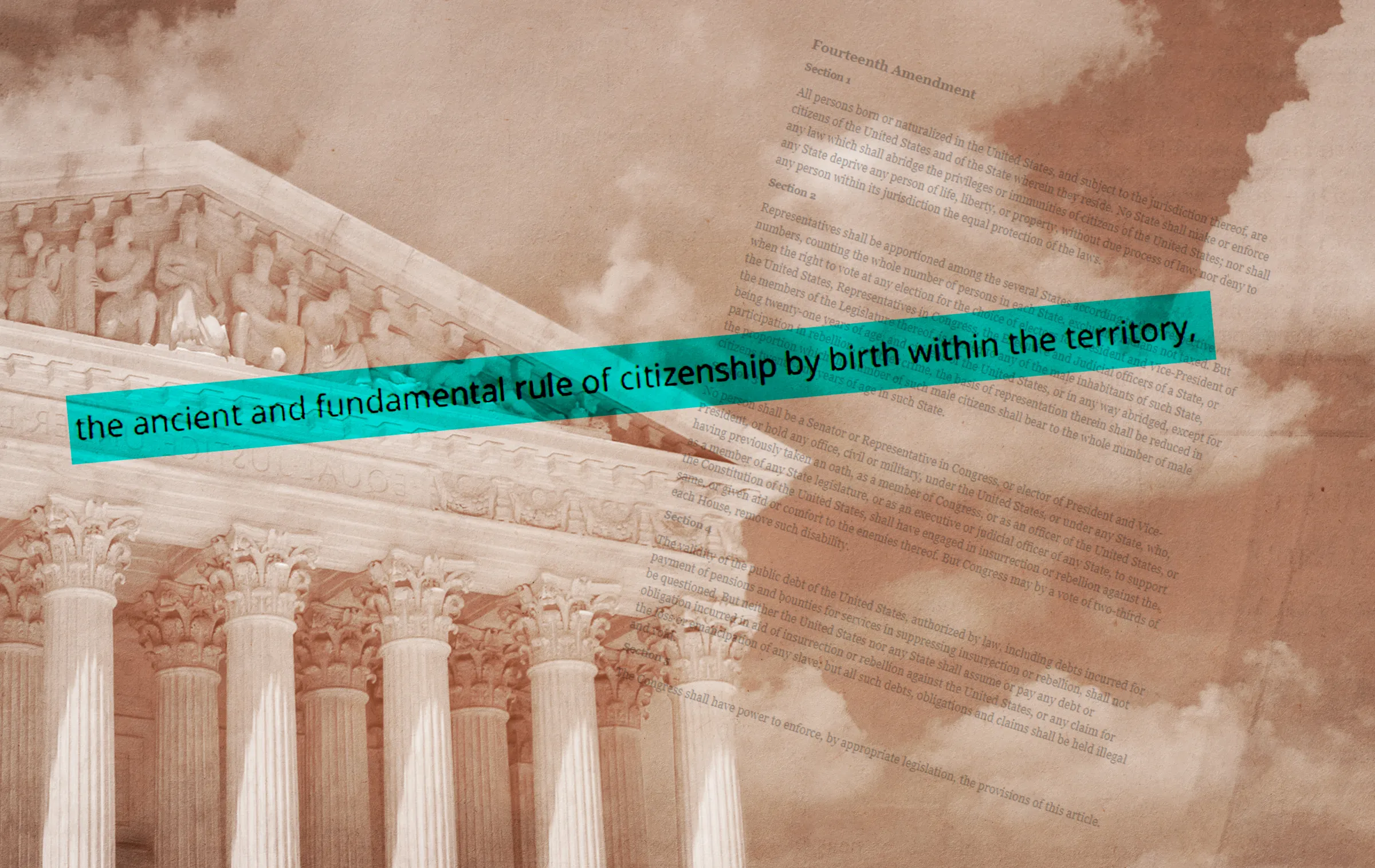
Amicus Brief: Hon. William P. Barr and Hon. Michael B. Mukasey in Support of Petitioners
Former AGs Barr and Mukasey Cite Civitas in a SCOTUS Brief

Rational Judicial Review: Constitutions as Power-sharing Agreements, Secession, and the Problem of Dred Scott
Judicial review and originalism serve as valuable commitment mechanisms to enforce future compliance with a political bargain.
.avif)






.png)
.png)
.png)

The Fifth Circuit’s Chance to Expose the Inflation Reduction Act’s Unconstitutionality
Despite the mounting evidence of harm, the Medicare Drug Price Negotiation Program remains law — and the Justice Department continues to defend it in federal court.