Trump’s War on Narco Boats
Richard Epstein examines the constitutional, statutory, and international-law implications of the Trump administration’s recent strikes on vessels in the Caribbean alleged to be transporting “narco-terrorists.” Epstein outlines the traditional separation of war powers, emphasizing the limits on unilateral executive action and the enduring constraints imposed by international norms governing the use of force, self-defense, and the treatment of noncombatants. Their discussion highlights key precedents in maritime and public international law, the challenges of applying long-standing legal doctrines to modern security threats, and the potential domestic and geopolitical consequences of executive overreach.
The Libertarian
The Slippery Slope of Social Media Liability
The conversation ranges from contributory liability and First Amendment concerns to the deeper question: who is responsible when harm flows through a network?
The Half-War
Richard Epstein examines the unfolding U.S. confrontation with Iran through both a strategic and constitutional lens, arguing that President Trump’s approach reflects a deeper tension between military necessity and political constraint.
Constitutionalism
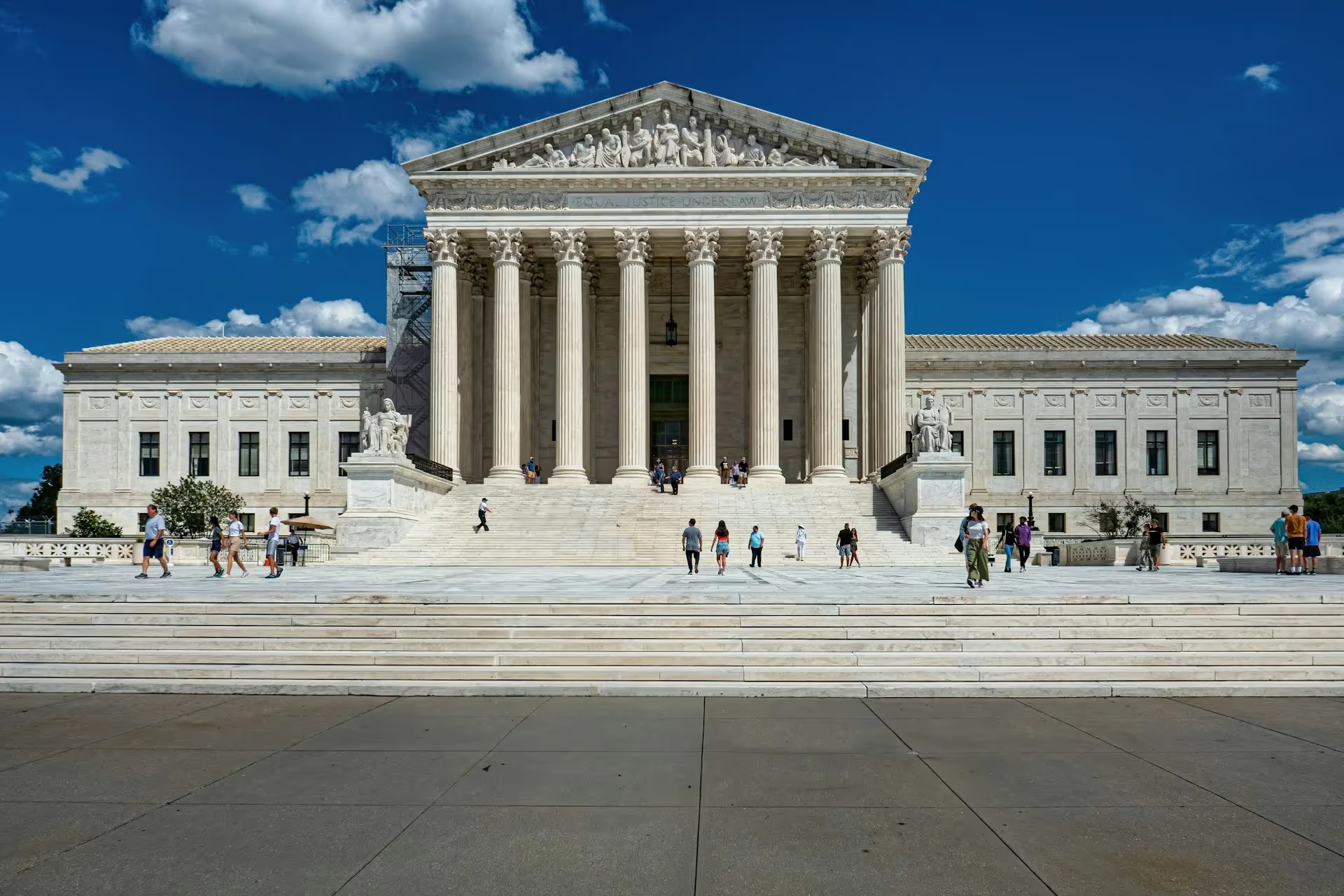
Amicus Brief: Hon. William P. Barr and Hon. Michael B. Mukasey in Support of Petitioners
Former AGs Barr and Mukasey Cite Civitas in a SCOTUS Brief

Rational Judicial Review: Constitutions as Power-sharing Agreements, Secession, and the Problem of Dred Scott
Judicial review and originalism serve as valuable commitment mechanisms to enforce future compliance with a political bargain.
.avif)







.png)
.png)
.png)

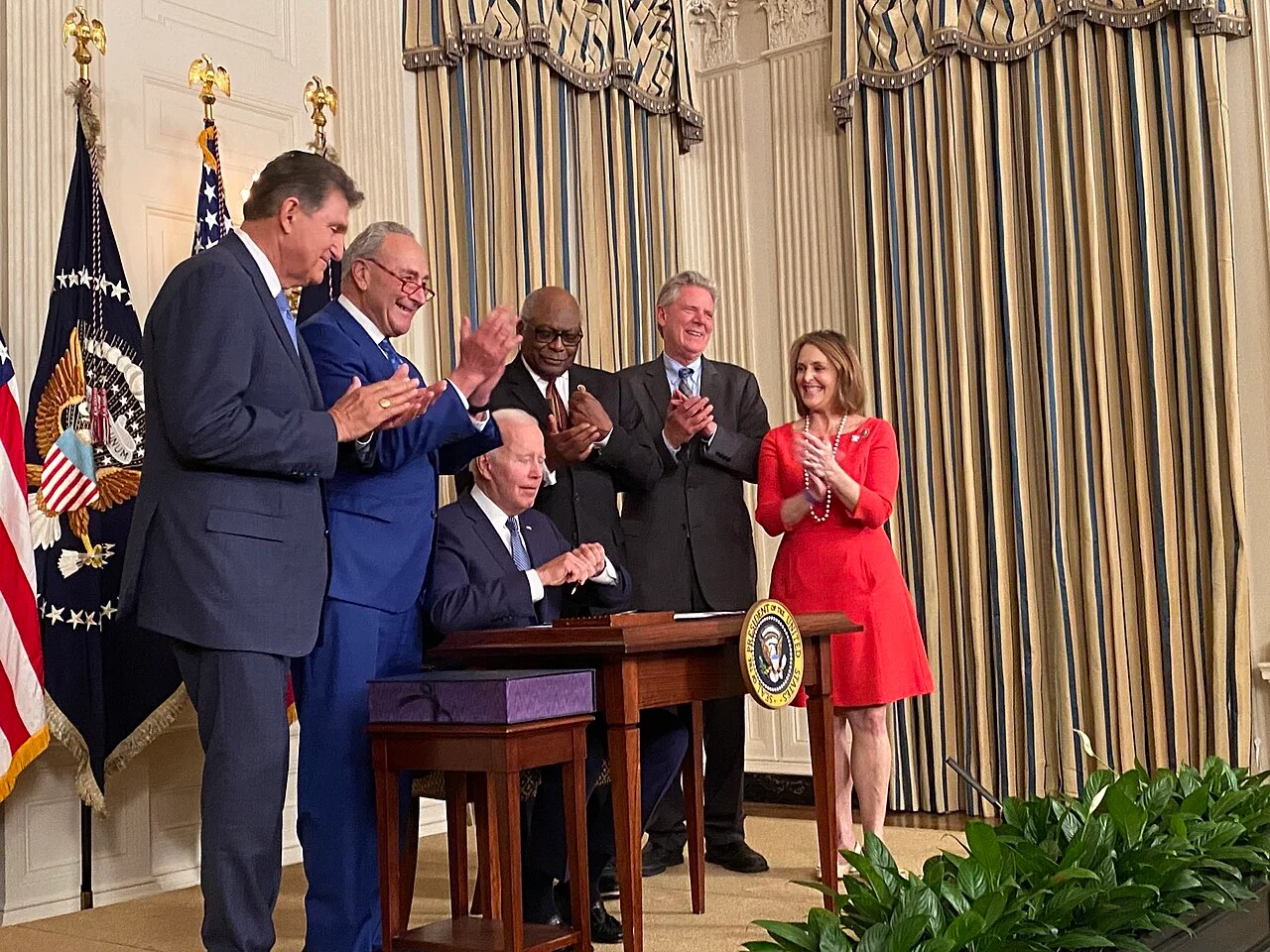
The Fifth Circuit’s Chance to Expose the Inflation Reduction Act’s Unconstitutionality
Despite the mounting evidence of harm, the Medicare Drug Price Negotiation Program remains law — and the Justice Department continues to defend it in federal court.


Get the Civitas Outlook daily digest, plus new research and events.