A Turning Point For Section 2: SCOTUS Reins in the Voting Rights Act
Charles C. W. Cooke and Richard Epstein break down the Supreme Court’s latest Voting Rights Act decision, examining how the ruling in Louisiana v. Callais narrows the use of race in redistricting and marks a turning point in election law. Epstein argues that the Court has finally begun to rein in what he sees as decades of overreach, tracing the evolution of voting rights jurisprudence from the Civil Rights era to today and questioning whether majority-minority districts have outlived their original purpose. The conversation explores the legal foundations of racial gerrymandering, the unintended political consequences of engineered districts, and the broader implications for polarization, representation, and the future of redistricting in the United States.
The Libertarian
Constitutionalism
Amicus Brief: Hon. William P. Barr and Hon. Michael B. Mukasey in Support of Petitioners
Former AGs Barr and Mukasey Cite Civitas in a SCOTUS Brief

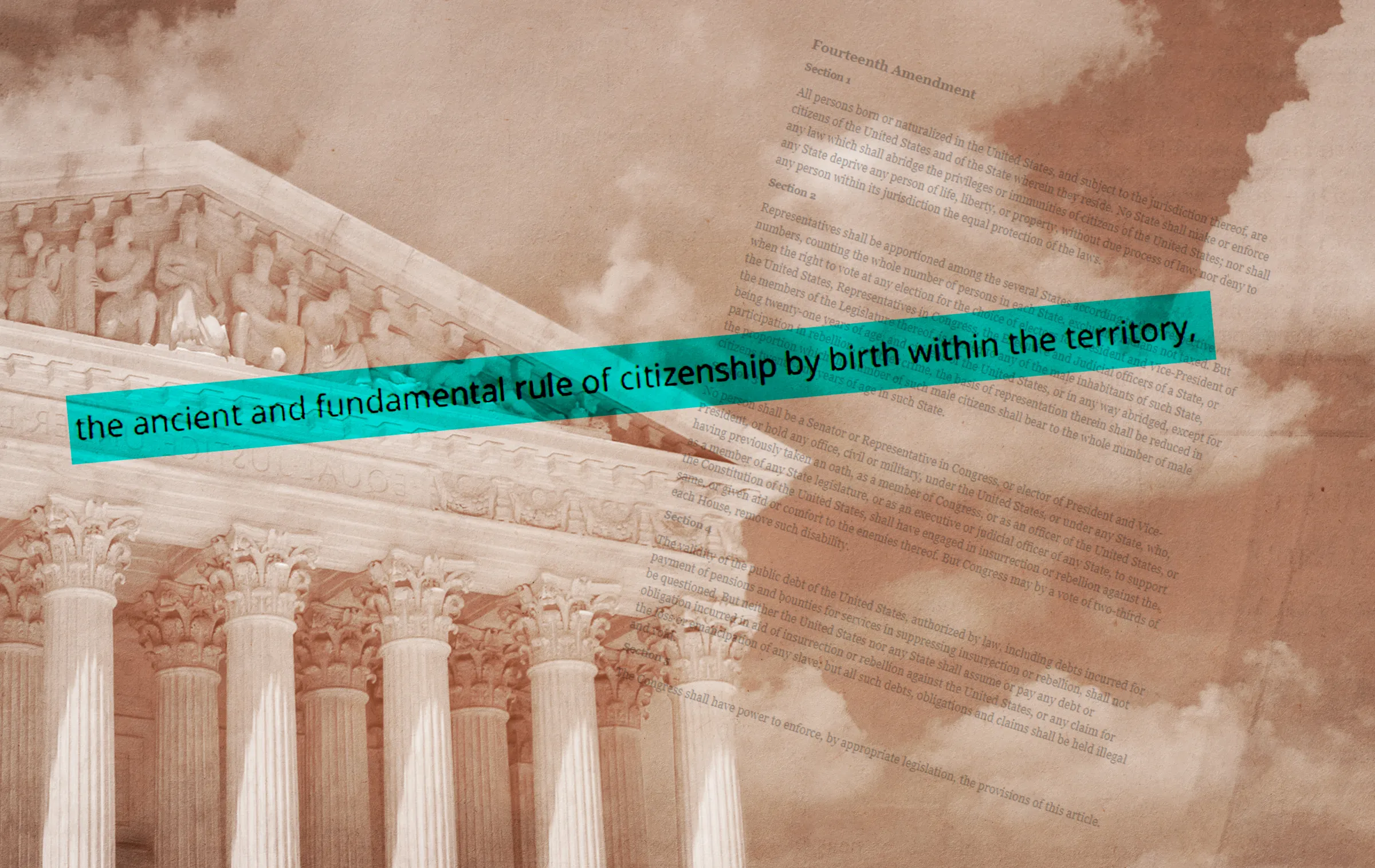
Rational Judicial Review: Constitutions as Power-sharing Agreements, Secession, and the Problem of Dred Scott
Judicial review and originalism serve as valuable commitment mechanisms to enforce future compliance with a political bargain.
.avif)






.png)
.png)
.png)
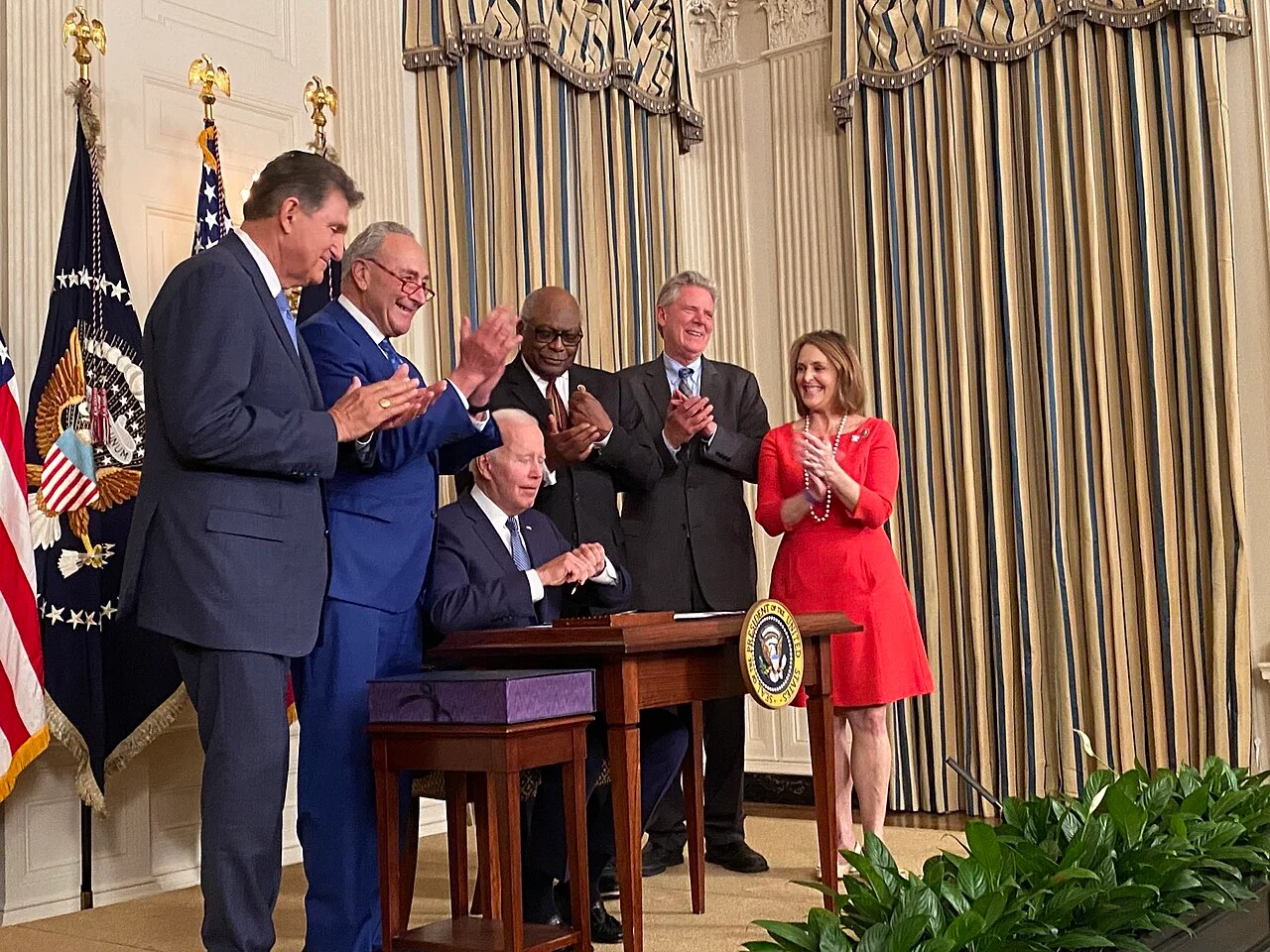
The Fifth Circuit’s Chance to Expose the Inflation Reduction Act’s Unconstitutionality
Despite the mounting evidence of harm, the Medicare Drug Price Negotiation Program remains law — and the Justice Department continues to defend it in federal court.


Get the Civitas Outlook daily digest, plus new research and events.