Who Decides When America Goes to War?
Who actually decides when the United States goes to war—Congress or the president? Richard Epstein traces the Constitution’s original division of war powers from 1789 to the present and explains how practice, politics, and modern warfare have steadily shifted authority toward the presidency. Along the way, they explore declarations of war that never happen, authorizations that never expire, emergency actions that become routine, and why Congress so often prefers not to decide at all. Professor Epstein argues that America now operates under two constitutions—the one we wrote and the one we live with.


Constitutionalism
Amicus Brief: Hon. William P. Barr and Hon. Michael B. Mukasey in Support of Petitioners
Former AGs Barr and Mukasey Cite Civitas in a SCOTUS Brief

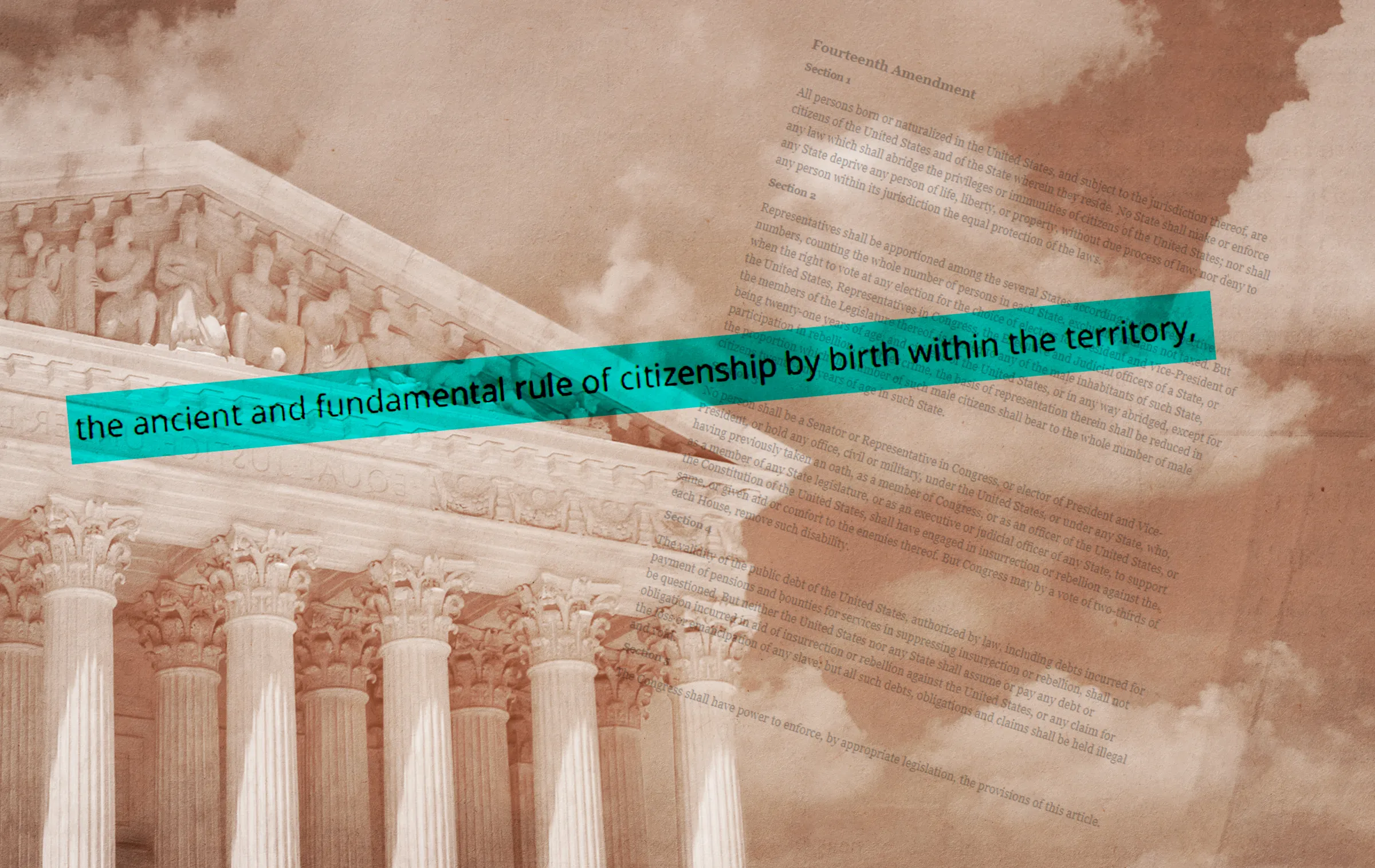
Rational Judicial Review: Constitutions as Power-sharing Agreements, Secession, and the Problem of Dred Scott
Judicial review and originalism serve as valuable commitment mechanisms to enforce future compliance with a political bargain.
.avif)





.png)
.png)
.png)
.png)
.png)
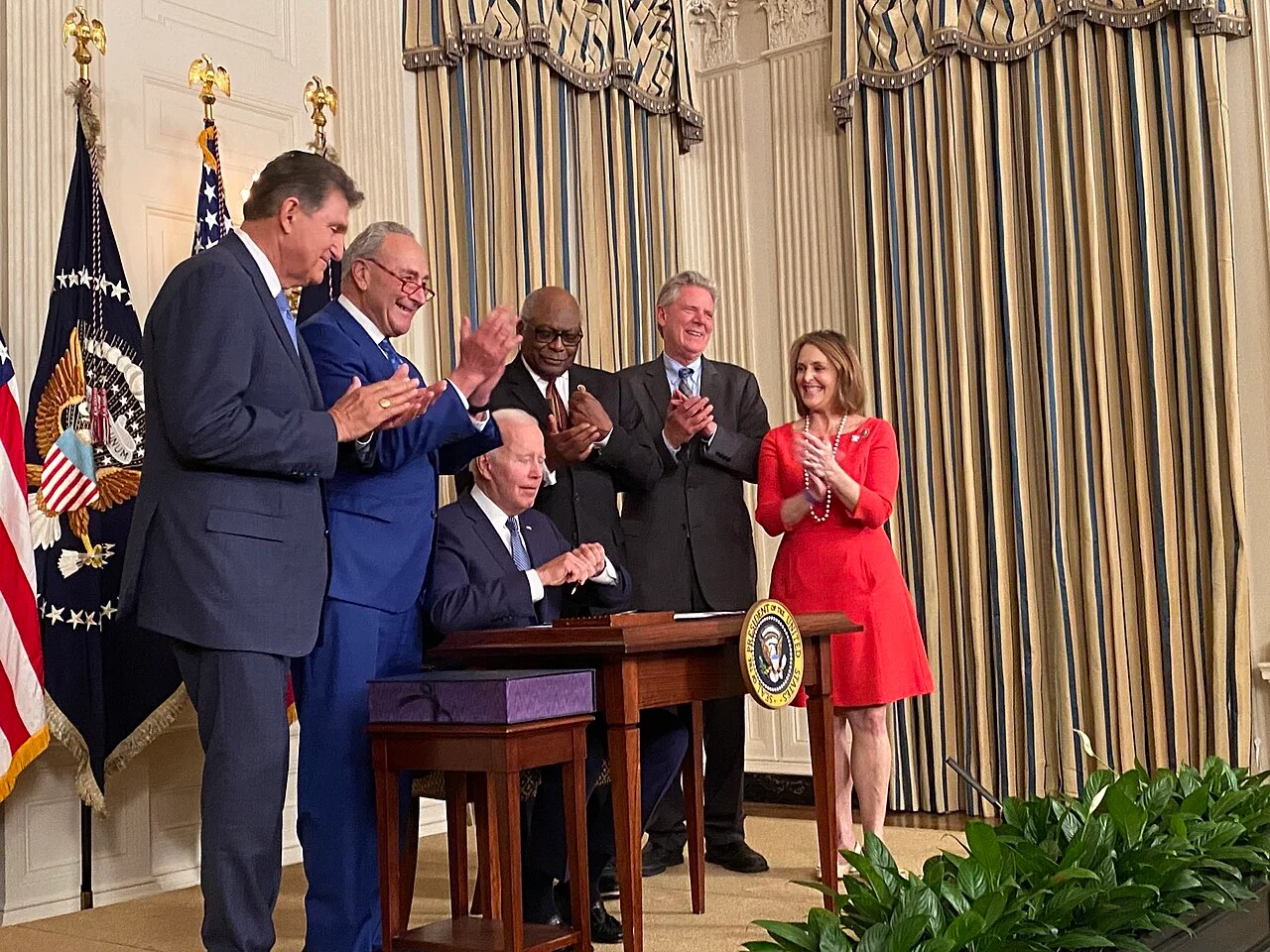
The Fifth Circuit’s Chance to Expose the Inflation Reduction Act’s Unconstitutionality
Despite the mounting evidence of harm, the Medicare Drug Price Negotiation Program remains law — and the Justice Department continues to defend it in federal court.


Get the Civitas Outlook daily digest, plus new research and events.