Can the President Declare a Trade ‘Emergency’? On the Supreme Court’s Tariff Case
Richard Epstein delves into one of the most consequential Constitutional questions of our time: can the president unilaterally impose tariffs under emergency powers? With the Supreme Court set to review Donald Trump’s use of the International Emergency Economic Powers Act (IEPA) to levy trade barriers, Epstein explains what the Constitution actually says about tariffs, how far Congress can delegate its authority, and why the doctrine of the “unitary executive” could reshape the balance between the legislative and executive branches. From Article I to Justice Taft’s 1928 tariff case, the discussion traces the fine line between lawful delegation and unconstitutional abdication—and what’s at stake for trade, separation of powers, and presidential authority.
The Libertarian
Trump’s Iran Gamble Is Backfiring
Richard Epstein weighs in on war, deterrence, and the limits of modern military strategy.

Elon Musk, Inequality, and the Politics of Envy
Richard Epstein takes on the growing obsession with billionaires, wealth taxes, and economic “justice,” arguing that making the rich poorer will not make the poor richer.
Constitutionalism
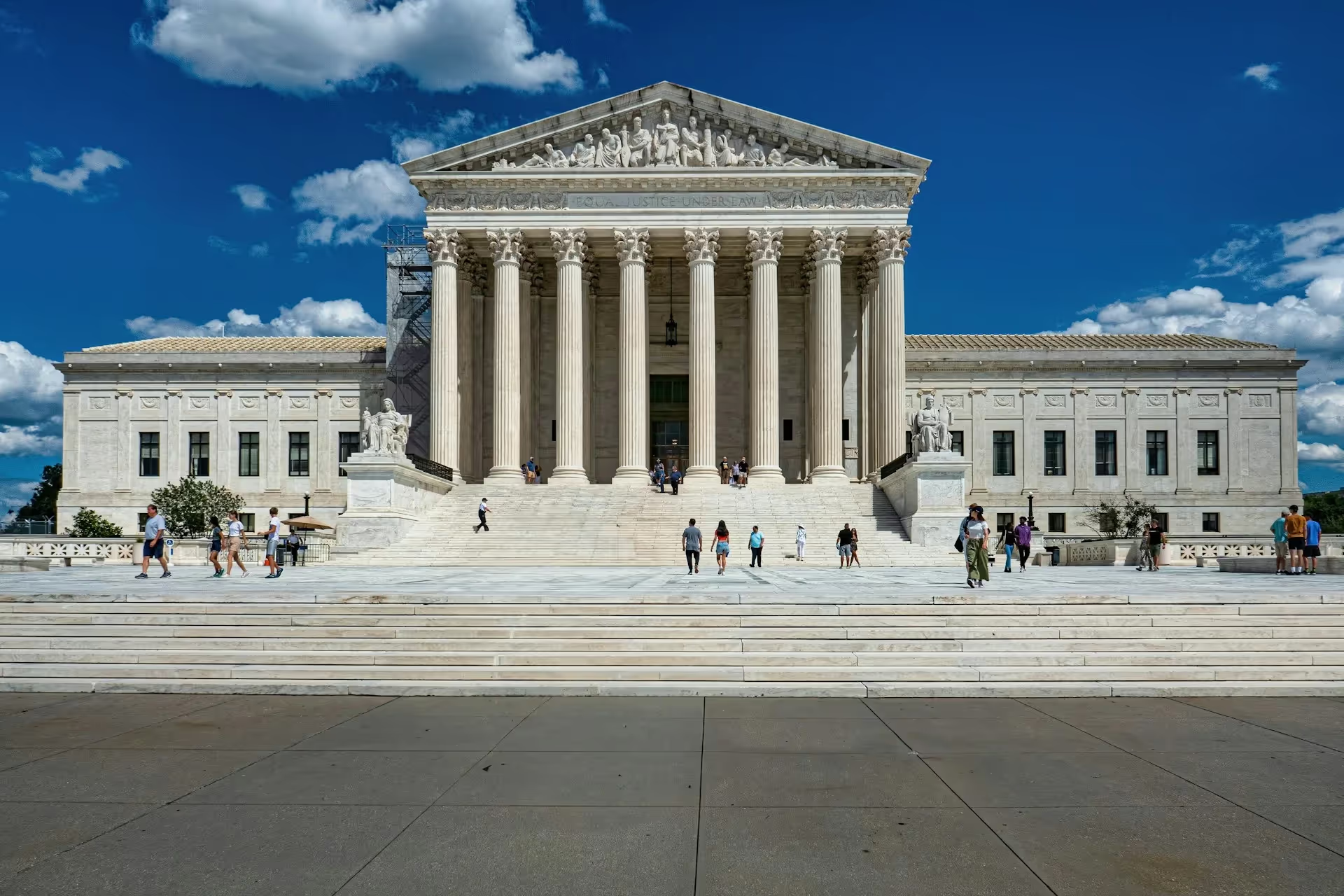
Amicus Brief: Hon. William P. Barr and Hon. Michael B. Mukasey in Support of Petitioners
Former AGs Barr and Mukasey Cite Civitas in a SCOTUS Brief

Rational Judicial Review: Constitutions as Power-sharing Agreements, Secession, and the Problem of Dred Scott
Judicial review and originalism serve as valuable commitment mechanisms to enforce future compliance with a political bargain.
.avif)







.png)
.png)
.png)
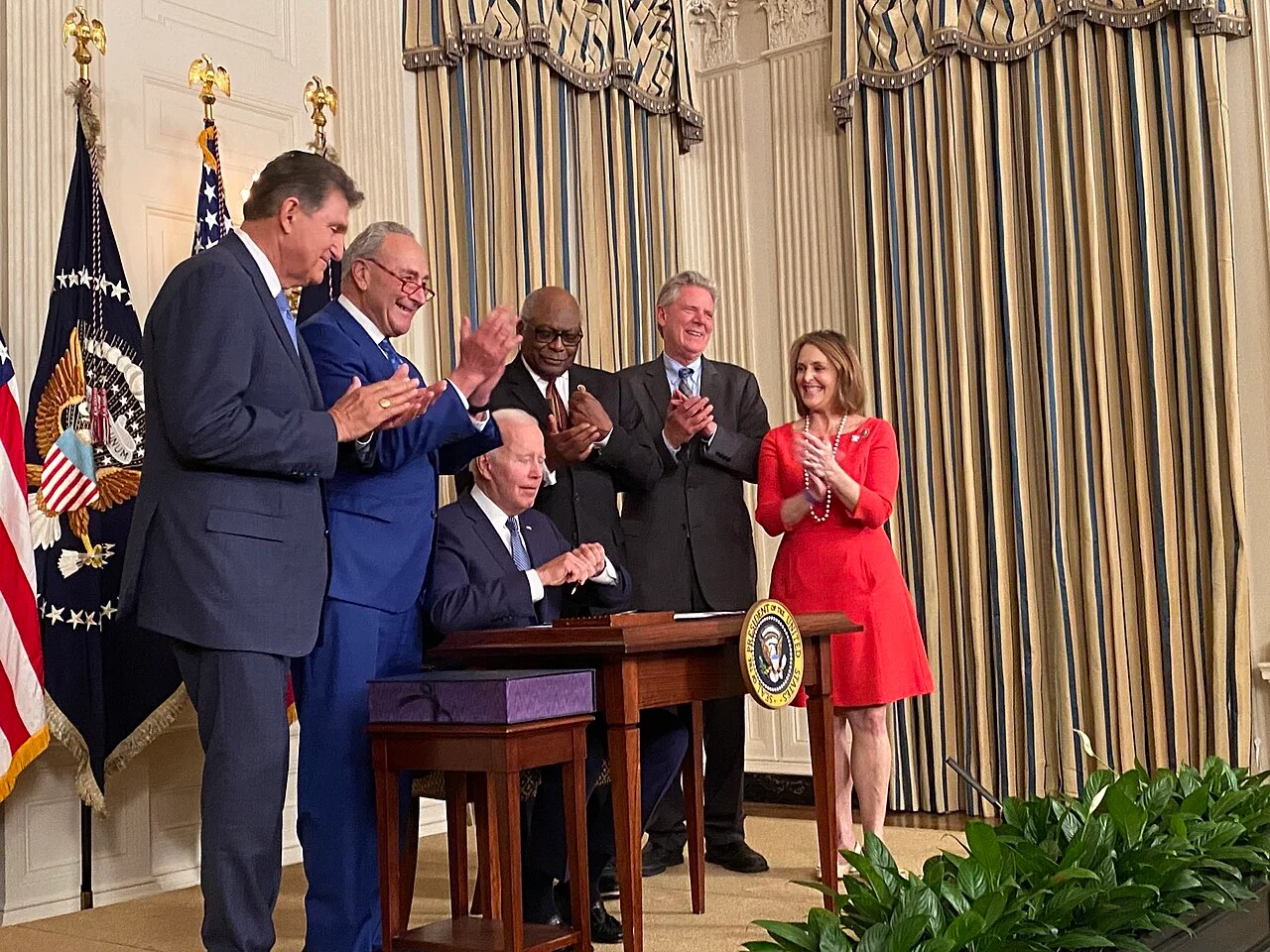
The Fifth Circuit’s Chance to Expose the Inflation Reduction Act’s Unconstitutionality
Despite the mounting evidence of harm, the Medicare Drug Price Negotiation Program remains law — and the Justice Department continues to defend it in federal court.



Get the Civitas Outlook daily digest, plus new research and events.