
The Latest AI Bill’s 5 Biggest Flaws

Any successful federal policy framework for AI should reflect an optimistic and light-touch approach to AI—not an approach that could burden entrepreneurship and hurt both consumers and innovators.
Senator Marsha Blackburn (R‑TN) has published a discussion draft of an AI bill that supposedly aims to codify President Trump’s vision for the nation to achieve AI dominance. She went so far as to title the bill, “TRUMP AMERICA AI Act.” But the truth is, this proposal represents a dramatically different approach that would heavily regulate the industry, hinder entrepreneurship, and restrict speech.
If such a proposal gains traction, it would represent a radical shift from the light-touch approach that the Trump administration’s AI Action Plan largely supports. The bill would instead insert the government into many aspects of regulating AI. (The AI Action Plan has been covered in previous work for those who wish to catch up on its core components.) The proposal isn’t the light-touch, pro-innovation approach that seeks to make America’s tech sector the leader in this global market but a kitchen sink of internet and AI regulation that could create more problems than it solves at a critical moment.
At 291 pages, the draft intends to cover what some have labeled the four Cs of AI policy: children, creators, conservatives, and communities. It includes the Kids Online Safety Act (KOSA) and NO FAKES Act in addition to myriad AI-specific provisions. Cato has covered many of these elements in the past. For example, Jennifer has written extensively on the concerns around speech and privacy in KOSA. And David Inserra has addressed the importance of a light-touch approach to AI governance when it comes to free expression, covering some of the issues implicated by the NO FAKES Act.
Analysis of the new and AI-specific aspects of the draft reveal that it is a poor path forward if the United States is going to lead on AI. While a few specific elements of the Trump administration’s AI Action Plan raise their own concerns, Senator Blackburn’s proposal would significantly shift the US away from the light-touch regulatory approach that has traditionally allowed it to flourish as a global leader in new technologies.

Politics
%20Richard%20Samuelson%20%20-%20Is%20American%20Nationalism%20Still%20Creed-able_-1.jpg)
Is American Nationalism Still Creed-able?
We are not there now, but there is reason to worry that the United States is in danger, if we are not careful, of ceasing to be a nation with the principles of 1776 at its core.
National Civitas Institute Poll: Americans are Anxious and Frustrated, Creating a Challenging Environment for Leaders
The poll reveals a deeply pessimistic American electorate, with a majority convinced the nation is on the wrong track.
.webp)
%20(1).avif)

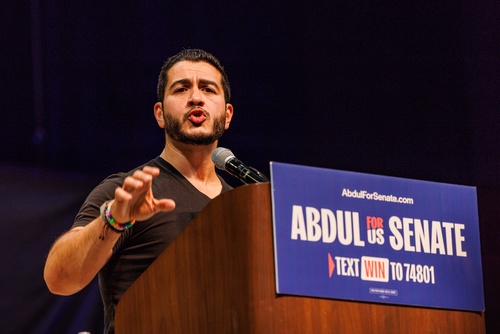
The Democrats Are a Menace to America’s Jews
Abdul El-Sayed’s victory in Michigan’s Democratic primary is an ominous sign.
The G7 Is Failing To Address Global Imbalances
The G7 was not created to issue an endless procession of carefully calibrated communiqués.


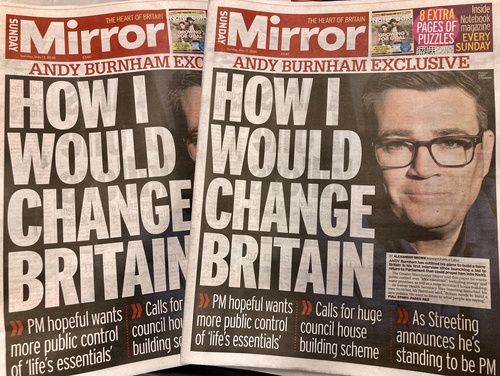
Can Britain’s Next Prime Minister Escape the Net Zero Trap?
Britain has burned through five Prime Ministers and is paying some of the highest electricity prices in the world.
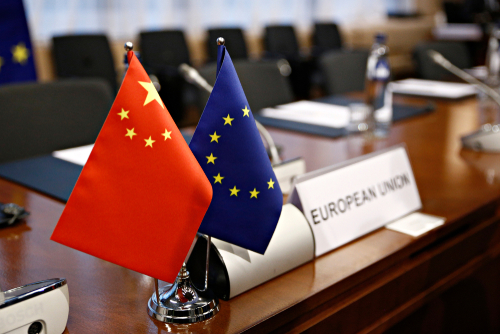
The Scanner at the Gate: Europe’s China Policy Litmus Test
China’s industrial policy is entering Europe through public procurement—and reshaping sensitive markets from within.
Confronting the New Antisemitism
"The postwar effort 'to rebrand Judaism as a religion' has made it impossible for American Jews to understand what they are facing today, because what we are facing today is an attack on the idea of Jewish peoplehood.”
“Democratic” Socialism Is Undemocratic
By promoting class hatred, suppressing private initiative, and seeking enhanced control of our lives, today’s democratic socialists undermine patriotism and individual initiative—two qualities that have long distinguished the United States from other major nations.

