
National Civitas Institute Poll: Americans are Anxious and Frustrated, Creating a Challenging Environment for Leaders
The poll reveals a deeply pessimistic American electorate, with a majority convinced the nation is on the wrong track.
Key Findings of the Civitas Institute Poll, Winter 2025
Overview: A Nation Defined by Pessimism and Economic Anxiety
The Winter 2025 University of Texas at Austin Civitas Poll reveals a deeply pessimistic American electorate, with a majority convinced the nation is on the wrong track. This sentiment is not abstract; it is anchored in tangible economic concerns, particularly the high cost of living, which dominate voter priorities. This widespread anxiety is compounded by a profound lack of faith in the country's core political institutions and leaders. This summary distills the poll's core findings on the national mood, the electorate's top priorities, and the pervasive erosion of institutional trust that defines the current political landscape. The survey's most critical, high-level takeaways establish the strategic environment:
● Widespread Pessimism Creates a Perilous Environment for Incumbents: The dominant national mood is one of discontent, with a 56% majority believing the country is on the “wrong track,” versus just 32% who feel it is headed in the “right direction.” This level of dissatisfaction makes any status quo argument untenable and creates a fertile ground for change-oriented messaging.
● Economic Urgency Defines the Political Battleground: Kitchen-table economic issues overwhelmingly eclipse all other concerns. Inflation and high prices are the undisputed top priority (72% “extremely important”), establishing the central theme for any successful political communication. Any message not centered on alleviating this financial pressure is likely to be perceived as disconnected from the public's reality.
● Institutional Collapse Fuels Public Disaffection: Confidence in core governing bodies has cratered. The U.S. Congress, the federal bureaucracy, and the news media all face deeply negative public sentiment. This is coupled with significant dissatisfaction with the fundamental functioning of American democracy itself, creating a crisis of legitimacy.
This memo provides a more detailed examination of these interconnected themes, beginning with a closer look at the national mood and the specific issues driving public concern.
The National Mood and Dominant Voter Priorities
An electorate's mood and priorities are the foundational metrics upon which all successful political strategies are built. The UT Civitas Poll reveals a landscape dominated by deep-seated dissatisfaction with the nation's trajectory and an intense focus on unresolved domestic problems.
The most direct measure of the national mood finds 56% of U.S. adults believe the country is “off in the wrong direction,” a figure that dwarfs the 32% who feel it is “headed in the right direction.” This pessimism extends to the political system itself, with a 46% plurality rating the functioning of American democracy as poor to terrible, while only a third (33%) view it positively.
The poll's issue matrix reveals an electorate overwhelmingly preoccupied with foundational security: personal economic security (inflation, Social Security, taxes), health security (healthcare), and physical security (crime). Almost three-quarters (72%) rated inflation and high prices as “extremely important,” followed by health care (69%), Social Security (63%), crime and public safety (58%), and taxes (56%).
The intense focus on these top-tier economic and safety issues stands in stark contrast to the lower priority assigned to other prominent topics that often dominate public discourse. For instance, the Israel-Hamas conflict (24% “extremely important”), the Russia-Ukraine conflict (21%), climate change (37%), and abortion rights (37%) are rated as significantly less urgent by the public.
When the public is intensely focused on unresolved domestic problems, its frustration inevitably projects onto the institutions they hold responsible for the lack of solutions.
Erosion of Trust in Institutions and Political Parties
The poll reveals a crisis of confidence that extends beyond the country's general direction to the very institutions and parties responsible for governing. Americans view key federal bodies with overwhelming skepticism and believe that the two major political parties are fundamentally failing to represent their interests.
The favorability ratings for federal institutions are starkly negative. The U.S. Congress is viewed favorably by only 21% of the public, while 51% hold an unfavorable view. The federal bureaucracy fares even worse, with just 18% favorable versus 49% unfavorable. This deep-seated skepticism also applies to the news media, which is seen favorably by only 23% of Americans, compared to 46% who view it unfavorably.
This collapse in institutional confidence extends directly to the two major political parties. A significant 61% of Americans are either “extremely” or “very” concerned that the Democratic and Republican parties are not properly representing the American people. This concern is rooted in a belief that both parties are disconnected from public priorities. On the top issue of inflation, majorities believe both the Republican Party (64%) and the Democratic Party (60%) are “out of step” with the American public. Indeed, across most major issues, a majority of the public sees both parties as out of step. The only exceptions are “border security,” where Republicans are seen as “in-step” by a 54% majority, and “health care,” where Democrats are seen as “in-step” by a 52% majority. These single points of credibility represent the only stable pillars of each party's brand identity in a sea of public disapproval and are likely to be the default battlegrounds where each party feels most confident.
This profound dissatisfaction with the performance of both institutions and parties helps explain the public's conflicting views on leadership and political reform.
Leadership, Reform, and Populist Undercurrents
This poll reveals a core paradox of the Winter 2025 electorate: a simultaneous desire for experienced leadership and a deep-seated conviction that the system those leaders manage is failing them. Voters are seeking a steady hand to fix a machine they believe is fundamentally broken, a contradictory impulse that complicates messaging for both establishment and outsider candidates.
When asked what the country needs right now, the public shows a clear preference for leaders with experience who can get things done (47%) over outsiders who want to bring change (28%). Yet, this desire for experienced hands does not signal satisfaction with the status quo. Nearly half the country (47%) agrees with the statement that “the system is stacked against people like me,” indicating a deep-seated frustration. This dissatisfaction is reflected in the assessments of potential presidential candidates, none of whom receive a broadly positive assessment; all listed figures earn high percentages of “F” grades from the public.
These findings also uncover complex and sometimes contradictory populist sentiments. A solid majority (61%) still believes that democracy, despite its problems, is the best system of government. However, this foundational belief coexists with more radical frustrations. A notable 24% of Americans agree with the statement, “When I think about our political and social institutions, I cannot help thinking ‘just let them all burn.’” Furthermore, 19% agree that to save the nation, “we need leaders who break the rules.”
These findings describe an electorate that desires experience but is profoundly frustrated with how the current system is performing, setting the stage for a volatile political environment.
Conclusion: An Anxious Electorate Seeking Stability
The Winter 2025 Civitas Poll depicts an American public that is predominantly pessimistic, anxious about core economic issues, and profoundly distrustful of its political system. The central challenge for any political actor in this environment is clear: they must project experienced competence while simultaneously channeling profound public frustration. The path to victory is narrow, requiring a laser-focus on alleviating household economic pain. Without tangible progress on this front, no attempt to rebuild institutional trust can succeed, and the electorate's populist anger will remain a volatile and unpredictable force. The electorate is not seeking radical disruption for its own sake; it is demanding stability and results from a system it no longer trusts to deliver either.
Methodology
From December 12-22, 2025, YouGov interviewed 1,257 registered voters who were then matched down to a sample of 1,200 to produce the final dataset. The respondents were matched to a sampling frame on gender, age, race, and education. The sampling frame is a politically representative "modeled frame" of U.S. registered voters, based upon the American Community Survey (ACS) public use microdata file, public voter file records, the 2023 Current Population Survey (CPS) Voting and Registration supplements, the 2024 National Election Pool (NEP) exit poll, and the 2024 CES surveys, including demographics and 2024 presidential vote.
The matched cases were weighted to the sampling frame using propensity scores. The matched cases and the frame were combined and a logistic regression was estimated for inclusion in the frame. The propensity score function included age, gender, race/ethnicity, years of education, and region. The propensity scores were grouped into deciles of the estimated propensity score in the frame and post-stratified according to these deciles.
The weights were then post-stratified on Party ID, 2024 presidential vote choice, followed by a four-way stratification of gender, age (4-categories), race (4-categories), and education (4-categories), to produce the final weight.
YouGov surveys are not probability samples, and therefore one cannot technically impute a margin of error. If one assumes that the sample approximates a probability sample on the matched variables, an estimated margin of error can be calculated. For a national sample of 1,200, this estimated margin of error (MoE) is approximately +/- 3.0 percentage points. The estimated MoE will be larger for sub-groups.
See the Full Poll Results
Download the full poll data here.

Politics
%20Richard%20Samuelson%20%20-%20Is%20American%20Nationalism%20Still%20Creed-able_-1.jpg)
Is American Nationalism Still Creed-able?
We are not there now, but there is reason to worry that the United States is in danger, if we are not careful, of ceasing to be a nation with the principles of 1776 at its core.
.webp)
Liberal Democracy Reexamined: Leo Strauss on Alexis de Tocqueville
This article explores Leo Strauss’s thoughts on Alexis de Tocqueville in his 1954 “Natural Right” course transcript.
%20(1).avif)
Long Distance Migration as a Two-Step Sorting Process: The Resettlement of Californians in Texas
Here we press the question of whether the well-documented stream of migrants relocating from California to Texas has been sufficient to alter the political complexion of the destination state.
%20(3).avif)
Who's That Knocking? A Study of the Strategic Choices Facing Large-Scale Grassroots Canvassing Efforts
Although there is a consensus that personalized forms of campaign outreach are more likely to be effective at either mobilizing or even persuading voters, there remains uncertainty about how campaigns should implement get-out-the-vote (GOTV) programs, especially at a truly expansive scale.


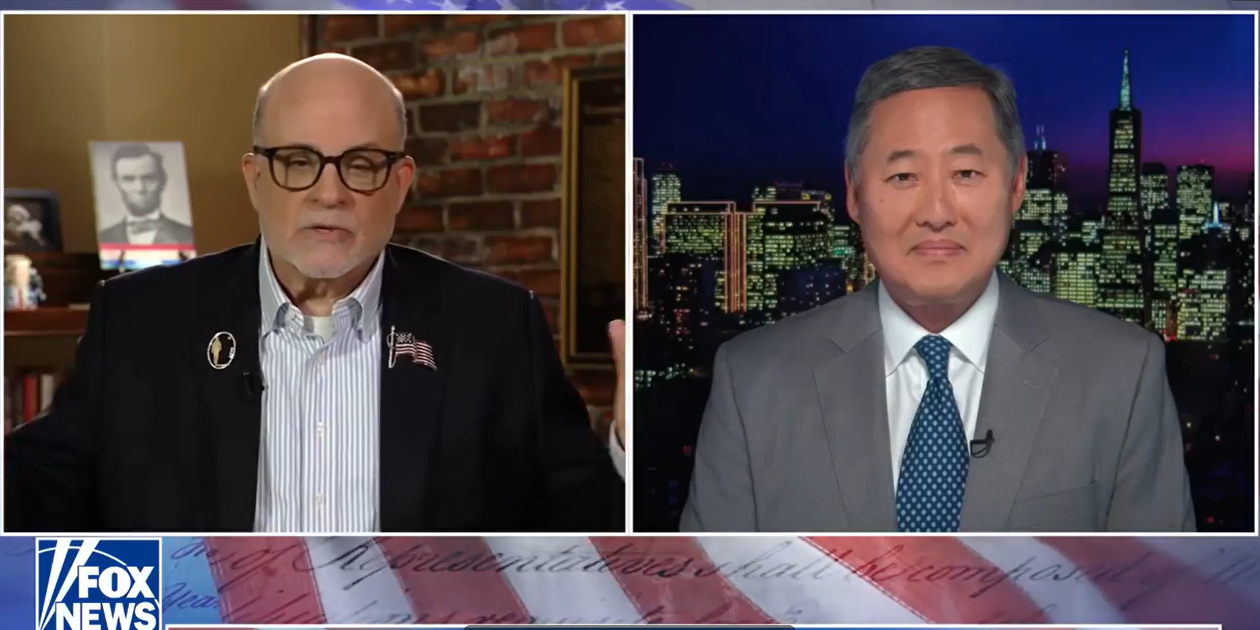
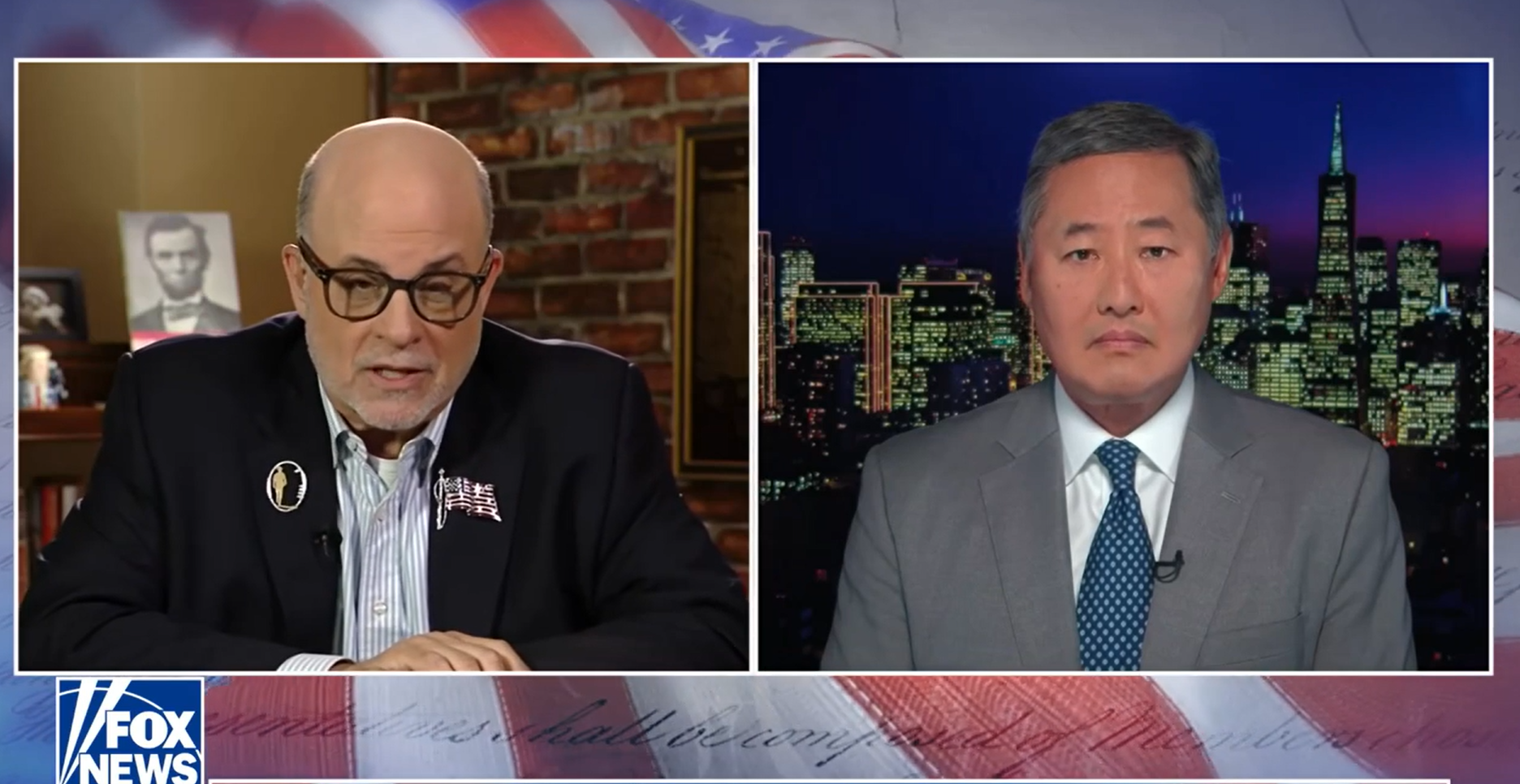
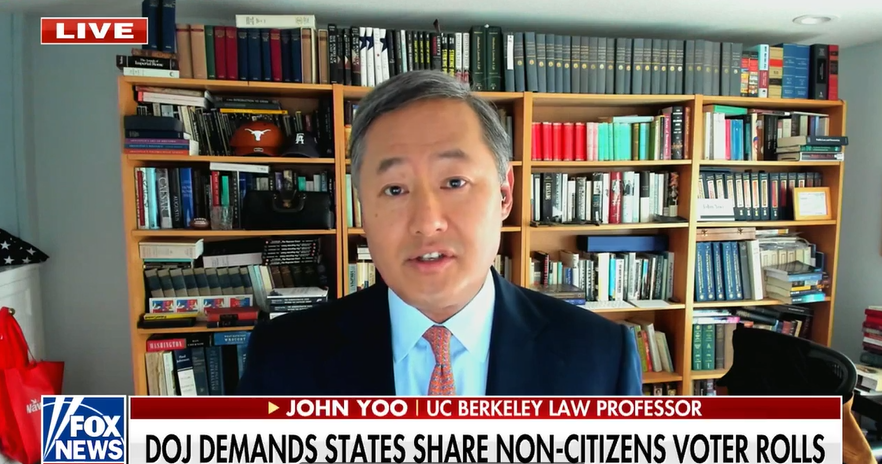


Confronting the New Antisemitism
"The postwar effort 'to rebrand Judaism as a religion' has made it impossible for American Jews to understand what they are facing today, because what we are facing today is an attack on the idea of Jewish peoplehood.”
“Democratic” Socialism Is Undemocratic
By promoting class hatred, suppressing private initiative, and seeking enhanced control of our lives, today’s democratic socialists undermine patriotism and individual initiative—two qualities that have long distinguished the United States from other major nations.