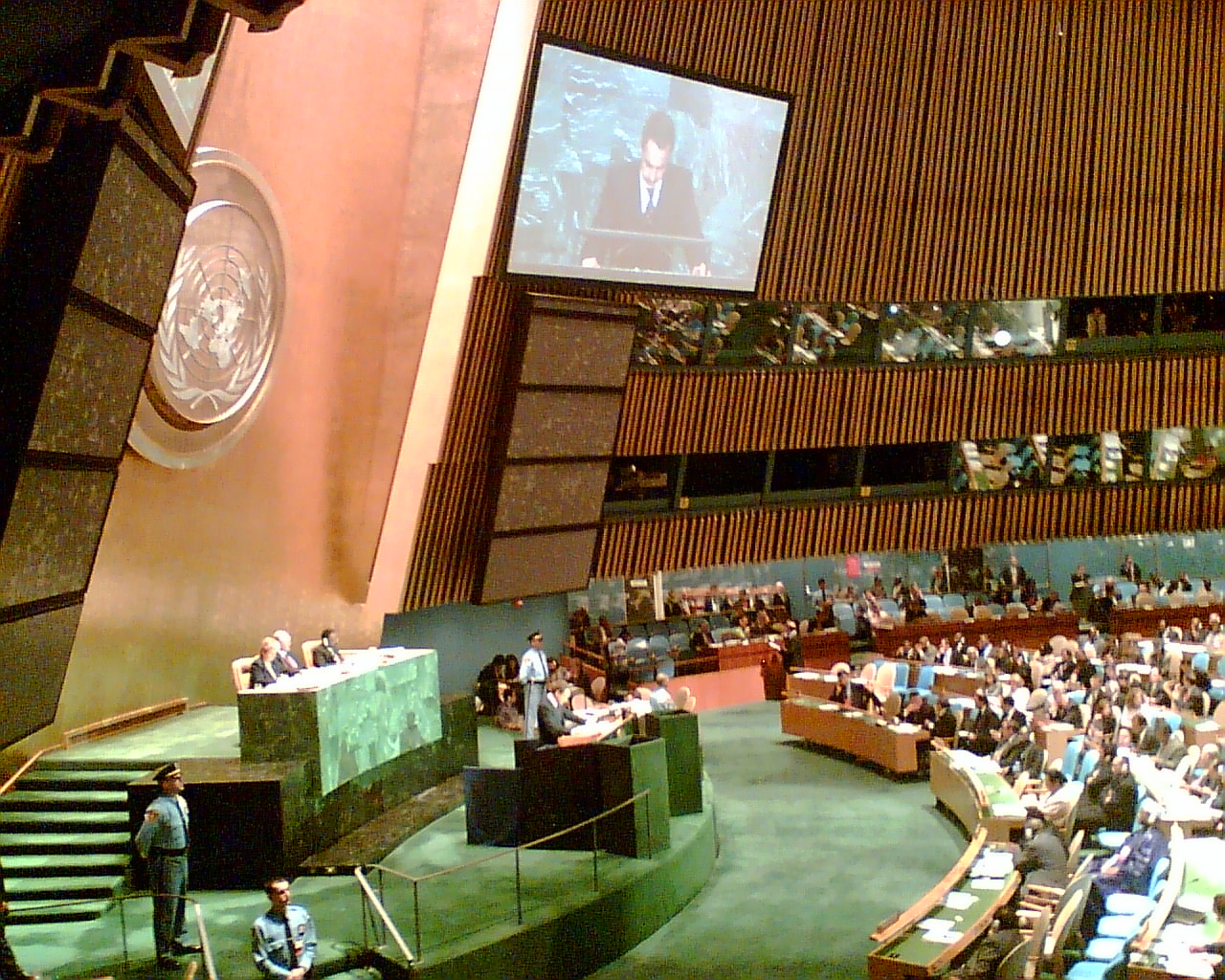
International Law Is Holding Democracies Back

The United States should use this moment to argue for a different approach to the rules of war.
In the early hours of January 3, the United States armed forces executed an astounding operation. American air, land, and sea units destroyed Venezuela’s air defenses, sent in Special Forces that took out President Nicolás Maduro’s security team, and brought the dictator and his wife back to the U.S. for trial. But rather than applaud the removal of an illegitimate dictator and his wife, many foreign leaders quickly condemned the snatch-and-grab.
If critics correctly argue that the attack on Venezuela violates international law, they have unintentionally revealed that international law—not the United States—must change. Removing Maduro was just: The dictatorship has killed tens, if not hundreds of thousands, of Venezuelans, destroyed the country’s economy, and denied the electoral wishes of the Venezuelan people for new leadership. But international law did nothing about this crisis, and countenanced no solution. Because it prevents Western democracies from using force to preempt grave threats from disruptive nations, such as Venezuela or Iran, while posing little obstacle to the designs of our rivals in Beijing or Moscow, international law no longer serves as an instrument of global stability. The United States must lead an effort to reform it to allow more stability-enhancing interventions in the new era of great-power competition that we are entering.
Read the full article at The Atlantic.

Politics
%20Richard%20Samuelson%20%20-%20Is%20American%20Nationalism%20Still%20Creed-able_-1.jpg)
Is American Nationalism Still Creed-able?
We are not there now, but there is reason to worry that the United States is in danger, if we are not careful, of ceasing to be a nation with the principles of 1776 at its core.
National Civitas Institute Poll: Americans are Anxious and Frustrated, Creating a Challenging Environment for Leaders
The poll reveals a deeply pessimistic American electorate, with a majority convinced the nation is on the wrong track.
.webp)
%20(1).avif)


.jpg)


Can Britain’s Next Prime Minister Escape the Net Zero Trap?
Britain has burned through five Prime Ministers and is paying some of the highest electricity prices in the world.
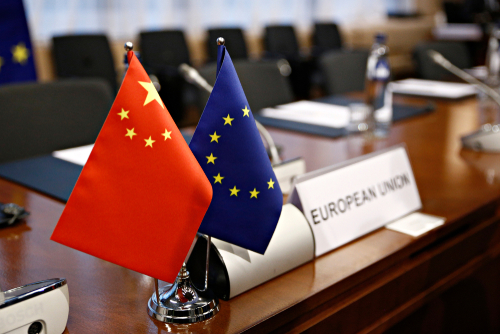
The Scanner at the Gate: Europe’s China Policy Litmus Test
China’s industrial policy is entering Europe through public procurement—and reshaping sensitive markets from within.

Confronting the New Antisemitism
"The postwar effort 'to rebrand Judaism as a religion' has made it impossible for American Jews to understand what they are facing today, because what we are facing today is an attack on the idea of Jewish peoplehood.”
“Democratic” Socialism Is Undemocratic
By promoting class hatred, suppressing private initiative, and seeking enhanced control of our lives, today’s democratic socialists undermine patriotism and individual initiative—two qualities that have long distinguished the United States from other major nations.

