
The Left’s War on the Supreme Court Just Hit a Terrifying New Low

Three breaches of confidential deliberations in four years mark an unprecedented escalation against the judiciary.
Last week, The New York Times divulged a fresh trove of confidential internal memoranda between the Supreme Court justices. The documents allegedly show that Chief Justice John Roberts and his conservative colleagues have abused the Court’s technical procedures to block the agenda of Democratic presidents and to favor Republicans. While this accusation can only succeed by ignoring the broader context of the Court’s work, it heralds the latest progressive attack on the Court as a stabilizing institution in our national politics.
In February 2016, the Court temporarily blocked the Obama administration from enforcing its "Clean Power Plan." While the Court would eventually strike down the grand plan to rewire America’s energy grid when it reappeared in its Biden guise, in February 2016 the justices only issued an emergency stay to freeze the government plan before lower courts could rule.
The order, which prompted dissenting votes from the liberal justices, garnered little attention at the time but allegedly marked the birth of the "shadow docket." Using this new procedure, the Court now intervenes quickly to issue emergency orders that can halt executive action before lower court review, which can effectively stop liberal presidents’ agendas in their tracks.
The New York Times alleges that secret memos show this 2016 decision came about not because of concerns over the Obama administration’s abuse of power, but because of Chief Justice Roberts’ campaign against a liberal president. The report claims that Roberts "acted as a bulldozer in pushing to stop Mr. Obama’s plan to address the global climate crisis" and that the memos show the chief justice to be "angry" and "irritated" with the government.

Politics
%20Richard%20Samuelson%20%20-%20Is%20American%20Nationalism%20Still%20Creed-able_-1.jpg)
Is American Nationalism Still Creed-able?
We are not there now, but there is reason to worry that the United States is in danger, if we are not careful, of ceasing to be a nation with the principles of 1776 at its core.
National Civitas Institute Poll: Americans are Anxious and Frustrated, Creating a Challenging Environment for Leaders
The poll reveals a deeply pessimistic American electorate, with a majority convinced the nation is on the wrong track.
.webp)
%20(1).avif)

.jpg)
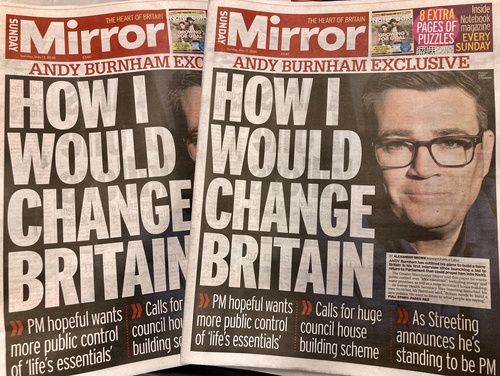
Can Britain’s Next Prime Minister Escape the Net Zero Trap?
Britain has burned through five Prime Ministers and is paying some of the highest electricity prices in the world.

The Scanner at the Gate: Europe’s China Policy Litmus Test
China’s industrial policy is entering Europe through public procurement—and reshaping sensitive markets from within.
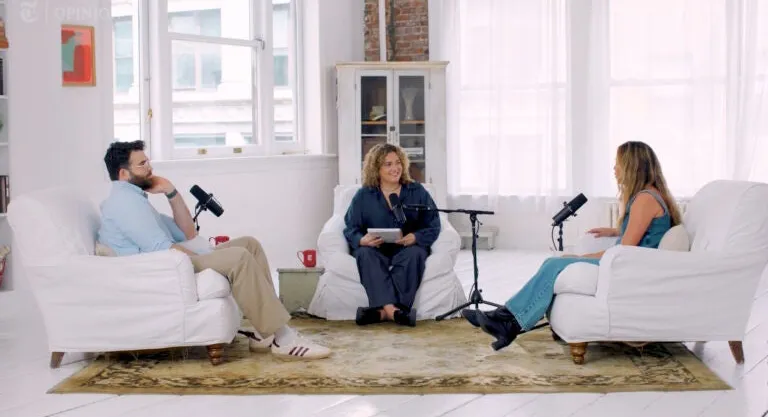
Confronting the New Antisemitism
"The postwar effort 'to rebrand Judaism as a religion' has made it impossible for American Jews to understand what they are facing today, because what we are facing today is an attack on the idea of Jewish peoplehood.”
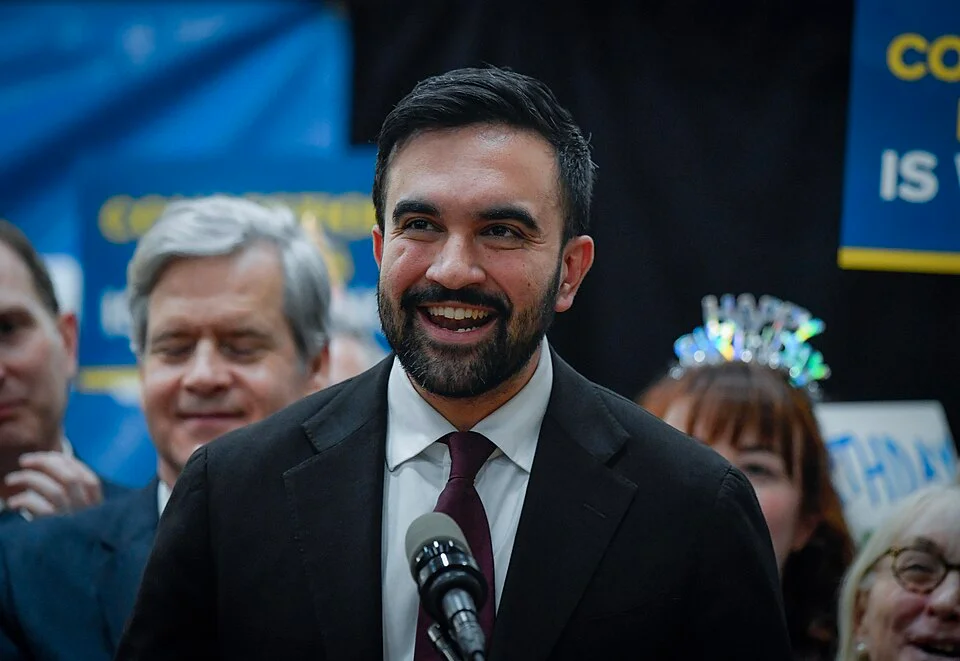
“Democratic” Socialism Is Undemocratic
By promoting class hatred, suppressing private initiative, and seeking enhanced control of our lives, today’s democratic socialists undermine patriotism and individual initiative—two qualities that have long distinguished the United States from other major nations.

