California is Sacrificing its Economic Future on the Altar of Climate Change


As the nation becomes energy self-sufficient, California is now leading the way in sacrificing its economy on the altar of radical climate change ideology.
California has long been America’s trendsetter. But even as the nation becomes energy self-sufficient, California is now leading the way in sacrificing its economy on the altar of radical climate change ideology.
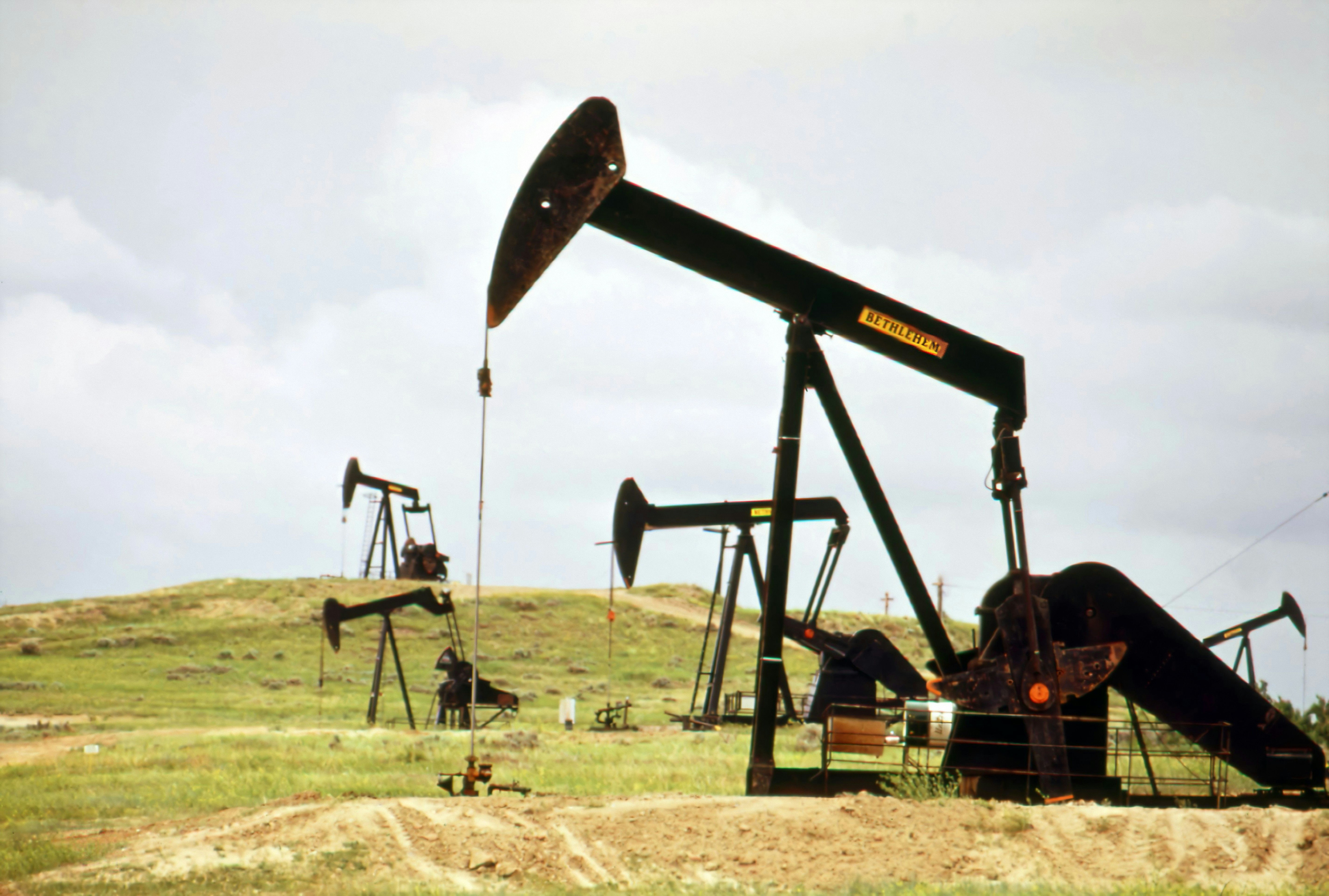
Once a leading oil producer, the state now imports roughly 75% of its crude. Last year, about a third of California’s energy imports came from the Middle East, up 22% from 2024.
California is moving counter to one of this century’s most important economic and national security developments: the return of American energy independence. A major energy importer as recently as 2005, the U.S. is now an energy export powerhouse. The United States now produces the most oil and gas in the world – roughly 40 percent more per year than either Russia (number 2) or Saudi Arabia (number 3).
The U.S. has ridden the shale revolution and pro-energy policies to become the world’s top producer of oil and natural gas. The dramatic increase in domestic oil and gas supply has kept a lid on consumer inflation, as everything from lipstick and shampoo to swimsuits and household cleaners is made with petroleum products.
Affordable energy saved U.S. consumers $800 billion annually from 2011 to 2024, according to energy research consultants Thunder Said Energy (TSE). Even with the recent run-up in gas prices, Americans are still paying more than a dollar less per gallon at the pump than they were in 2011 and 2012 after adjusting for inflation.
Energy dominance has largely insulated the American economy from the direct fallout of the Iran conflict.
California, not.
The Iran war has caused a greater energy price spike in the Golden State than in any other. Gas is hovering close to $6 a gallon, about $2 higher than the national average. Diesel has surged to a record $7.75 a gallon, and jet fuel prices in Los Angeles, a major airline hub, have jumped nearly 50%.
California’s energy squeeze is no accident. It’s the predictable outcome of anti-energy policies that have hollowed out the state’s refining capacity and throttled production.

Politics
%20Richard%20Samuelson%20%20-%20Is%20American%20Nationalism%20Still%20Creed-able_-1.jpg)
Is American Nationalism Still Creed-able?
We are not there now, but there is reason to worry that the United States is in danger, if we are not careful, of ceasing to be a nation with the principles of 1776 at its core.

National Civitas Institute Poll: Americans are Anxious and Frustrated, Creating a Challenging Environment for Leaders
The poll reveals a deeply pessimistic American electorate, with a majority convinced the nation is on the wrong track.
.webp)
%20(1).avif)


.jpg)





Can Britain’s Next Prime Minister Escape the Net Zero Trap?
Britain has burned through five Prime Ministers and is paying some of the highest electricity prices in the world.

The Scanner at the Gate: Europe’s China Policy Litmus Test
China’s industrial policy is entering Europe through public procurement—and reshaping sensitive markets from within.

Confronting the New Antisemitism
"The postwar effort 'to rebrand Judaism as a religion' has made it impossible for American Jews to understand what they are facing today, because what we are facing today is an attack on the idea of Jewish peoplehood.”

“Democratic” Socialism Is Undemocratic
By promoting class hatred, suppressing private initiative, and seeking enhanced control of our lives, today’s democratic socialists undermine patriotism and individual initiative—two qualities that have long distinguished the United States from other major nations.

