SCOTUS Decision Day, Part 1: Geofencing, Mail Ballots, and the Administrative State
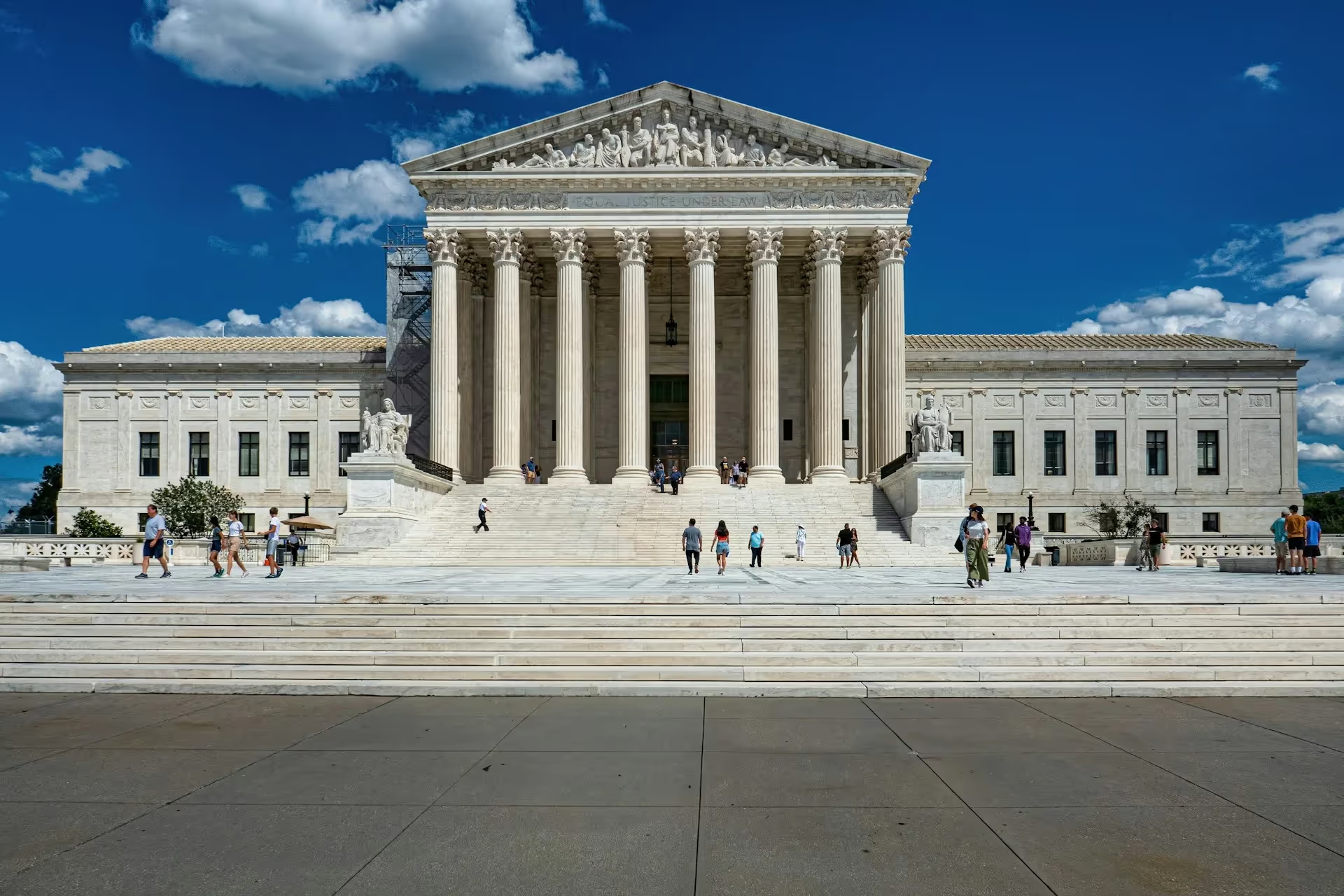
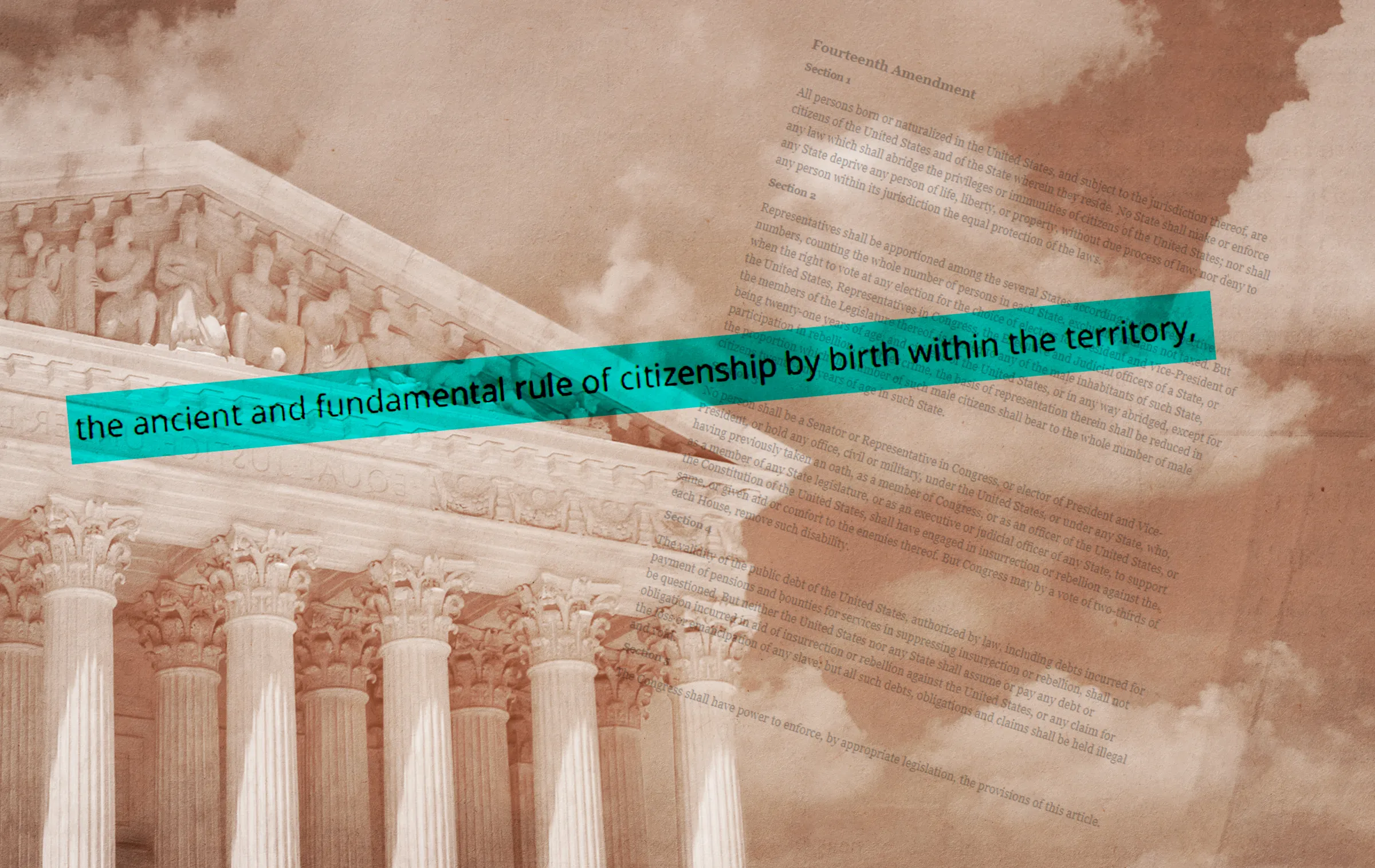
In part one of our Supreme Court decisions coverage, Charles C. W. Cooke, Richard Epstein, and John Yoo break down the decisions handed down today, beginning with the Court’s treatment of presidential removal power in Trump v. Slaughter and Trump v. Cook (no relation) —the first apparently overruling Humphrey’s Executor for ordinary agencies, the second preserving a major carveout for the Federal Reserve. They also debate Chatrie v. United States, a Fourth Amendment case involving law enforcement’s use of geofencing warrants and cellphone location data, and close with Watson v. Republican National Committee, in which Justice Amy Coney Barrett held that states may count mail-in ballots received after Election Day unless Congress clearly says otherwise. Along the way, the hosts argue over the administrative state, judicial independence, election integrity, and whether the Roberts Court is as predictable—or as partisan—as its critics claim. Part two will be on Thursday, with a decision expected on (cue dramatic music)…birthright citizenship!
Law Talk
Law Talk’s 2025 Supreme Court Recap
Richard Epstein, John Yoo, and Charles C.W. Cooke unpack one of the most consequential Supreme Court terms in recent memory.
Trump v. Everyone: War on Drugs, War on Courts, War on the Fed
A new episode of Law Talk featuring Richard Epstein, John Yoo, and Charles C.W. Cooke.
Constitutionalism
Amicus Brief: Hon. William P. Barr and Hon. Michael B. Mukasey in Support of Petitioners
Former AGs Barr and Mukasey Cite Civitas in a SCOTUS Brief
Rational Judicial Review: Constitutions as Power-sharing Agreements, Secession, and the Problem of Dred Scott
Judicial review and originalism serve as valuable commitment mechanisms to enforce future compliance with a political bargain.
.avif)


.png)
.png)
.png)
.png)
.png)
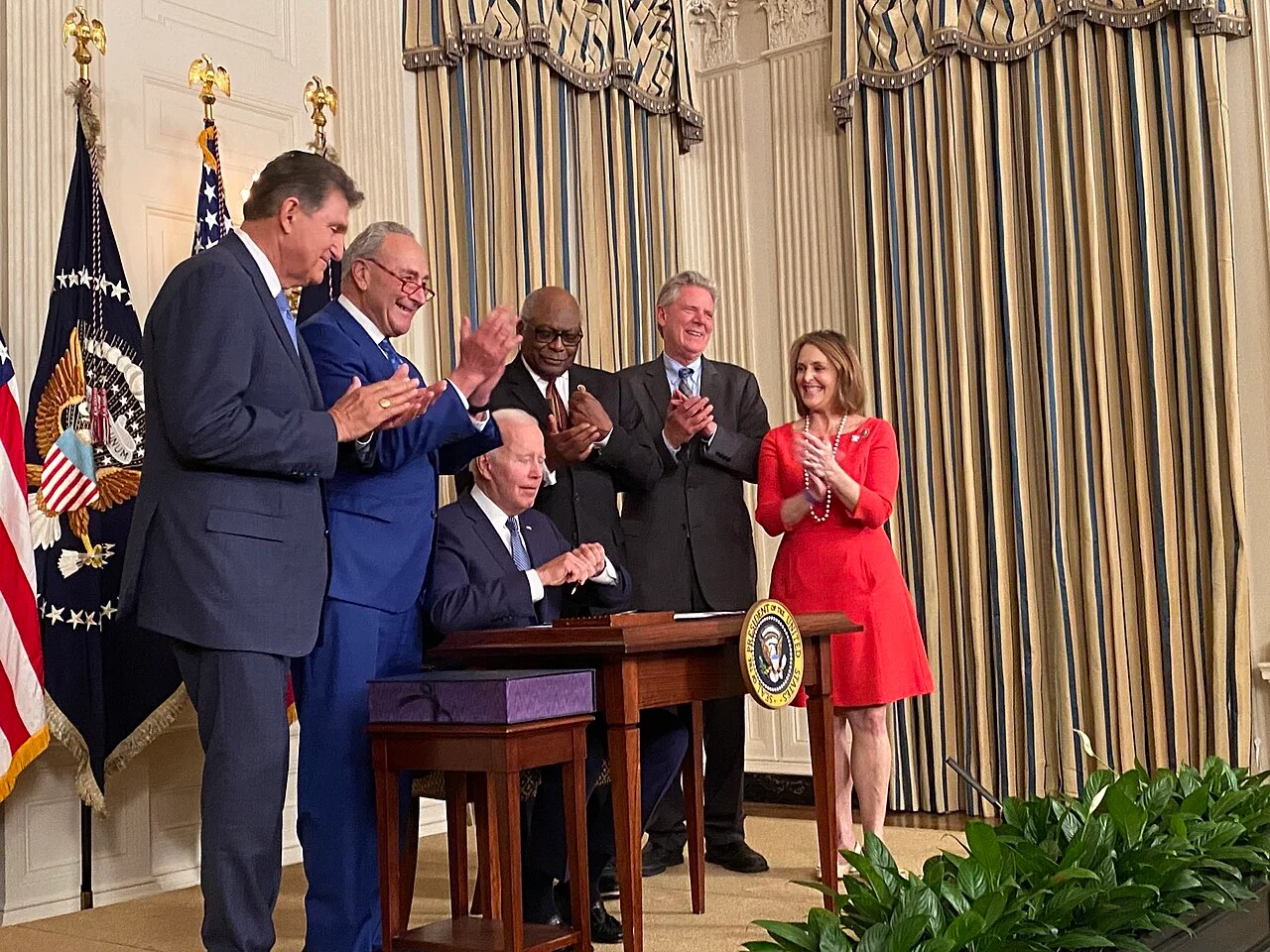
The Fifth Circuit’s Chance to Expose the Inflation Reduction Act’s Unconstitutionality
Despite the mounting evidence of harm, the Medicare Drug Price Negotiation Program remains law — and the Justice Department continues to defend it in federal court.


Get the Civitas Outlook daily digest, plus new research and events.