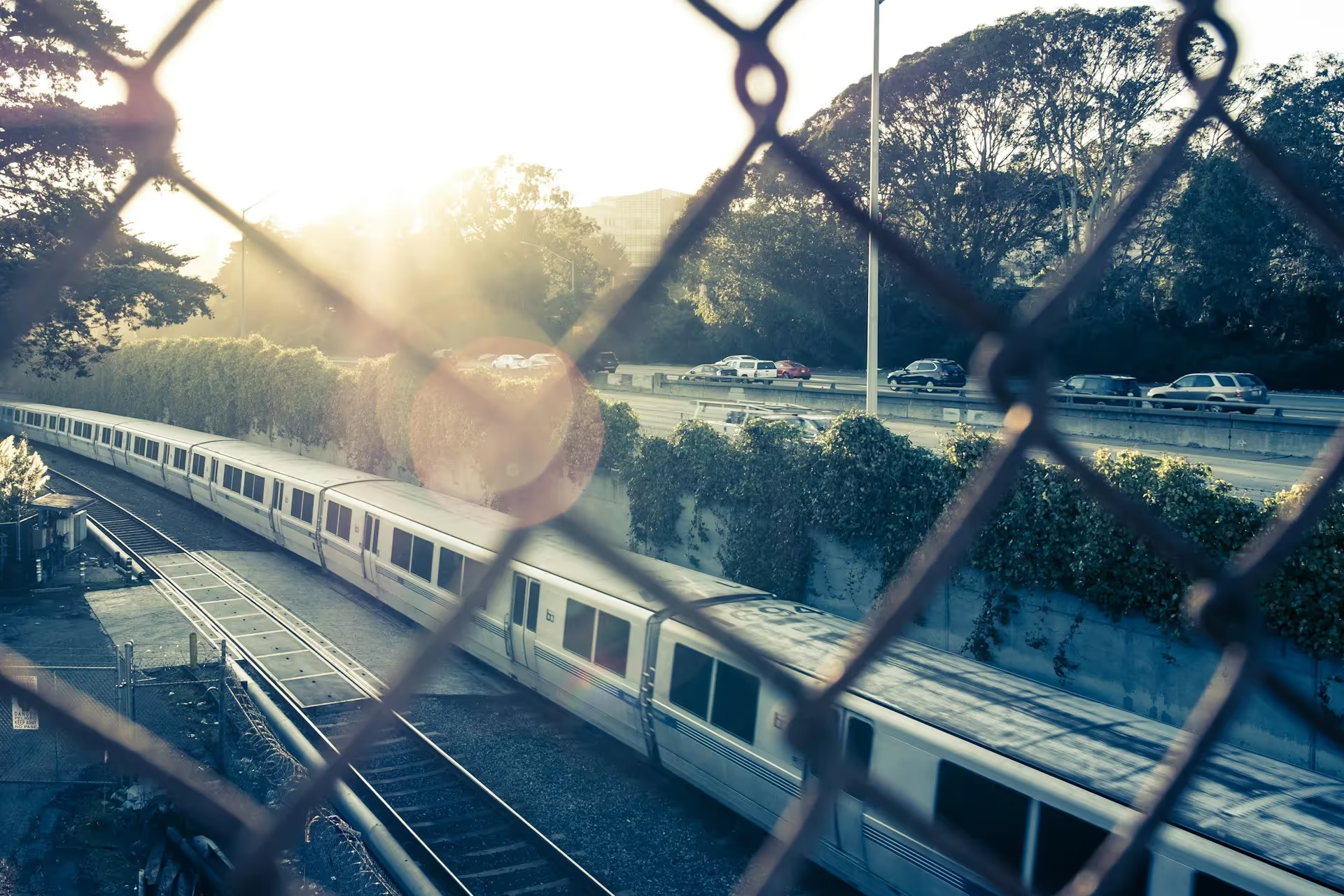
The $130 Billion Train That Couldn’t

California’s High Speed Rail is only the latest blue-state infrastructure failure.
In the annals of stupid and poorly run schemes, the California High-Speed Rail project ranks among the worst. Its future, even a dramatically scaled down one, has become ever more precarious since the Trump administration’s Department of Transportation rescinded $4 billion in funds already granted the project.
Governor Newsom has already filed a suit to reverse the action, but he can’t legislate away the reality that this project is an abject embarrassment. When voters approved $9 billion for the plan in 2008, the California High-Speed Rail Authority estimated that it would cost $33 billion and start running by 2020 – and that was just for the San Joaquin Valley portion. The cost has since ballooned to $130 billion, and no stretch is operational.
In neither the short-term nor the mid-term is there a way of providing the promised San Francisco to Los Angeles service in 2 hours and 40 minutes. Instead, the plan is now for the train to work in a “blended” fashion, mixing with conventional and freight trains in parts of the San Francisco and Los Angeles metropolitan areas. To say the least, a line running from the Central Valley hubs of Bakersfield, Fresno and Merced hardly seems a romantic return to the rails of the past.

Economic Dynamism

.jpg)


.jpg)

.jpg)

Social Mobility Wins
When people live within an environment offering good jobs, good education, social networks, and a culture of self-improvement and hard work, they experience progress in a way that undercuts the philosophical rationale that socialists need to justify the policies they advocate.
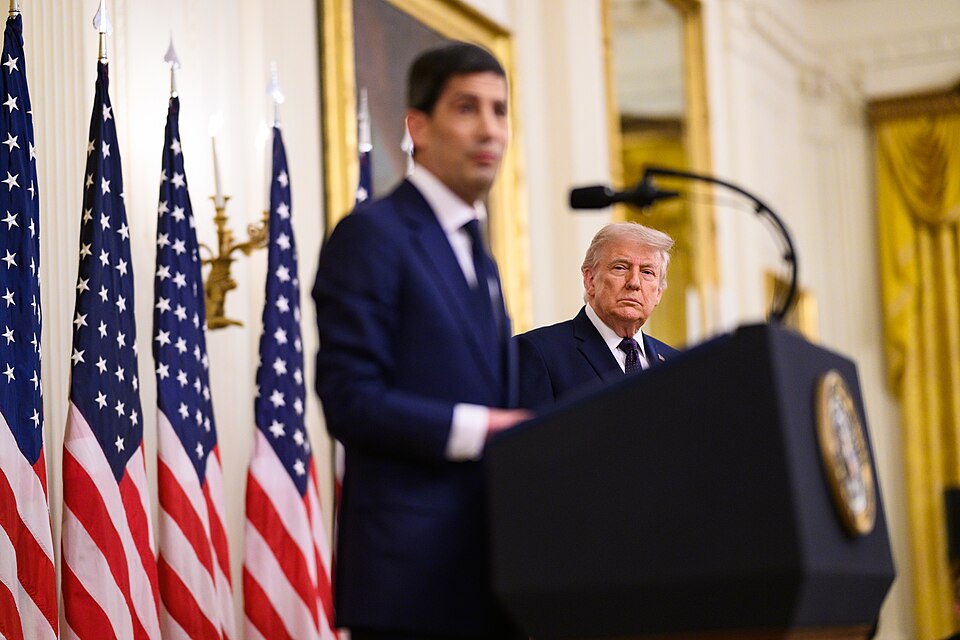
Kevin Warsh and the Future of Fed Communication
Warsh is right that the Federal Reserve should not speak so loudly that it hears only its own echo.