Why the Damage to Fed Independence May Have Already Been Done
From Bloomberg's Odd Lots Podcast:
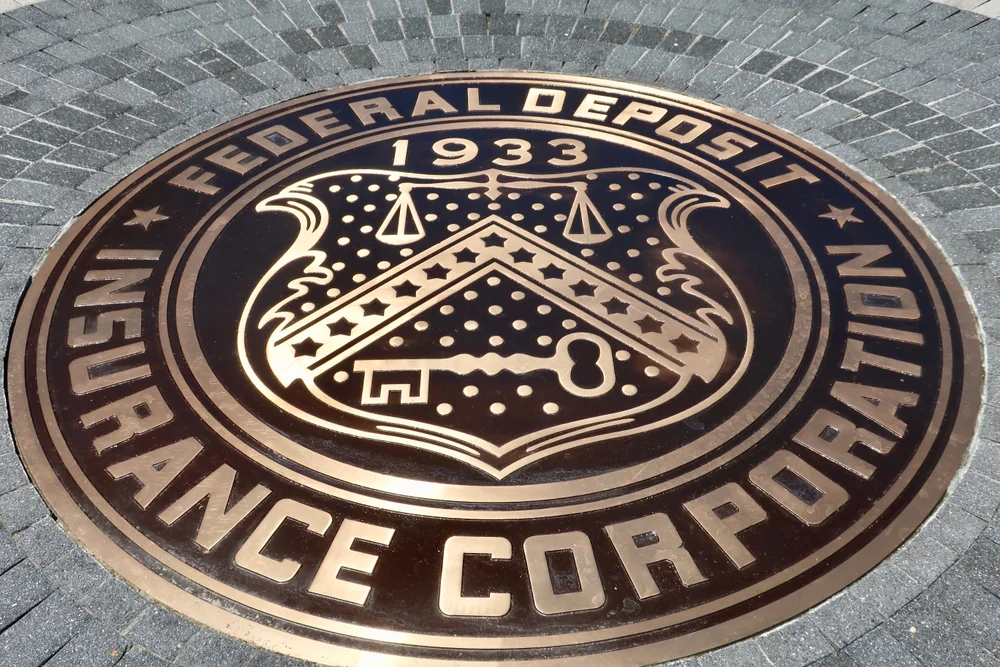
There’s a long history of US presidents putting pressure on the Federal Reserve to lower interest rates, but the techniques have often been subtle or quiet in some way. Under President Trump, attacks on the Fed have risen to a whole new level. And it’s not just Trump that’s called on Chair Jerome Powell to cut rates. Other members of his administration (along with allies in Congress) have been hammering him both on policy and also topics unrelated to monetary policy, such as the cost of renovating the Federal Reserve building in Washington.
Investors are taking seriously the prospect that Trump will find a way or a reason to remove Powell before the end of his term next year. And regardless of when Powell is replaced, there’s a widespread anticipation that the next Fed chair will be someone more closely resembling a Trump loyalist. So do we still have an independent Fed at this point?
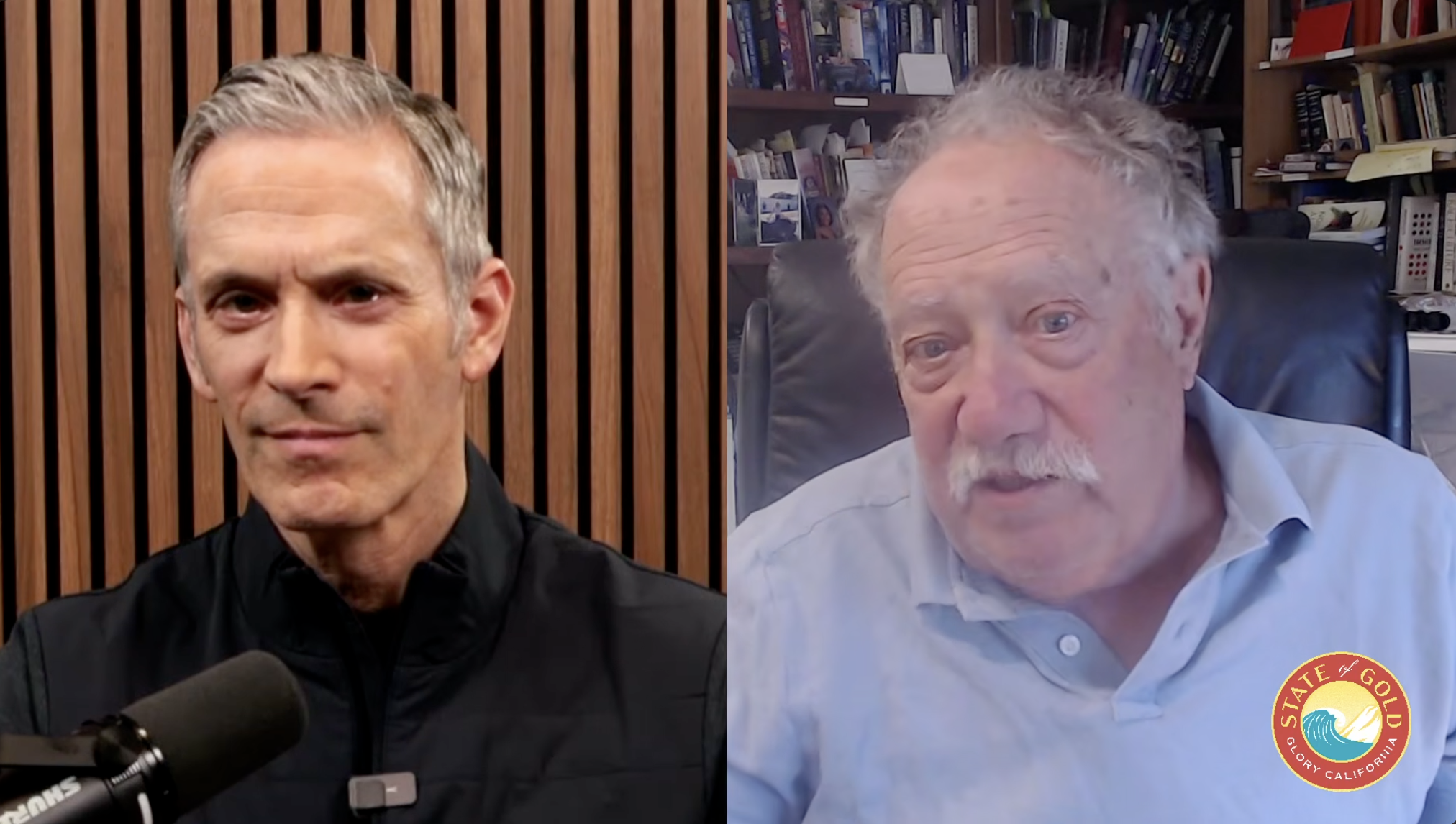
On this episode, we speak with University of Texas-Austin economics professor Carola Binder about why central bank independence is so cherished by economists, why mere criticism of the Fed could be inflationary, and whether Fed independence has been permanently damaged.
Economic Dynamism


.jpg)

.jpg)

.jpg)

Social Mobility Wins
When people live within an environment offering good jobs, good education, social networks, and a culture of self-improvement and hard work, they experience progress in a way that undercuts the philosophical rationale that socialists need to justify the policies they advocate.
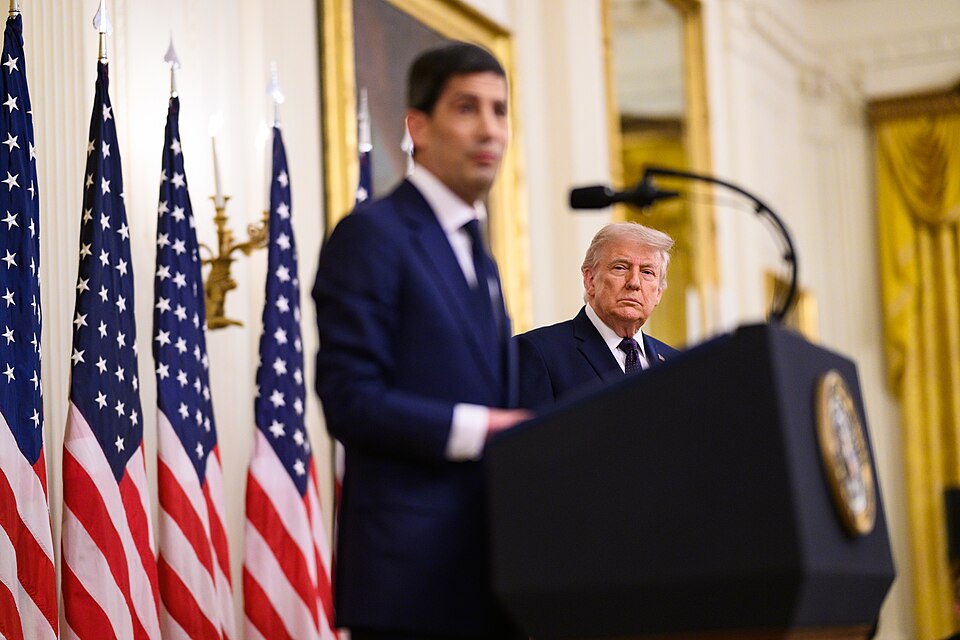
Kevin Warsh and the Future of Fed Communication
Warsh is right that the Federal Reserve should not speak so loudly that it hears only its own echo.