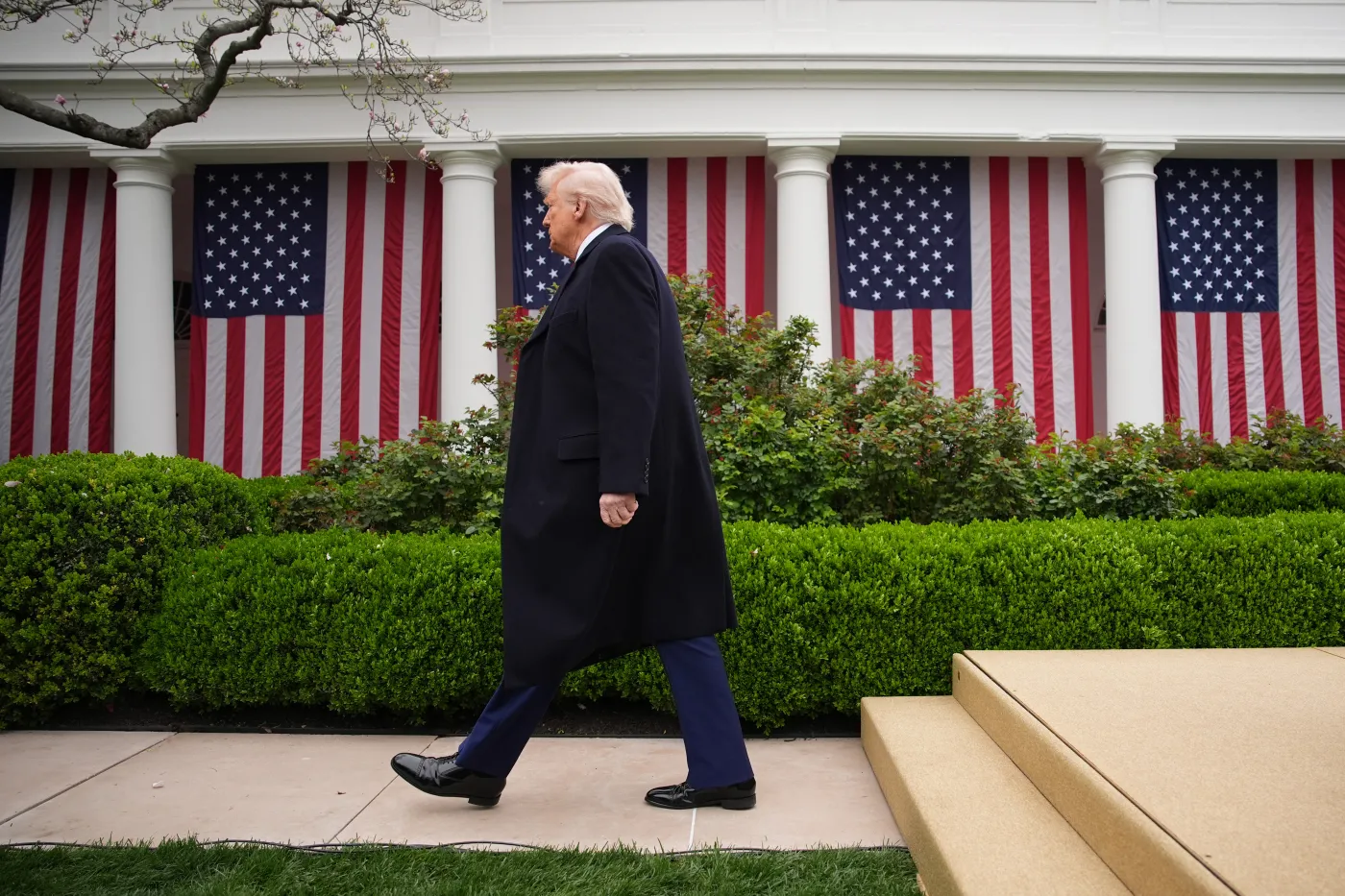
‘Liberation Day,’ One Year Later
The president vowed to usher in an economic rebirth. He instead delivered inefficiencies and job losses.
Nearly one year after President Donald Trump’s “Liberation Day” speech on April 2, 2025, in which he announced the imposition of tariffs on nearly every country in the world, the administration’s tariffs remain highly unpopular with the nation. According to a recent poll by YouGov, 60 percent of Americans strongly or somewhat approve of the recent U.S. Supreme Court decision to strike down the sweeping levies.
At the time, Trump had boldly declared that Liberation Day would “forever be remembered as the day American industry was reborn, the day America’s destiny was reclaimed, and the day that we began to make America wealthy again,” claiming that the tariffs would raise “trillions and trillions of dollars” to reduce taxes and pay down the national debt. “Jobs and factories will come roaring back into our country … and ultimately, more production at home will mean stronger competition and lower prices for consumers,” he added.
Yet today, the promises of those in power must be constantly trimmed to account for their negative side effects. Those with memories longer than a news cycle will recall that the response from the equity, debt, and currency markets to the April 2 “declaration of economic independence” was so immediately and overwhelmingly negative—the S&P 500 declined 10 percent, the dollar fell, and bond prices plummeted—that Trump had to reverse course, suspending the tariffs and then lowering them. Currently, 52 percent of imported items are exempt from tariffs because of trade agreements, exemptions, and carve-outs.
Read the full article on The Dispatch.

Economic Dynamism


.jpg)


.jpg)

.jpg)


Social Mobility Wins
When people live within an environment offering good jobs, good education, social networks, and a culture of self-improvement and hard work, they experience progress in a way that undercuts the philosophical rationale that socialists need to justify the policies they advocate.
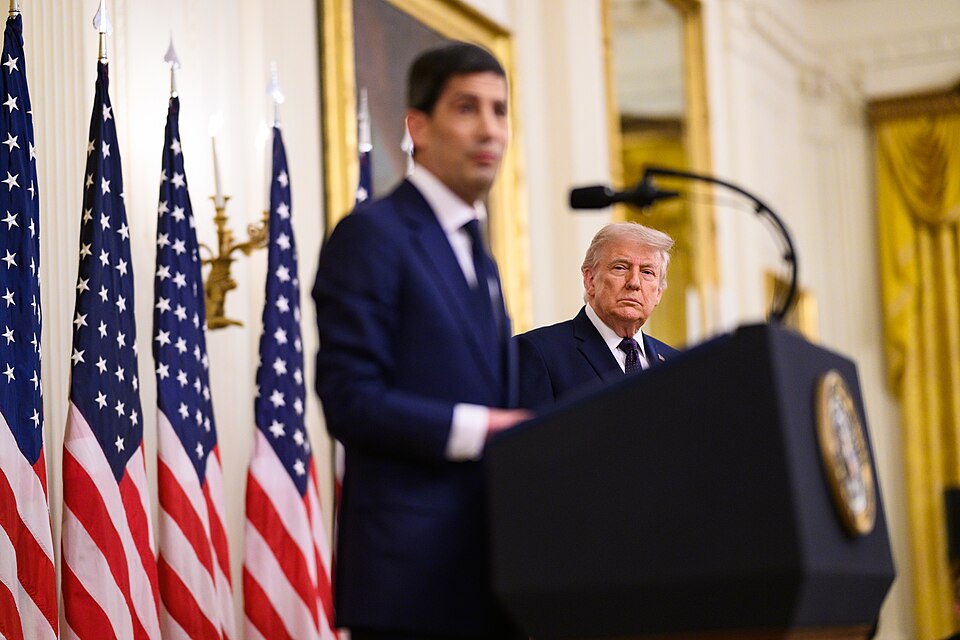
Kevin Warsh and the Future of Fed Communication
Warsh is right that the Federal Reserve should not speak so loudly that it hears only its own echo.