
Goodbye, Information Age

Welders have a brighter future than grads.
The students in a graduate-level course I teach on the social impacts of artificial intelligence include a game designer, a warehouse manager, and an HR specialist. Many of them express concern that their current jobs could disappear as AI is implemented in their industry. Yet when I visited a trade school in Newark, Ohio, there was little such concern.
High-school graduates being trained for jobs in fields such as machining or plumbing were confident that their skills were in high demand — and would remain that way. These young people, not the nerds and “symbolic analysts,” may prove the winners of the next great transition, one that is more tied to the production of tangible goods than the manufacturing of digits and images.
A world dominated by digital technology once seemed to be the inexorable future, yet we are exiting the Information Age.
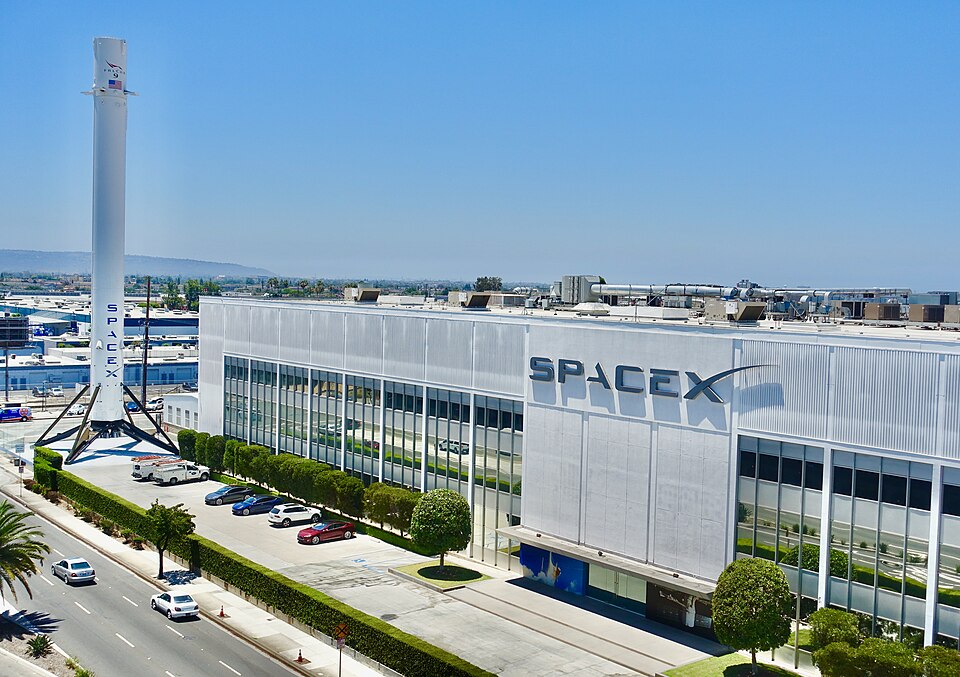
This transition has many implications: political, economic and social. It benefits investors, regions, and individuals tied to producing the tangible world, from consumer goods to missiles, spacecraft to oil and gas. The big stock winners so far in 2026 have been firms in energy, materials, consumer staples, and industry.

Economic Dynamism

.jpg)



.jpg)




.jpg)


Social Mobility Wins
When people live within an environment offering good jobs, good education, social networks, and a culture of self-improvement and hard work, they experience progress in a way that undercuts the philosophical rationale that socialists need to justify the policies they advocate.

Kevin Warsh and the Future of Fed Communication
Warsh is right that the Federal Reserve should not speak so loudly that it hears only its own echo.