Can the U.S. Defense Industrial Base Meet Today’s Challenges?
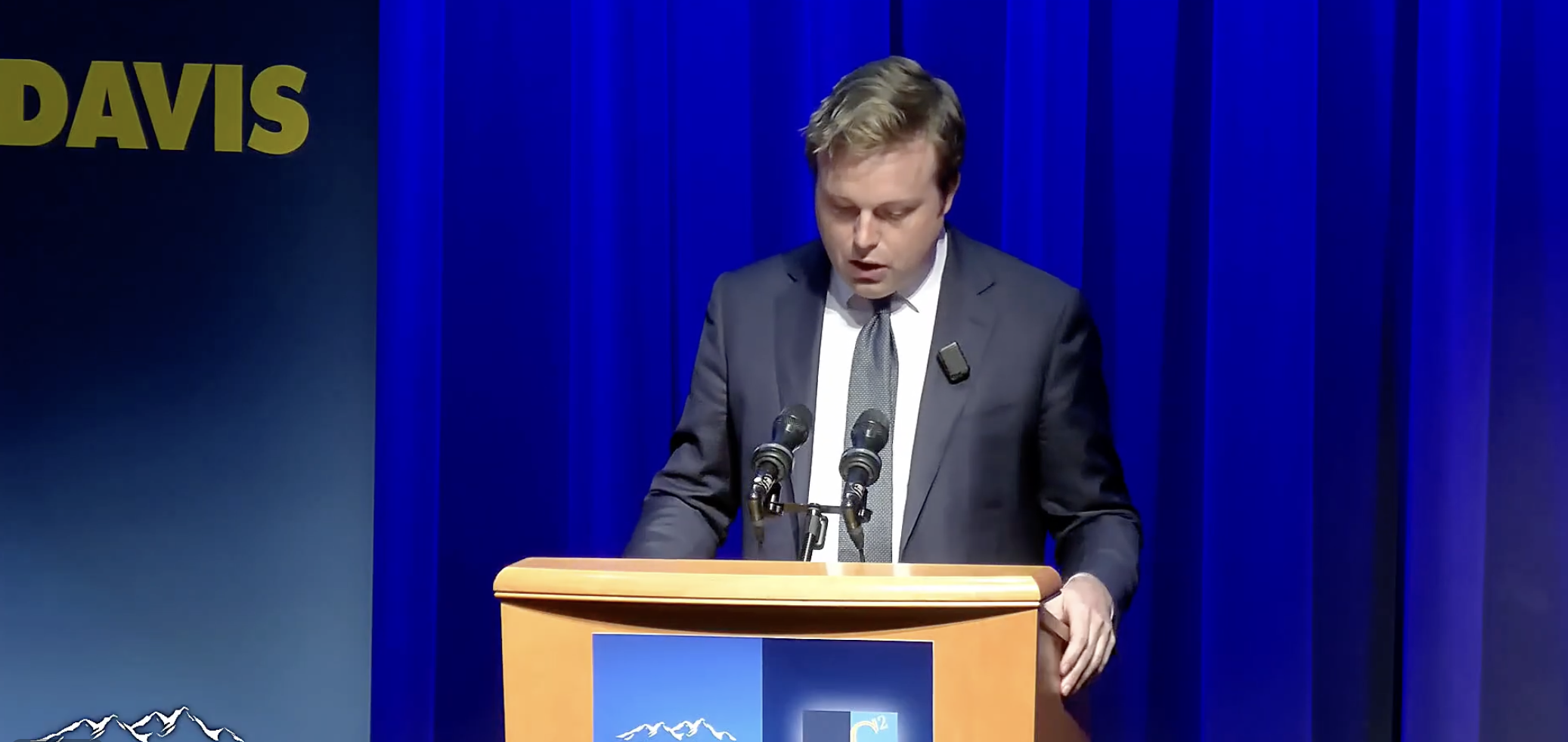
This video was recorded at the Center for Strategic & International Studies' 2025 Global Security Forum.
During World War II, the private sector rapidly mobilized to transform the U.S. into a wartime manufacturing powerhouse, certifying an allied victory and cementing the U.S.’s global leadership. In the years to follow, public-private cooperation in defense would become the gold standard, opening up an evolving defense-industrial base that would enable the future success of U.S. operations across the globe. From the consolidation of defense companies in the post-Cold War era to the manufacturing challenges presented in the modern day, this panel will examine the evolution of the U.S. industrial base in the context of a rapidly-changing world—one where our industrial might is challenged like never before.
Panelists Dr. Author Herman, Senior Fellow and Director, Quantum Alliance Initiative, Hudson Institute; Dr. Seth Jones, President, Defense and Security Department, and Harold Brown Chair, CSIS; Jen Stewart, Executive Vice President for Strategy and Policy, National Defense Industrial Association and Senior Advisor (Non-resident), Defense and Security Department, will join moderator Eric D. Chewning, Executive Vice President of Strategy & Development, HII, for a panel discussion on how the history of public-private partnerships in defense can inform, support, and enable the future of the defense-industrial base.

Economic Dynamism


.jpg)



.jpg)


.jpg)


An AI Commencement Address That Might Not Elicit Boos
Someone has to dare to point the path forward in those communities. We need many more Nehemiahs.

A Tech Republic, If You Can Keep It
Before destroying the sources of American technological dominance, perhaps we should consider what would happen if the U.S. finds itself envying technological advances happening elsewhere