Students from China Are Essential for America


An appropriately curated student visa policy in vital research fields like AI and quantum can combine careful risk management with common sense. The benefits to the U.S. will last for generations.
A recent poll showed that 88 percent of American voters worry that the rapid pace of Beijing’s technological advancements will give China military superiority over the U.S. One way to make sure that this dire prediction comes true is to ban Chinese and other foreign students and researchers from studying here.
Try to imagine the Manhattan Project without German refugee scientists like Hans Bethe, or another refugee from an Axis power, Enrico Fermi. Or try to imagine America’s ballistic missile program, including the moonshot, without German scientists like Wernher von Braun. There are times when scientists and researchers from other countries, even nominally hostile ones, can be crucial to the development and maintenance of America’s technological edge.
There are plenty of reasons for America to be concerned about China, including its command-and-control government, its technology theft and its inequitable trading practices. The arrest in June of two Chinese student researchers from the University of Michigan, for allegedly smuggling biological pathogens into the U.S., underlines the importance of making sure that Chinese students and scientists aren’t getting into our country in order to do us harm.

Economic Dynamism

.jpg)



.jpg)

.jpg)


Social Mobility Wins
When people live within an environment offering good jobs, good education, social networks, and a culture of self-improvement and hard work, they experience progress in a way that undercuts the philosophical rationale that socialists need to justify the policies they advocate.
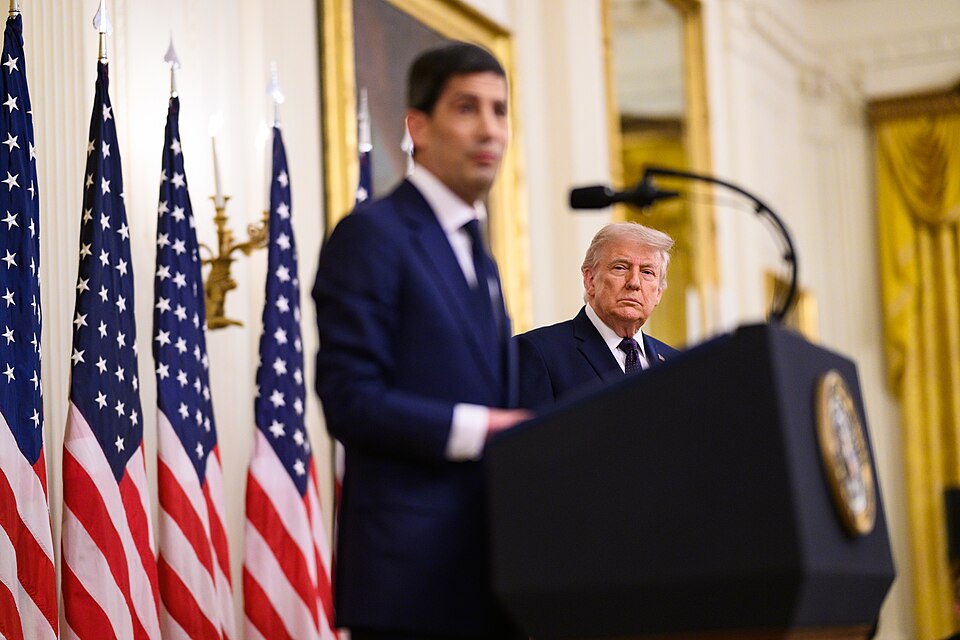
Kevin Warsh and the Future of Fed Communication
Warsh is right that the Federal Reserve should not speak so loudly that it hears only its own echo.