The Three Whisky Happy Hour: Bringing the Wood to Wood
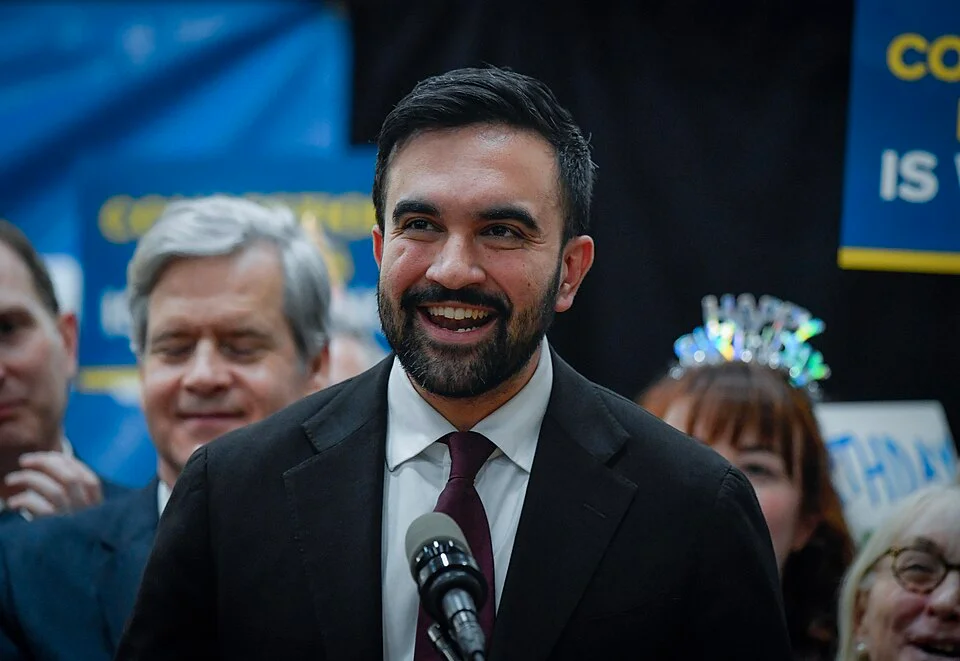
Another week of last minute schedule changes, flight delays, lost iPads, misplaced laptops, and other mishaps delayed the recording of this week’s episode, but finally on Saturday night we were able to sit down for an especially fast-paced episode to close out the week that comes with competing Star Trek metaphors, reflectioning and debating briefly about which was the weirdest news story of the week—the latest Epstein file revelations, MTG departing the House, the Mamdani-Trump Oval Office Summit—the greatest clash since Yalta, or the most bizarre meeting of Capitalist and Communist since Franklin Roosevelt dined alone—before we finally settle down to out main topic of the week: the launch of what will be a regular feature here on the 3WHH between now and the 250th anniversary of the Declaration of Independence next July 4.
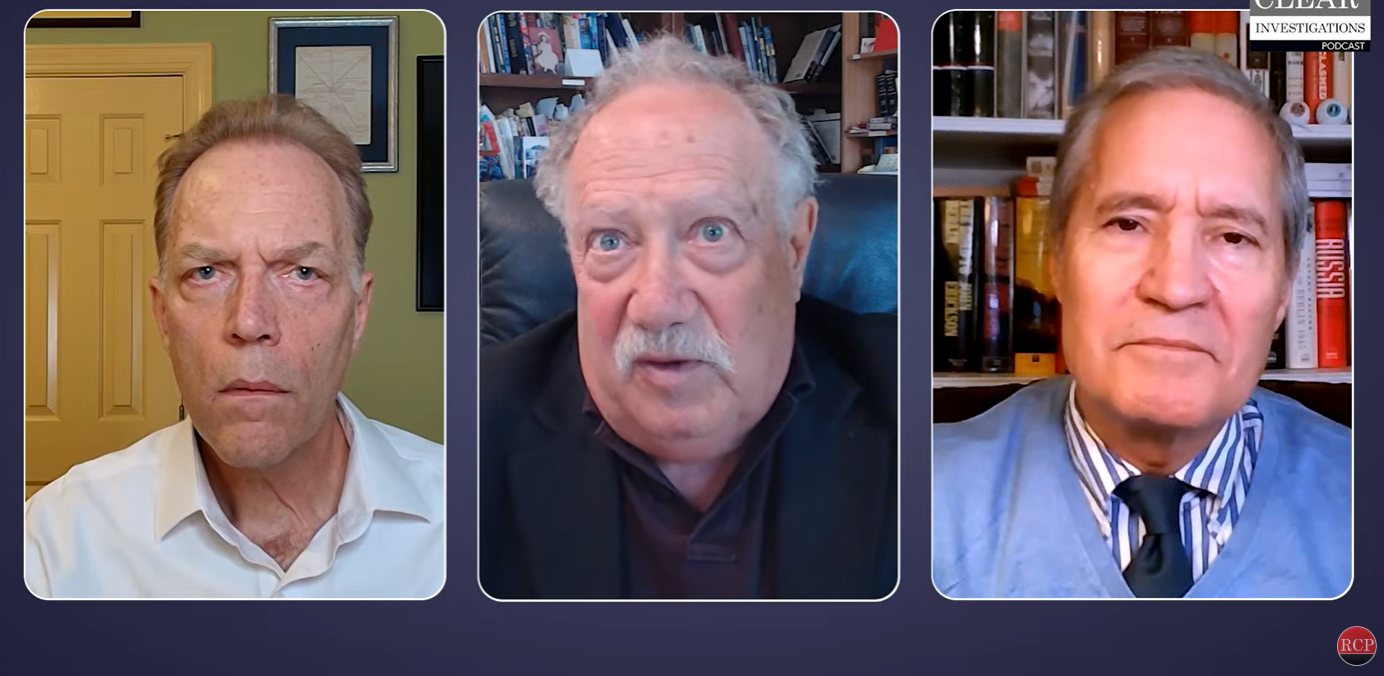
For this first installment, we ponder the strange case of historian Gordon Wood, considered the pre-eminent historian of the American Founding, who was in the news last week for a speech he delivered in Washington DC for the American Enterprise Institute. Steve was present to hear the speech; John took in the published version, and Lucretia let out a mighty harumph. Wood’s main thesis at the beginning of his illustrious career was that the American Founding should be understood as part of the “civic republican” tradition, rather than a Lockean-Jeffersonian natural rights revolution. It made him the left’s favorite historian for a time, a point Steve made in a critical article about Wood 20 years ago, “The Liberal Republicanism of Gordon Wood.”
Naturally—do I really need to say “naturally”? you know what’s coming next—John stepped up to defend Wood’s civic republican thesis. Lucretia thought she could sit this one out, but ChatGPT provided us with a debate between Lucretia and Wood, with “Wood” getting off some good zingers like “Lucretia, the Founding wasn’t a live-action performance of Natural Right: The Musical,” and “Of course they were serious—serious about the collapse of deference, the emergence of democratic culture, and all the other things that give Straussians spontaneous nosebleeds.” Lucretia responded in kind: “You make it sound like Samuel Adams was out there organizing consciousness-raising workshops. “Hi, I’m Sam, and I’m here to talk about my feelings on monarchy…”
The episode is slightly shorter than normal as Steve had to rush off to the final performance of Steve Hackett’s North American tour in Portland, Oregon, and the final performance of keyboardist Roger King, and because the philistine and cretinous Lucretia and John attempted to mock the gods of prog rock, the exit music this week is an excerpt from Hackett’s most famous guitar lick. IYKYK.
The Three Whiskey Happy Hour
The Three Whisky Happy Hour: Trump—A New Columbus?
Maybe Trump is a Columbus of sorts, sailing precariously into the Blue State oceans to drain swamps, etc. It’s worth a shot.

The Three Whisky Happy Hour: Rumble in the State of Nature Jungle
The hosts are joined by Hadley Arkes in this episode of 3 Whisky Happy Hour.
Politics
%20Richard%20Samuelson%20%20-%20Is%20American%20Nationalism%20Still%20Creed-able_-1.jpg)
Is American Nationalism Still Creed-able?
We are not there now, but there is reason to worry that the United States is in danger, if we are not careful, of ceasing to be a nation with the principles of 1776 at its core.
National Civitas Institute Poll: Americans are Anxious and Frustrated, Creating a Challenging Environment for Leaders
The poll reveals a deeply pessimistic American electorate, with a majority convinced the nation is on the wrong track.
.webp)
%20(1).avif)




.png)
.png)
.png)
Confronting the New Antisemitism
"The postwar effort 'to rebrand Judaism as a religion' has made it impossible for American Jews to understand what they are facing today, because what we are facing today is an attack on the idea of Jewish peoplehood.”
“Democratic” Socialism Is Undemocratic
By promoting class hatred, suppressing private initiative, and seeking enhanced control of our lives, today’s democratic socialists undermine patriotism and individual initiative—two qualities that have long distinguished the United States from other major nations.



Get the Civitas Outlook daily digest, plus new research and events.