Reiner, Stand By Me

In troubled times, it is again necessary to take seriousness and daring as necessary defenses of our way of life. We should again look at boys to ask how they become men.
Rob Reiner has died at the age of 78, and social media immediately filled with an outpouring of regret mixed with gratitude for the passing of an artist who’d given shape to the hopes and fears of young people, especially young men, for a generation. Stories for teenagers, like The Princess Bride (1987) and Stand By Me (1986), as well as romantic comedies for young men, like The Sure Thing (1985), have long been home viewing favorites for their mix of innocence and fun, avoiding the sordid stuff and reassuring audiences about the need to gain experience, to grow up, to become adults.
The young Reiner was not only a beloved but a remarkably professional director. He worked with small budgets and excelled at feature-length movies. His first six, which are also his best, are about 90 minutes on average; they were all profitable, some were hits, and even got award nominations. He worked with newcomers, whom he helped make careers for themselves, and there was often something of the improvisational quality of independent moviemaking about him, even beyond his comic taste, since he had to face any number of production mishaps. He got through it and got everyone through it every time.
That’s one of the remarkable runs in Hollywood history. It started with Reiner’s debut in 1984, with This Is Spinal Tap, a mock documentary about a silly rock band on the road. In between jokes about the excesses of rockers, the redeeming quality of the story is the boyhood friendship of the guitarist and singer. The band falls apart and comes back together on the strength of that moral bond. And it ended with 1990s Misery, a psychological thriller, indeed, a Stephen King adaptation, about a cynical romance writer learning to fear his biggest fan, who becomes his nurse after an accident.
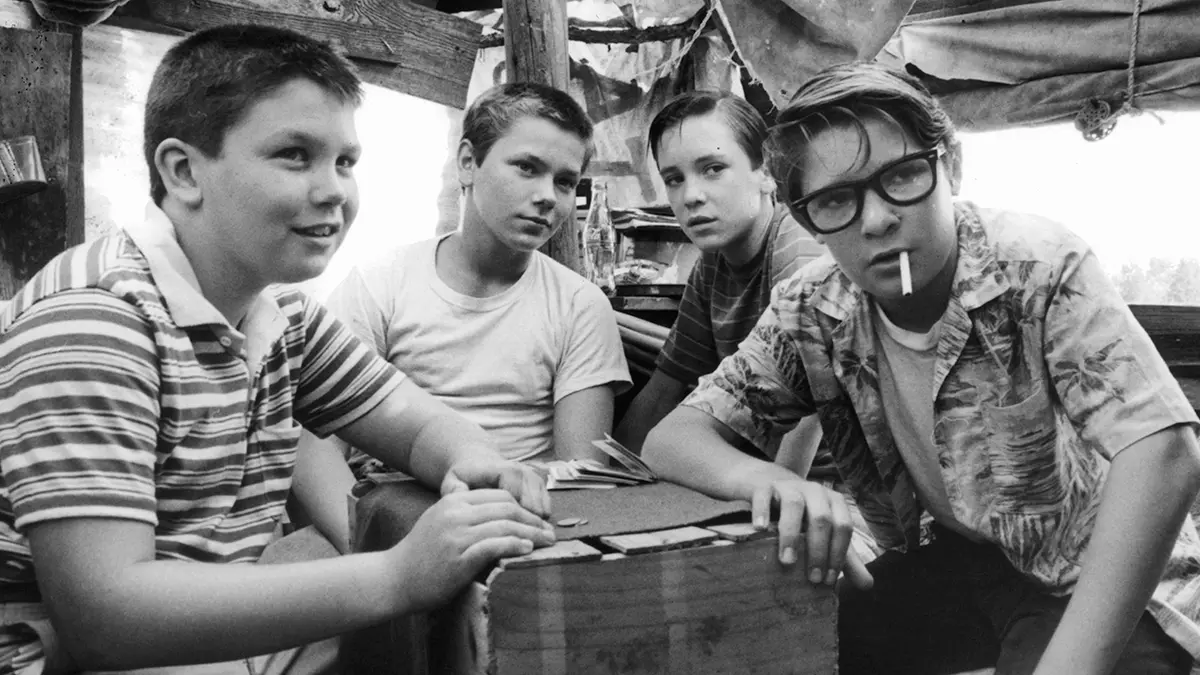
Success at moviemaking and success with audiences are measures of practical psychology. Reiner understood quite a bit about how to get work done and what to offer audiences. Maybe that’s most obvious in Stand By Me, the 1986 adaptation of Stephen King’s 1982 novella The Body, about four boys in search of experience, somewhere in the American heartland, in 1959. Reiner interviewed dozens of child actors until he came across Will Wheaton, River Phoenix, Corey Feldman, and Jerry O’Connell, and guided them in portraying a group of friends who have nothing but each other to rely on as they face growing up.
Three of the boys, Gordie (Wheaton), Chris (Phoenix), and Teddy (Feldman), while away their time in their treehouse until the fourth, Vern (O’Connell), tells them about a corpse, the body of a local boy who had recently disappeared. By accident, Vern had heard his older brother, part of a youth gang, talk about how he’d discovered the body but couldn’t call it in and claim newspaper glory for fear of being discovered — he’d stolen the car that had gotten him to the place where he found the boy, who had been hit by a train.
This attraction to death is connected to family problems. Gordie’s family is wrecked by the death in an accident of his older brother Denny (played by John Cusack), a promising young man and talented football player. “The Bible says in the midst of life we are in death,” a grocer tells Gordie. He commiserates; he, too, lost a brother in Korea. Chris comes from a bad family; his older brother is also in the same youth gang as Vern’s brother. His father is a wretch, from whom Chris steals a Colt .45. Teddy’s father has gone mad after mutilating the boy’s ear. The suggestion is PTSD after WWII. As for Vern, he’s the only good-natured kid, but he’s a coward, so in a way, he fits in.
Since we want above all that our children be psychologically and socially well-adjusted, we make every effort to make sure they’re not only not traumatized, but, in a way, that they never have any negative experiences. To keep them safe is above all to keep them away from the thought, much less the reality of death. These boys are the opposite. They’ve all suffered; they’ve been touched by death in some way. This is why they want to see the corpse. It’s a boy just like them, after all, he had gone out picking blueberries. What’s more innocent than that? Yet death found him. Meanwhile, our children turn to computer games and the horror genre as a substitute for experience.
The boys don’t really know more about adventure than we do. Their ideas come from TV Westerns — Have Gun Will Travel, whose theme song they play back and forth between them, Lone Ranger, and The Cisco Kid. They follow the railroad out of town and find themselves, for once, free. Having deceived their parents into believing they’re staying together, they have the weekend to themselves. They pack for the road, to camp overnight, they’re thinking of a long 20-30 mile trip. This is the most daring thing they’ve attempted. They’re playacting adulthood, making one’s way away from home without realizing it. It’s the first step into adulthood.
In town, their only act of daring had been a brief attempt to stand up for themselves against the youth gang led by Ace (played by Kiefer Sutherland), another impressive actor of the ‘80s, as a charming, cruel, aspiring murderer. We see there’s nothing the boys can do against adults. In the country, however, they begin to be daring. Teddy recklessly tries to dodge a train, and then they all must outrun another one, on a bridge. They cross through a junkyard rumored to be protected by a ferocious dog his owner has trained to emasculate intruders. It turns out, like most thrilling stories, to be a lie, but it’s a test of their moral courage.
The boys had to trust each other to adventure together in the first place, but the adventure teaches them that trust comes with care and that they have to help each other. As to their initial carelessness, none of them had packed food; they don’t think ahead. But in talking to each other and facing each other’s problems, they begin to forge the bonds of friendship. Especially Gordie and Chris, neglected by their families, face their fear of failure, go through school together, and earn their self-respect. The substitution of friendship or brotherhood for family or fatherhood is the core of the story.
The two tougher boys, Chris and Teddy, are card players; Gordie is a reader and writer. He’s their storyteller, and he tells them a story of gross revenge as they camp for the night. A fat boy, everyone calls Lardass, goes to a pie-eating competition; you’d think he can finally win at something, but the story instead is about how he vomits on people, inducing vomit in everyone. This is a gross version of the horror scene at the end of Carrie, an attempt to reinterpret weakness as a source of strength. The problem is that it reduces the self and society to ugliness alone. The correlative on the level of storytelling itself is the reduction of stories to metaphors. These are the weaknesses against which the boys would have to guard themselves, or each other, if they are to grow up without resentment.
Once they face the fear of camping in the forest, there’s nothing left for the boys to do but see the corpse. Yet when they do, they run into the youth gang, who want the corpse and the newspaper glory. Chris won’t back down, and Gordie pulls out the .45 and fires in the air. The threat is remarkably effective — the young men back down. But why do the boys do it, aside from finally standing up for themselves? They want somehow to protect the innocence of the dead boy, Ray Brower. He will not get to grow into a man; he can only be protected from prurient curiosity and celebrity. The boys cover him up, which is the only gesture of piety in the story, and then call the police anonymously to make sure he gets a decent burial. They restore him to the human community, in short, as they themselves return.
The way they take responsibility for each other’s lives and for the death of a boy they hardly knew shows the character of these boys. For all the ways they shock us — they smoke, for example — we would do well to wonder whether we do not need such young men. The closest correlative to these misfits we have are boys or young men who grew up similarly feral online; we would have to ask of them, first of all, not whether they suit our sensibilities, but whether they have the loyalty and care that make men by making friends. The strangest thing about our times is how many boys and men do not have friends.
Stand By Me is the closest Reiner came to dramatizing the relationship between suffering and seriousness, and he deserves our gratitude for his gentle treatment of the matter. This is the source of strength that is most often missed and therefore nostalgically remembered or desired, something more at home in stories than in our politics or society. Perhaps in times of peaceful prosperity that’s very hard to avoid, but in troubled times, it’s again necessary to take seriousness and daring as necessary defenses of our way of life. We should again look at boys to ask how they become men.
Titus Techera is the Distinguished Fellow in American Culture at Hillsdale College, International Program Coordinator at the Edmund Burke Foundation, and the Managing Editor of the European Journal of Political Philosophy, as well as a Visiting Fellow at Mathias Corvinus Collegium in Budapest, Hungary.

Pursuit of Happiness
The Rise of Latino America
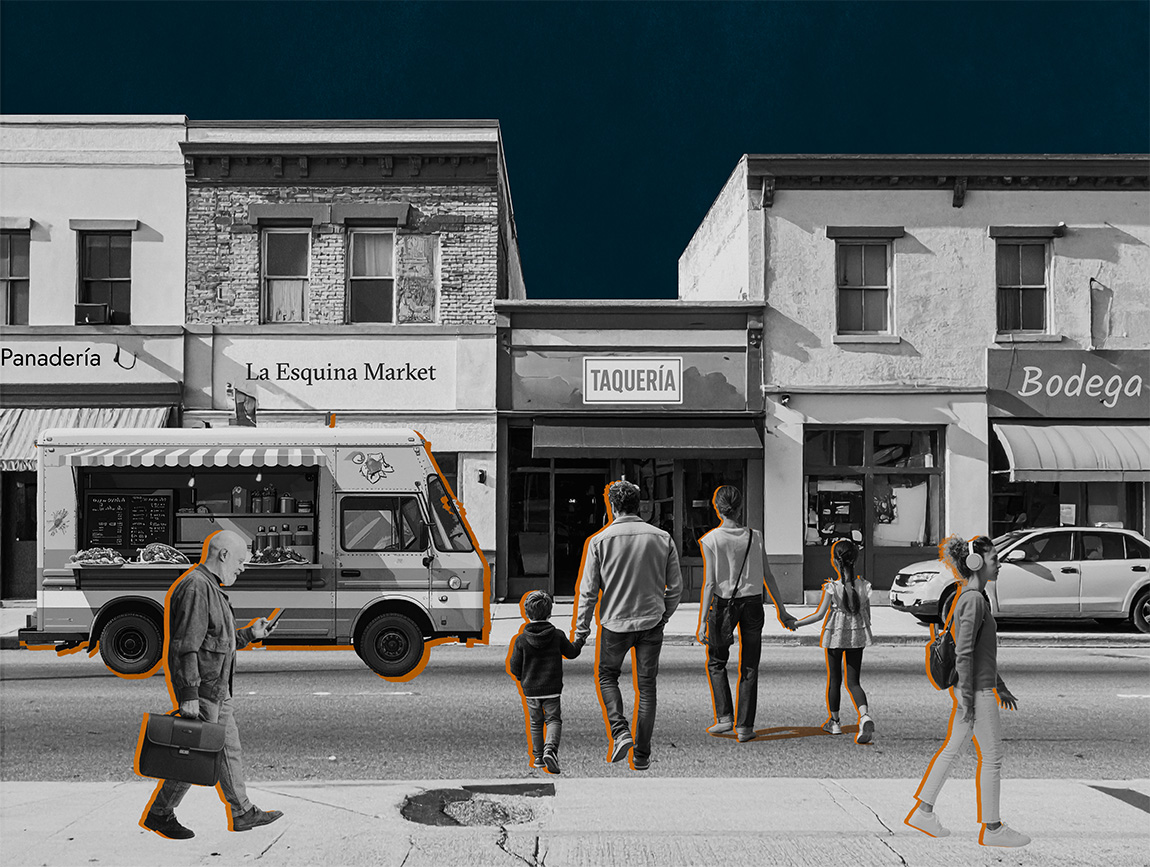
In The Rise of Latino America, Hernandez & Kotkin argue that Latinos, who are projected to become America’s largest ethnic group, are a dynamic force shaping the nation’s demographic, economic, and cultural future. Far from being a marginalized group defined by oppression, Latinos are integral to America’s story. They drive economic growth, cultural evolution, and workforce vitality. Challenges, however, including poverty, educational disparities, and restrictive policies, threaten their upward mobility. Policymakers who wish to harness Latino potential to ensure national prosperity and resilience should adopt policies that prioritize affordability, safety, and economic opportunity over ideological constraints.








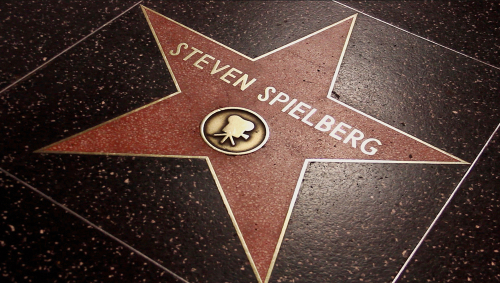
Spielberg’s Empty Hope
'Disclosure Day' should have been called 'Hope and Change,' or rather 'Change and Hope.'
.jpg)
Deliberative Republicanism and the Triumph of the American Founding
Instead of rejecting the moral urgency of the postliberal right and left, it is fitting and proper that we redirect it through the right kind of education—both formal and informal—that can inspire affection for our Constitution.
.jpg)