The Campus Civility Collapse

After October 7, discourse broke down. How can we restore it?
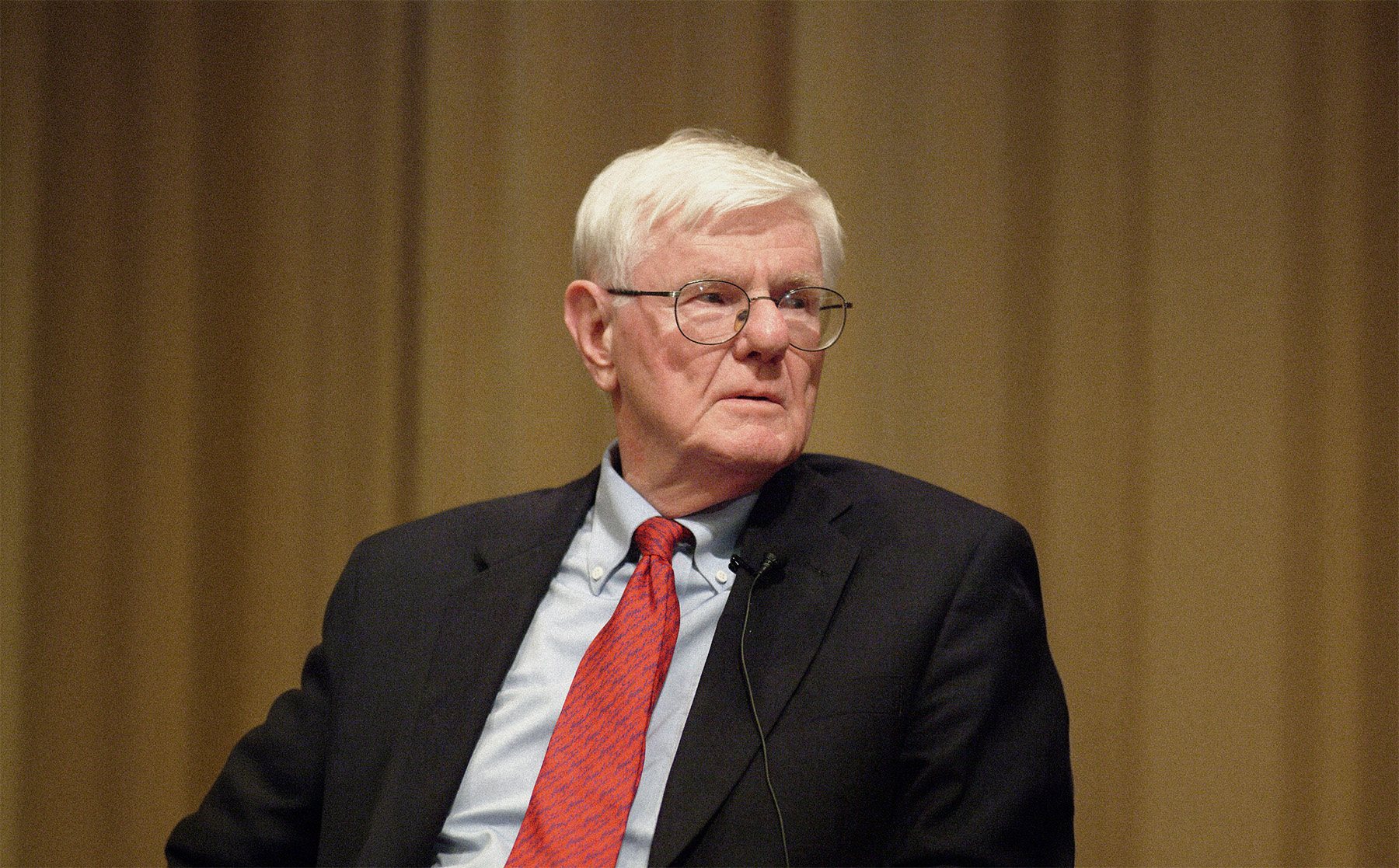
The past two years have exposed a fundamental tension in higher education. Most universities are committed to both diversity and free speech, yet many are unable to cope with the social consequences of passionate disagreement. As protests over Israel and Gaza spread across campuses, administrators called for a return to civility, as though civility were a switch that could be flipped back on. But the confusion, anger, and institutional paralysis that followed suggest that universities aren’t just struggling to maintain civility on campus; they have no consensus about what civility requires.
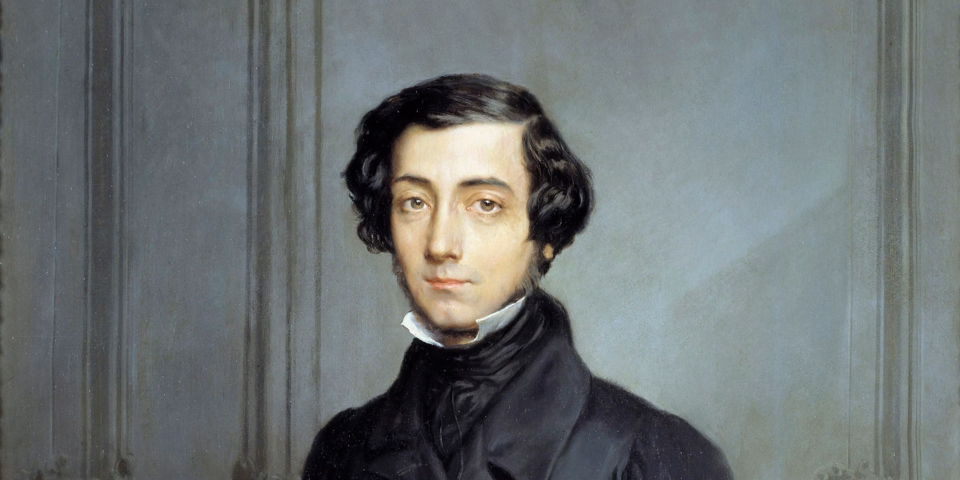
To better understand how higher education got into its current predicament, university leaders should consult intellectual history. In her 2017 book, Mere Civility: Disagreement and the Limits of Toleration, the Oxford political theorist Teresa M. Bejan traces the historical development of three different conceptions of civility in the work of three 17th-century thinkers: Thomas Hobbes, John Locke, and Roger Williams. These men offered different political prescriptions, but they each viewed civility standards as critical tools for mediating the tensions that inevitably arise between three basic features of any society: the diversity of its people, especially when it comes to their beliefs about sensitive religious and political subjects; the frequency of open disagreements about those subjects; and social cohesion.

Pursuit of Happiness
The Rise of Latino America
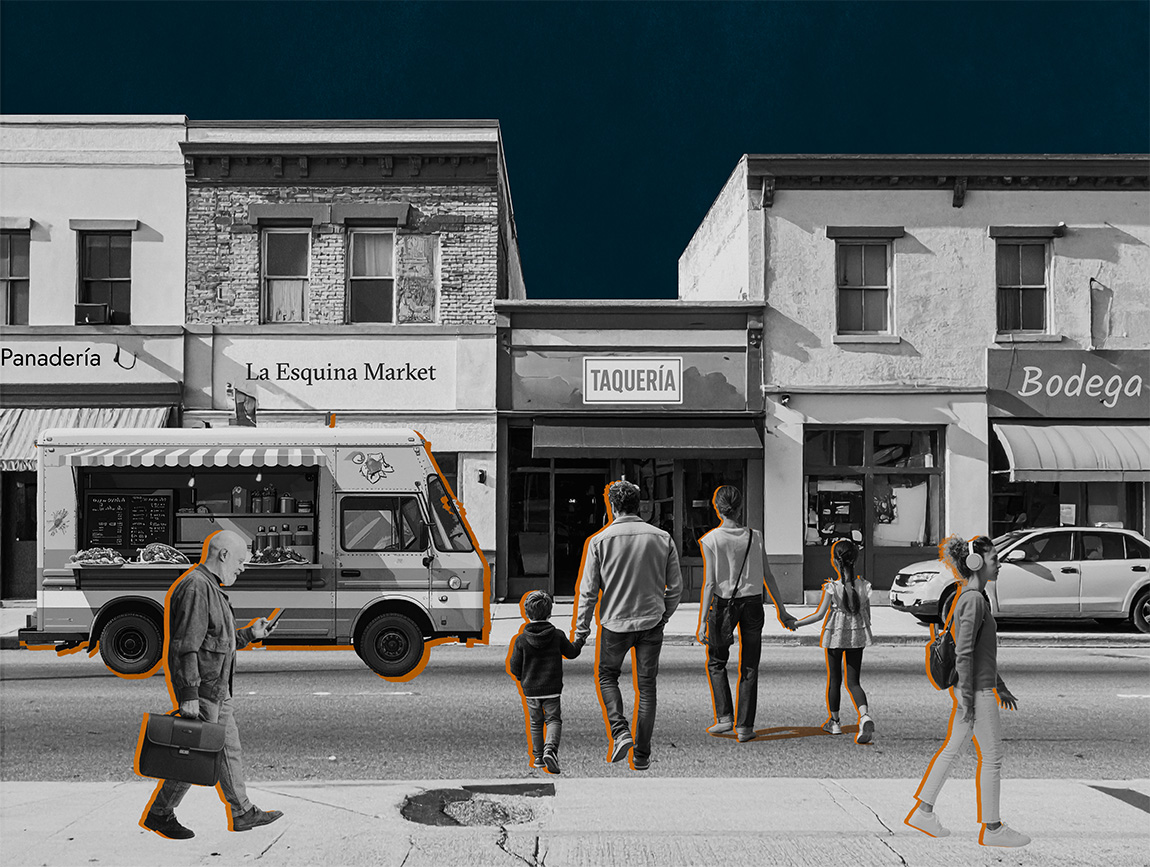
In The Rise of Latino America, Hernandez & Kotkin argue that Latinos, who are projected to become America’s largest ethnic group, are a dynamic force shaping the nation’s demographic, economic, and cultural future. Far from being a marginalized group defined by oppression, Latinos are integral to America’s story. They drive economic growth, cultural evolution, and workforce vitality. Challenges, however, including poverty, educational disparities, and restrictive policies, threaten their upward mobility. Policymakers who wish to harness Latino potential to ensure national prosperity and resilience should adopt policies that prioritize affordability, safety, and economic opportunity over ideological constraints.







Spielberg’s Empty Hope
'Disclosure Day' should have been called 'Hope and Change,' or rather 'Change and Hope.'
.jpg)
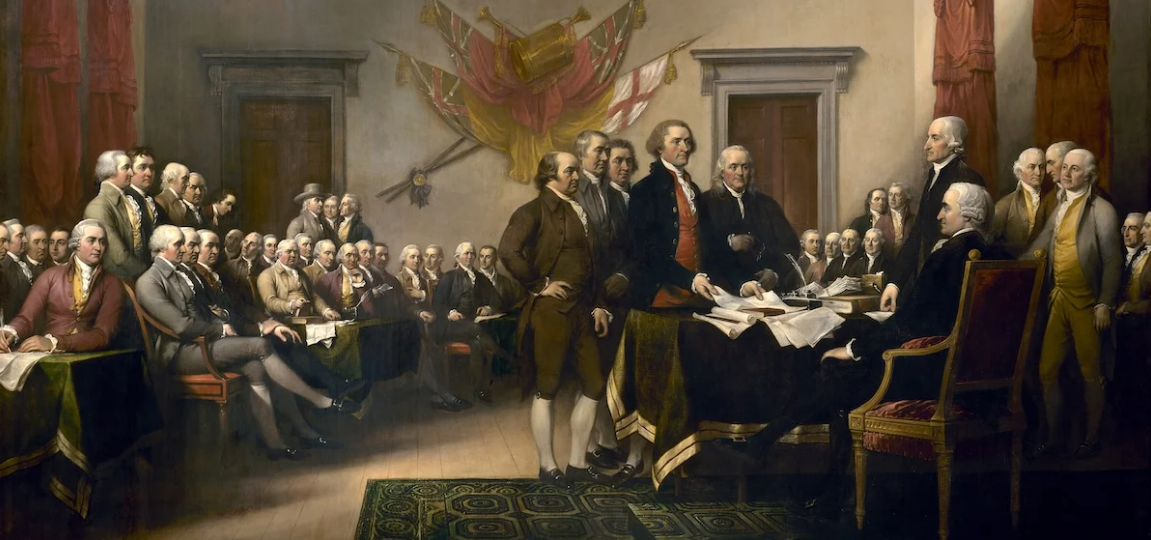
Deliberative Republicanism and the Triumph of the American Founding
Instead of rejecting the moral urgency of the postliberal right and left, it is fitting and proper that we redirect it through the right kind of education—both formal and informal—that can inspire affection for our Constitution.
.jpg)