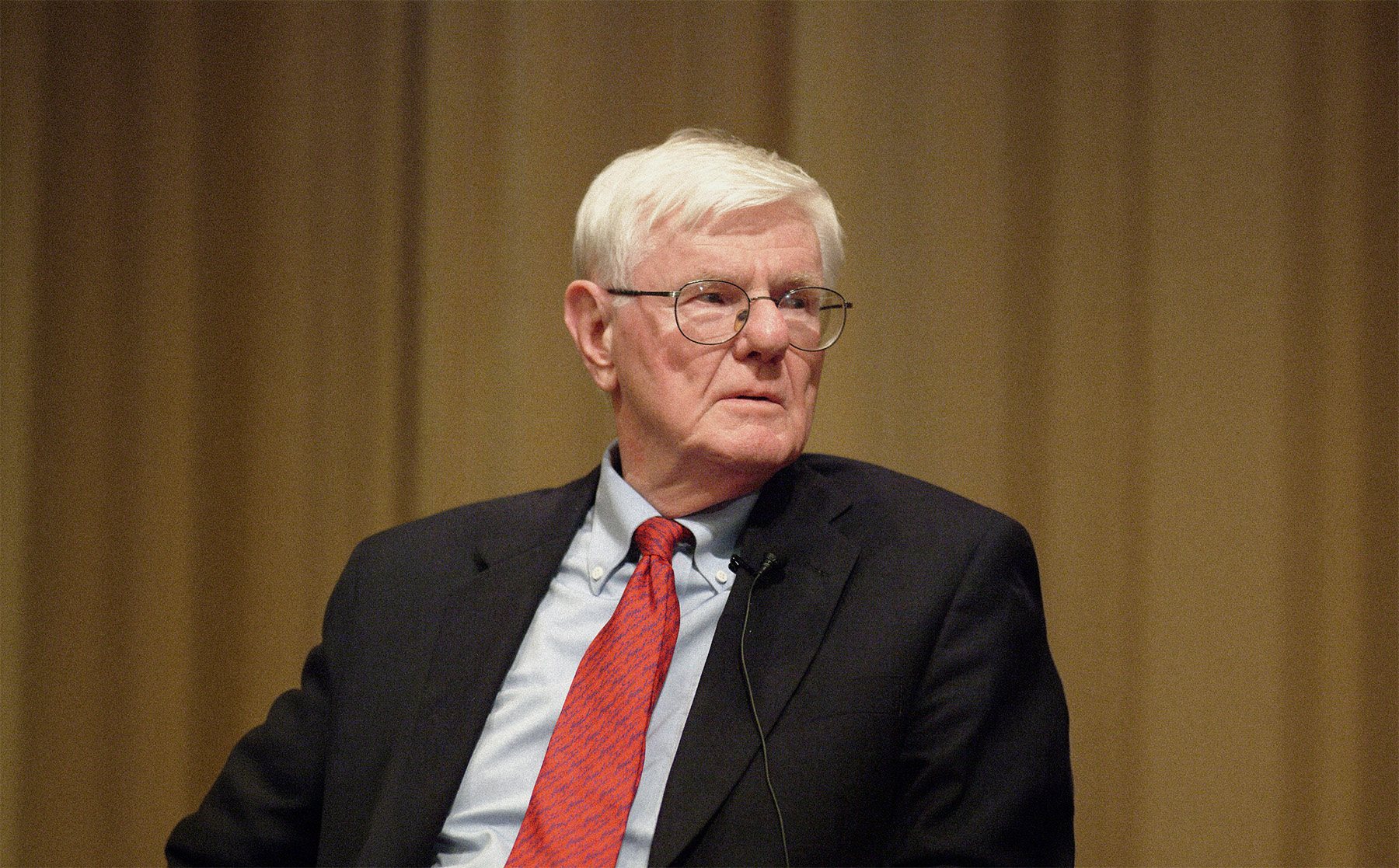
Richard Epstein on Roman Law and Sociobiology
.avif)
How and why Roman law worked, how it eventually fell apart, and sociobiology as a way to explain the foundations and limits of legal norms.
In this episode I talk with UChicago and NYU law professor Richard Epstein. Professor Epstein is a prolific legal scholar who is most famous as a classical liberal/libertarian theorist of the common law. However, as much as Epstein’s ideas are influenced by enlightenment thought and law and economics, his true love in law, as he’ll tell anyone, is Roman Law. In this episode we talk a bit about how and why Roman law worked, how it eventually fell apart, and a bit about Epstein’s interest in sociobiology as a way to explain the foundations and limits of legal norms.
Listen to the full episode on The Stationary Bandit.

Pursuit of Happiness

The Rise of Latino America
In The Rise of Latino America, Hernandez & Kotkin argue that Latinos, who are projected to become America’s largest ethnic group, are a dynamic force shaping the nation’s demographic, economic, and cultural future. Far from being a marginalized group defined by oppression, Latinos are integral to America’s story. They drive economic growth, cultural evolution, and workforce vitality. Challenges, however, including poverty, educational disparities, and restrictive policies, threaten their upward mobility. Policymakers who wish to harness Latino potential to ensure national prosperity and resilience should adopt policies that prioritize affordability, safety, and economic opportunity over ideological constraints.











Spielberg’s Empty Hope
'Disclosure Day' should have been called 'Hope and Change,' or rather 'Change and Hope.'
.jpg)
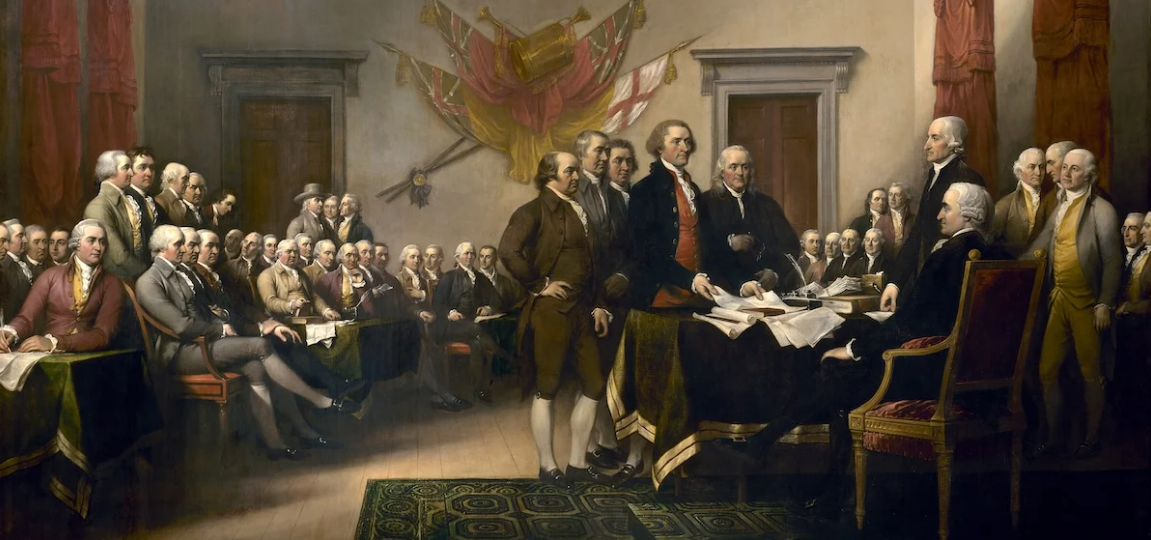
Deliberative Republicanism and the Triumph of the American Founding
Instead of rejecting the moral urgency of the postliberal right and left, it is fitting and proper that we redirect it through the right kind of education—both formal and informal—that can inspire affection for our Constitution.
.jpg)