Revival: Americans Heading Back to the Hinterlands


Smaller communities throughout the country are poised to play an outsize role in forging our future.
This is the second of a two-part series on the Great Dispersion of Americans across the country. Read the first installment here.
The famous New Yorker magazine cover showing much of civilization ending at the Hudson River, save for Chicago, D.C., and then the West Coast, had more than a grain of truth for much of the 20th century. The term “flyover country” was not just a snobbish put-down but a reality as a handful of core cities – New York, Chicago, Los Angeles, and San Francisco – exerted oversized influence over America’s culture, politics, and economy, with rural communities and smaller cities playing a relatively marginal role in the national drama.
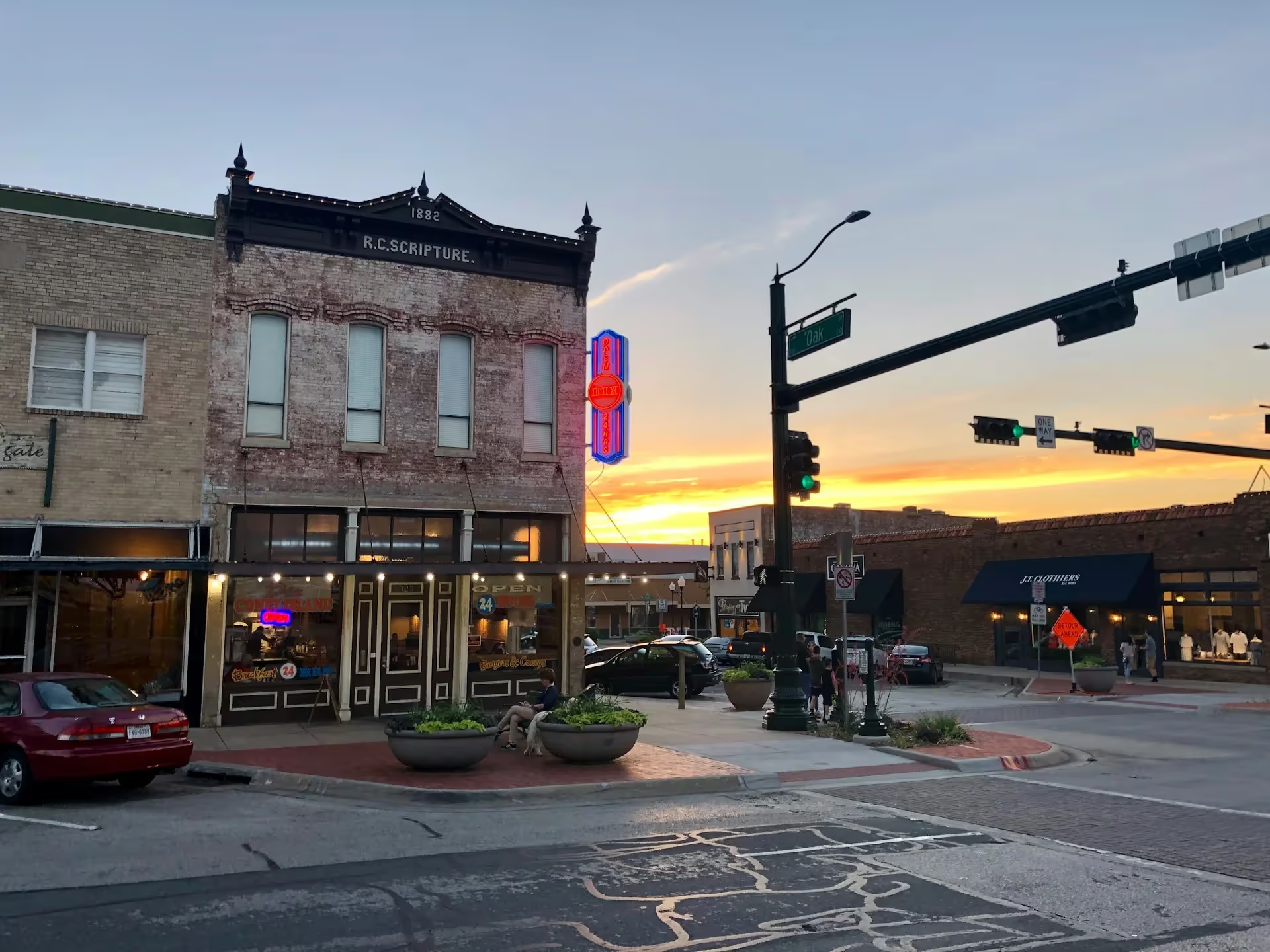
The early decades of the 21st century have altered America’s geographic reality. Moribund small cities have come back to life. Two decades ago, downtown Fargo, North Dakota, was dull and somewhat derelict. Now it boasts loft apartments, a fine boutique hotel, and a panoply of cultural attractions, including art studios and dance venues. Since 2010, about 14,000 Americans have moved to its metropolitan area. That total is small, but it reflects the experiences of many other once withering communities that are attracting people from larger urban centers. The Fargo metro area added nearly double the number of net domestic migrants as the nearest large metro area, Minneapolis-St. Paul, which is 15 times larger.
Some of this can be traced to considerably lower housing prices, which allows millennials to be on their own much earlier; only 5% of millennials in the Great Plains states live at home, less than half the percentage in California, New York, and New Jersey. It’s also a result of a new wealth created by tech, manufacturing, and other industries seeking to reduce costs in less-regulated, less expensive areas where more people are willing to relocate.

Pursuit of Happiness
The Rise of Latino America
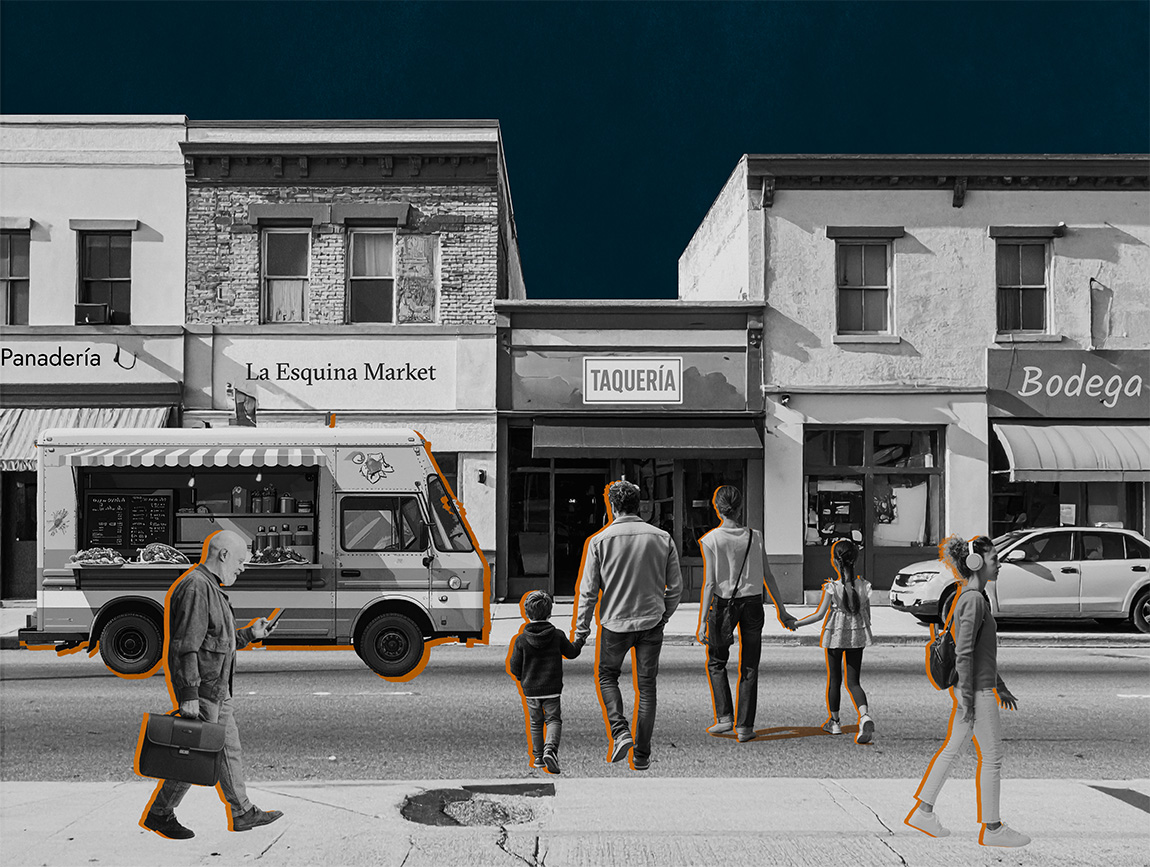
In The Rise of Latino America, Hernandez & Kotkin argue that Latinos, who are projected to become America’s largest ethnic group, are a dynamic force shaping the nation’s demographic, economic, and cultural future. Far from being a marginalized group defined by oppression, Latinos are integral to America’s story. They drive economic growth, cultural evolution, and workforce vitality. Challenges, however, including poverty, educational disparities, and restrictive policies, threaten their upward mobility. Policymakers who wish to harness Latino potential to ensure national prosperity and resilience should adopt policies that prioritize affordability, safety, and economic opportunity over ideological constraints.











Spielberg’s Empty Hope
'Disclosure Day' should have been called 'Hope and Change,' or rather 'Change and Hope.'
.jpg)
Deliberative Republicanism and the Triumph of the American Founding
Instead of rejecting the moral urgency of the postliberal right and left, it is fitting and proper that we redirect it through the right kind of education—both formal and informal—that can inspire affection for our Constitution.
.jpg)