The Next Californias

Colorado, Washington, and Oregon have adopted many of the policies contributing to the Golden State’s decline.
Not long ago, Colorado, Washington, and Oregon were widely hailed as states with bright futures. For decades, they attracted scores of out-of-state migrants, turning Denver, Seattle, and Portland into celebrated urban hubs.
But that changed as these states began adopting the very policies—above all on energy, housing, and regulation—that many newcomers had fled from in California. Once politically purple, Colorado, Washington, and Oregon have turned solid blue, embracing the same agenda that even the New York Times concedes has turned “the California dream” into “a mirage.”
True, Colorado, Washington, and Oregon have yet to reach California’s levels of dysfunction. Yet each shows signs suggestive of the Golden State’s experience, including lower job growth, sluggish housing-construction rates, a deteriorating business climate, and surging domestic out-migration.

Pursuit of Happiness
The Rise of Latino America
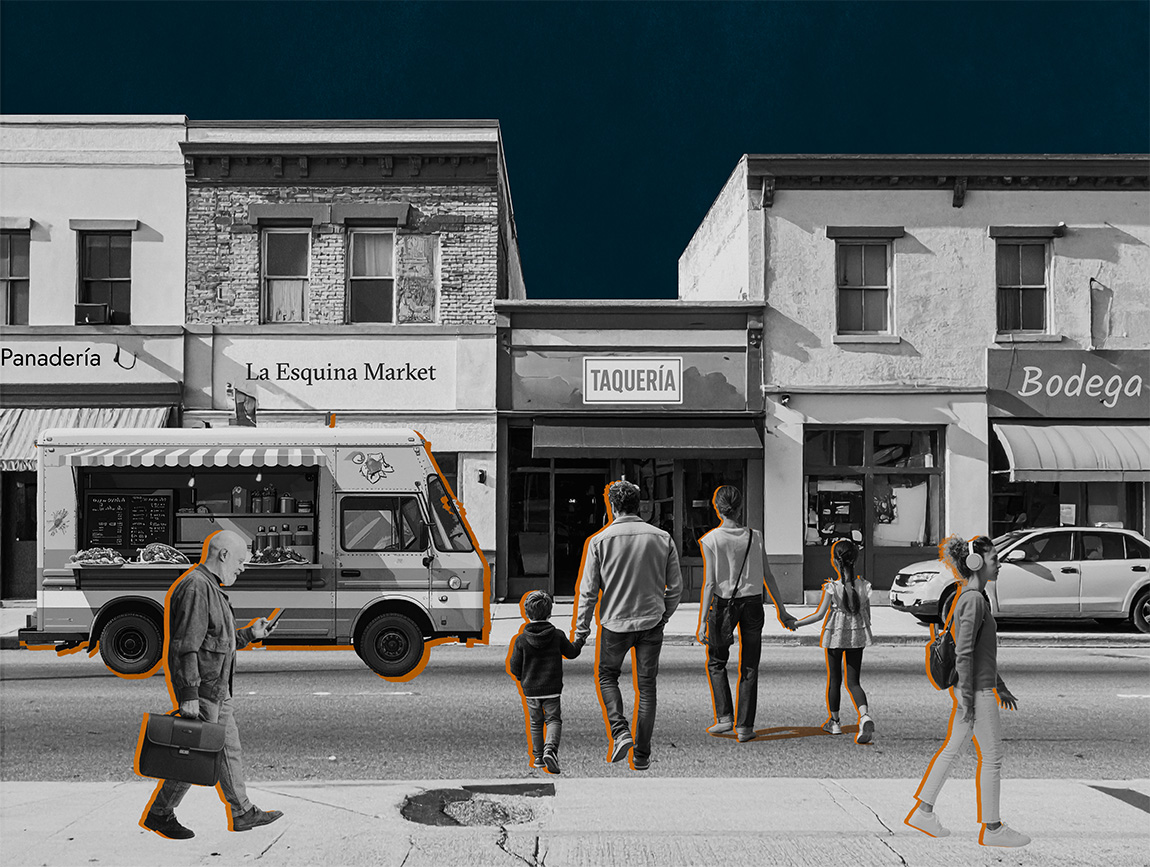
In The Rise of Latino America, Hernandez & Kotkin argue that Latinos, who are projected to become America’s largest ethnic group, are a dynamic force shaping the nation’s demographic, economic, and cultural future. Far from being a marginalized group defined by oppression, Latinos are integral to America’s story. They drive economic growth, cultural evolution, and workforce vitality. Challenges, however, including poverty, educational disparities, and restrictive policies, threaten their upward mobility. Policymakers who wish to harness Latino potential to ensure national prosperity and resilience should adopt policies that prioritize affordability, safety, and economic opportunity over ideological constraints.




.jpg)





.jpg)
The Declaration Is a Metaphysical and Political Triumph
It is the nature of genuinely lasting great texts that we observe new things in them that fit our moment.
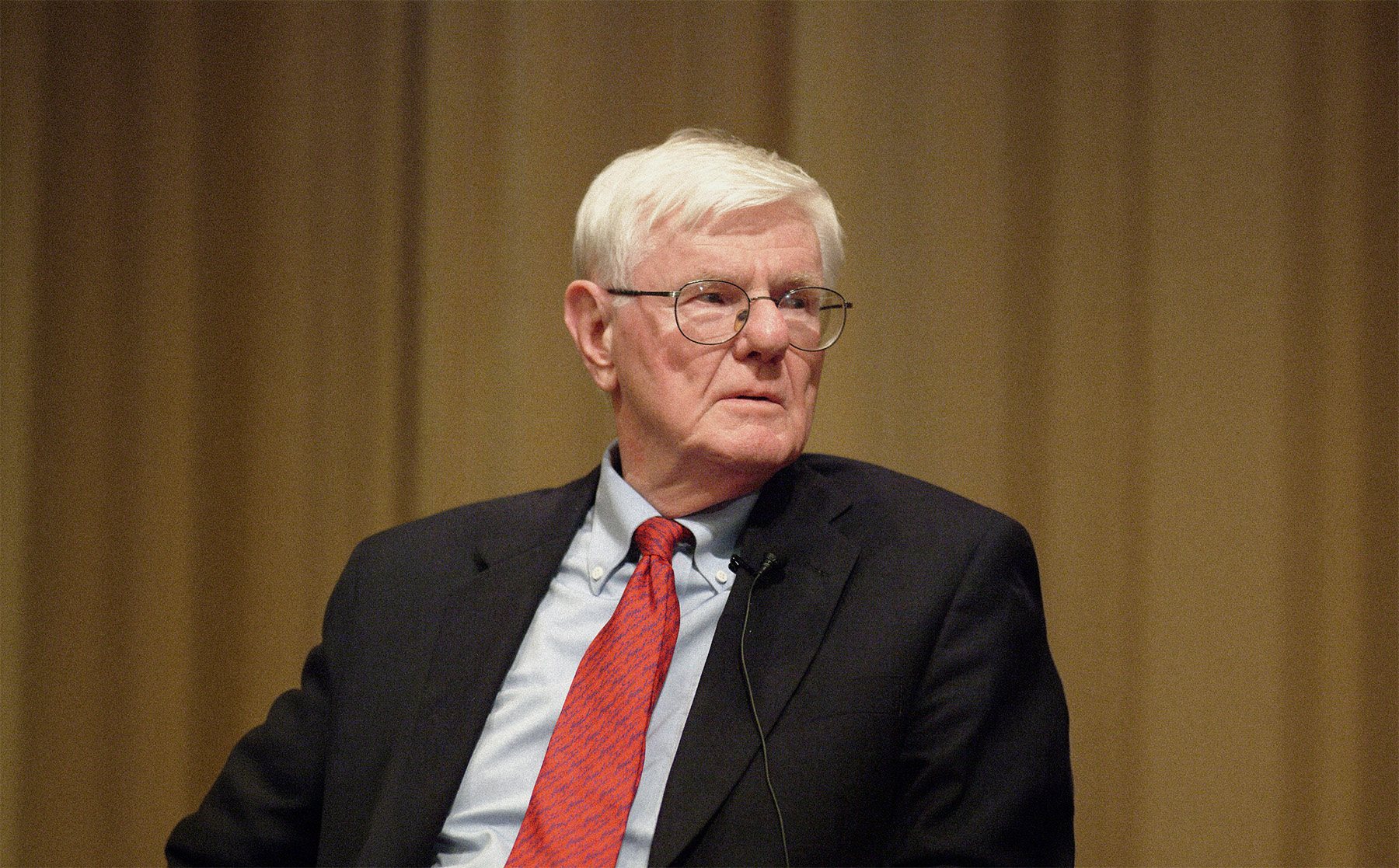
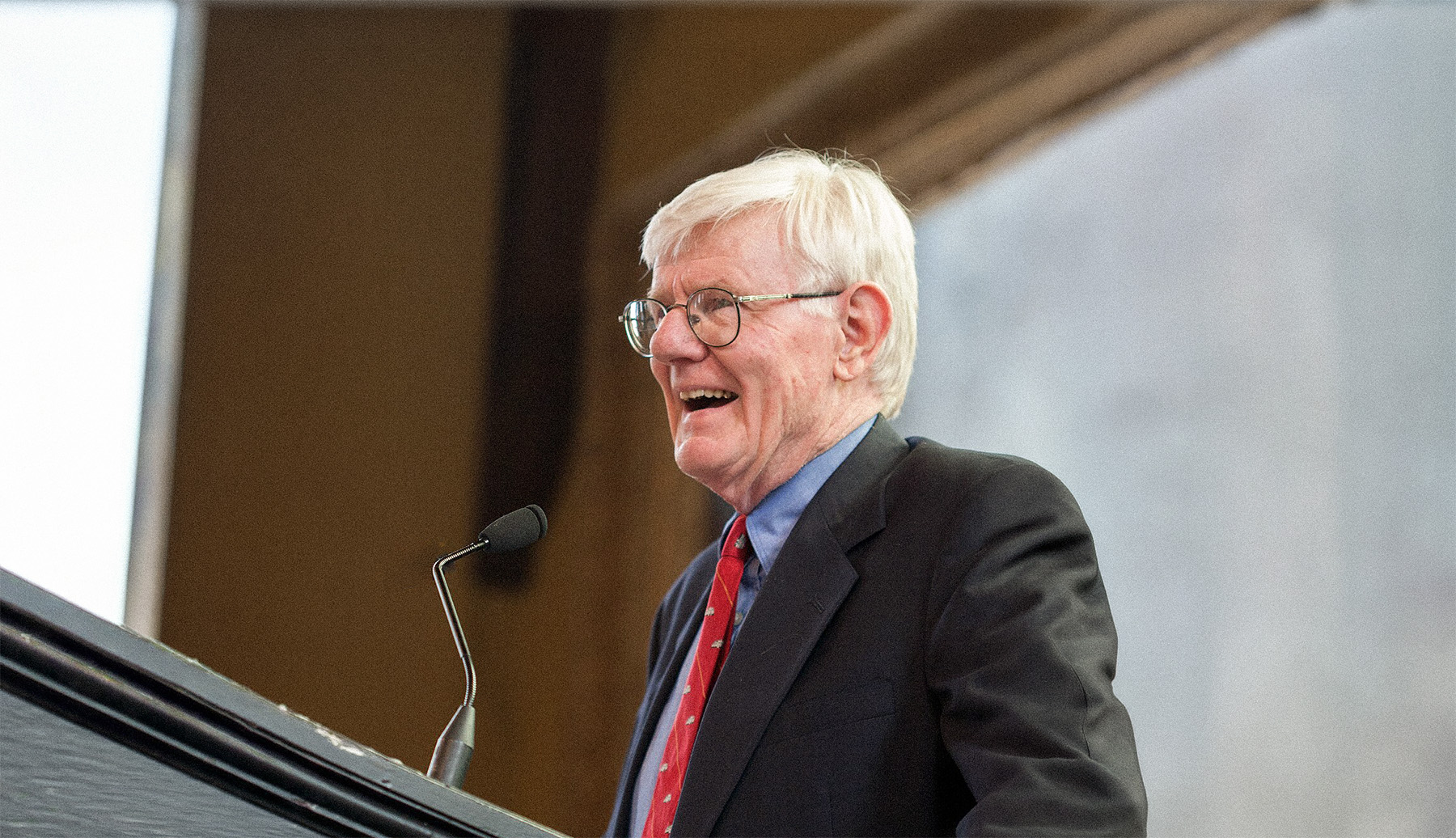
Gordon S. Wood's American Revolution
Widely acknowledged as the pre-eminent historian of the American Founding in our time, Wood was virtually without peer within academic American history today.