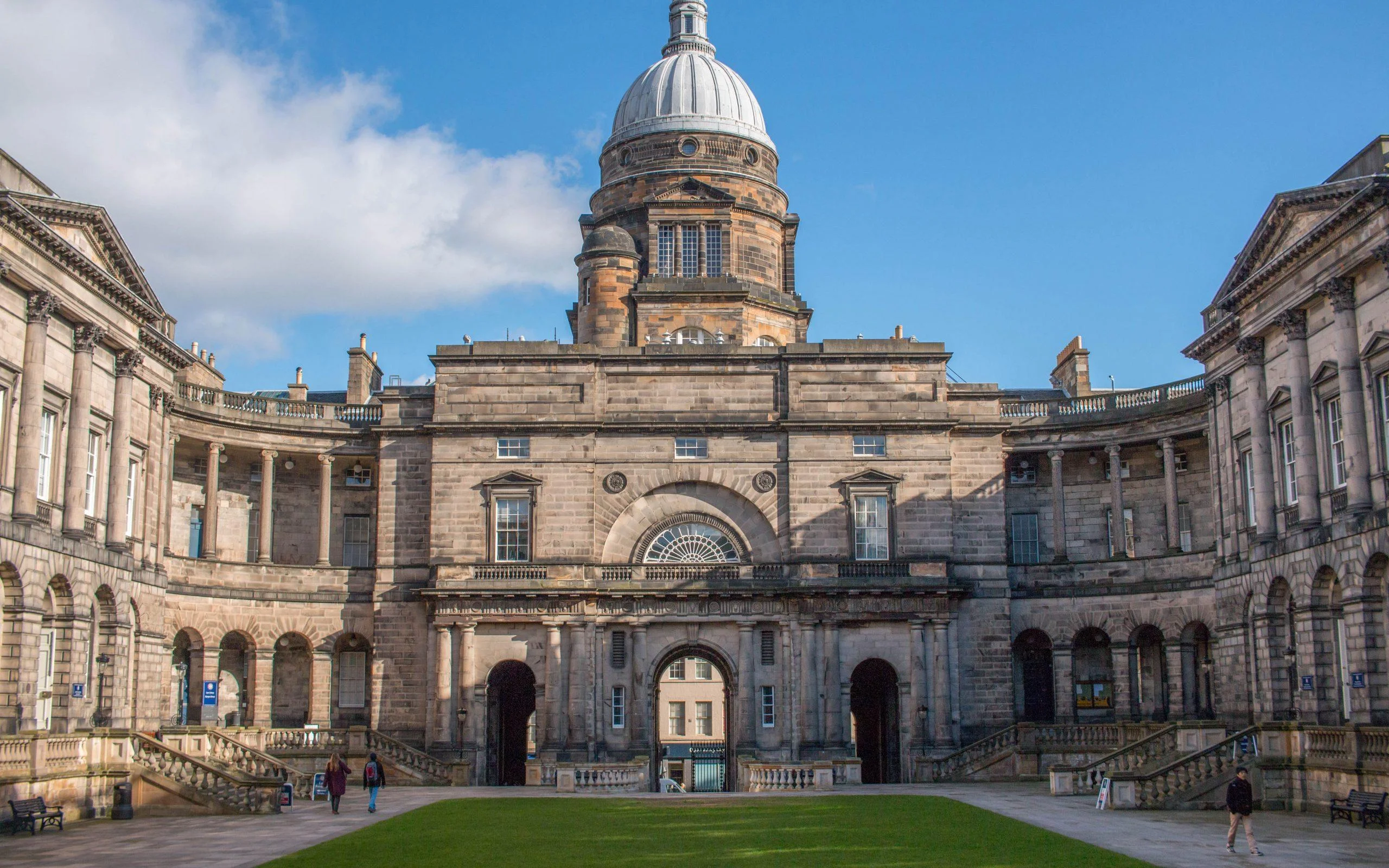
Politics and the Possibility of the Humanities

The ultimate purpose of a university is inquiry into human life and the natural world.
Those of us who work in the traditional humanities have spent most of our time engaging critiques from the hard left. We now find the humanities and the universities that house them under attack from voices on the hard right, using arguments that echo their ideological opposites. They claim that power and force are life’s deepest truths, that our society is a conflict in which we can only have friends and enemies. Force wins this conflict; weakness and compromise lose it. And only the naïve, weak, or unjust claim that such conflict can or should be escaped — or that political efforts should be set aside for reading and discussion.
Universities are deeply corrupt and unjust actors in this political conflict, they continue. Since past efforts at reform have failed to bear fruit — the Ivy League resists both conservative intellectual capture and proposals to divest from Israel — they must be destroyed. What will replace them? Well, these critics admit, we aren’t entirely sure, but we need to destroy them to find out. With slight modification, this line of argument could come from a senior editor at The Federalist or a student pitching a tent in front of Butler Library.
These critiques made me recall a conversation I had with Columbia undergraduates in the fall of 2024. After the spring encampments and police action, it seemed like a good opportunity to discuss protest, academic freedom, and the university's purpose. We read together Columbia historian Richard Hofstadter’s famous 1968 commencement address, as well as a more recent essay on academic speech by Stanley Fish. Both argue that the ultimate purpose of a university is inquiry into human life and the natural world. If this is so, then the rest of the university’s life needs to be organized toward the attainment of that end, and it must move away from and actively prohibit things that inhibit this inquiry — including, Fish specifies, certain forms of occupation and protest.
The student response was divided. That evening, we had a small group of earnest progressive students, one or two in keffiyehs, who argued that universities cannot escape politics. All aspects of education are political, they claimed, from choosing to teach masterpieces of Western culture — as Columbia does in its core curriculum — to investments that finance global wars. And it would be foolish and unjust to claim that these political actions can be overlooked or bracketed for the sake of our learning.
In response, other students came to the defense of liberal education. Yes, universities have a political aspect; they grant degrees, but their purpose is ultimately to inquire into what makes human beings flourish. And to engage in such inquiry, we must step back from political activity. Moreover, these students underscored the hubris of coming to college and thinking that you know everything. They saw danger in trying to change the world before taking time to reflect.
This exchange helps us understand and respond to the political critique of the humanities. First, we should grant what is true in it. Despite their imperfections, existing universities are the institutions most apt to remain the torchbearers for humanistic inquiry at the highest level. Power and politics play undeniable roles in human life, and universities are political. Those of us who value the humanities should seek to support and defend them via political means, both internally and externally.
Internally, this means hiring faculty and funding departments, programs, and schools that promote rigorous scholarship and teaching. The end goal should not be producing students of a particular party, but students who have studied great works of human culture under the guidance of faculty who love both the students and the works. The creation of new schools and initiatives dedicated to civics and statesmanship is one example of this, though ideally, such programs would be more expansively humanistic in orientation. After all, humanistic inquiry is aimed not just at making good citizens, but at human beings who know and love truth in many forms. Thankfully, we find ourselves at a moment when the appetite for such programs is great among university trustees, state legislatures, and curious students. As the author of Ecclesiastes would say, it is a time to build up.
Externally, those who care about universities should be eager to defend their fundamental mission of inquiry and to hold them accountable when they have strayed from it. Federal and state governments should ensure that their funding is directed to efforts that promote humanistic inquiry, not ape or hinder it. Furthermore, when applied prudently, external pressures can create new opportunities for those looking to make internal reforms. It is hardly a coincidence that we continue to hear anecdotes about new courses being created to balance a college’s catalog, or about funds being redirected away from ideological initiatives toward measures that protect and foster humanistic inquiry.
At the same time, like my students on that fall night in 2024, we must remind the humanities’ critics that humanistic and scientific inquiry are goods in and of themselves, whatever other instrumental benefits they can bring. The humanities matter because they are a great way to pursue truth, beauty, and goodness, for which we human beings were made. They offer pleasures that endure, even if cultivation is required to enjoy them. They are also important human activities that we must undertake as finite, rational beings. We want to understand and flourish, yet we undermine our knowledge and happiness. We need to read great literature and philosophy because we do not know everything and are blinded by our own interests and prejudices. We can acquire wisdom and hone our minds by encountering great books and works of art from across time.
As Zena Hitz argues so well in her book Lost in Thought, we must step back from the struggle for power and prestige in order to engage in this kind of inquiry. We must accept that our knowledge is partial and might be completed or corrected by interlocutors who are otherwise our political opponents. Over time, I told my students, I had to learn that graduate seminars are not fights or debates to be won, and that even those who are mistaken might teach me how to think with greater clarity and nuance.
If we want not merely to tear down but to build things that will endure, we must take some time to think about what and how we intend to build. Hitz writes: “Something in us loves the spectacle of our own action and reduces our best impulses to narcissistic fantasy.” Narcissistic fantasy is tempting, but ultimately unfulfilling. A good way to combat it is to discuss important human questions with great teachers in a spirit of intellectual friendship.
We must also argue that, to paraphrase my mentor Fr. Richard John Neuhaus, “the first thing to be said about politics is that politics is not the first thing.” Being and love, not power, are the deepest truths in the universe and in human life. Toward the end of that discussion in 2024, I noted that some things can’t be reduced to power without misunderstanding and destroying them. My relationships with my wife and children have a political dimension. They involve persuasion and power. But the realities of those relationships are deeper and more meaningful than their power dynamics. Seeing marriage and fatherhood simply as hegemony leaves you blind to their sacrifices and deep joys. Living as if they were only about power would vitiate them. The same is true of the humanities.
Nathaniel Peters is the Director of the Morningside Institute and a contributing editor at Public Discourse. This essay is adapted from a presentation at a gathering of the National Association of Scholars.

Pursuit of Happiness

The Rise of Latino America
In The Rise of Latino America, Hernandez & Kotkin argue that Latinos, who are projected to become America’s largest ethnic group, are a dynamic force shaping the nation’s demographic, economic, and cultural future. Far from being a marginalized group defined by oppression, Latinos are integral to America’s story. They drive economic growth, cultural evolution, and workforce vitality. Challenges, however, including poverty, educational disparities, and restrictive policies, threaten their upward mobility. Policymakers who wish to harness Latino potential to ensure national prosperity and resilience should adopt policies that prioritize affordability, safety, and economic opportunity over ideological constraints.











Spielberg’s Empty Hope
'Disclosure Day' should have been called 'Hope and Change,' or rather 'Change and Hope.'
.jpg)
.jpg)

