
Silicon Valley is pivoting away from Trump

As the dominant economic and social force of our time, a handful of Silicon Valley-based companies shape our politics more than we’d like to admit.
As the dominant economic and social force of our time, a handful of Silicon Valley-based companies shape our politics more than we’d like to admit. These tech oligarchs are not ideological, but instead are motivated by what Lord Palmerston referred to as “permanent interests”. Controlling state power, or constraining it from undesirable intrusions, often requires flexible politics.
After all, today’s tech billionaires lead what are effectively global nation-states. Last summer, Nvidia became the world’s first $4 trillion company, making it more valuable than 97% of the world’s economies and all of the world’s military spending. By September last year, the combined profits of the 10 most profitable tech companies were so vast that, if treated as a country, they would rank as the world’s third-largest economy, ahead of Japan.

Pursuit of Happiness

The Rise of Latino America
In The Rise of Latino America, Hernandez & Kotkin argue that Latinos, who are projected to become America’s largest ethnic group, are a dynamic force shaping the nation’s demographic, economic, and cultural future. Far from being a marginalized group defined by oppression, Latinos are integral to America’s story. They drive economic growth, cultural evolution, and workforce vitality. Challenges, however, including poverty, educational disparities, and restrictive policies, threaten their upward mobility. Policymakers who wish to harness Latino potential to ensure national prosperity and resilience should adopt policies that prioritize affordability, safety, and economic opportunity over ideological constraints.













Spielberg’s Empty Hope
'Disclosure Day' should have been called 'Hope and Change,' or rather 'Change and Hope.'
.jpg)
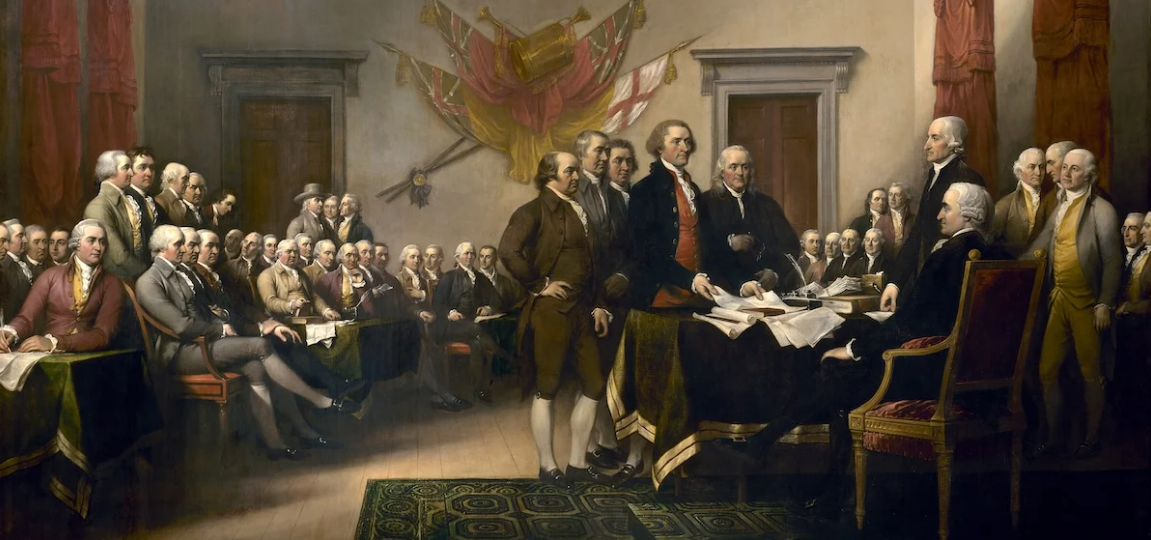
Deliberative Republicanism and the Triumph of the American Founding
Instead of rejecting the moral urgency of the postliberal right and left, it is fitting and proper that we redirect it through the right kind of education—both formal and informal—that can inspire affection for our Constitution.
.jpg)