Birthright, Free Speech, and War: Law Talk Live at UT Austin
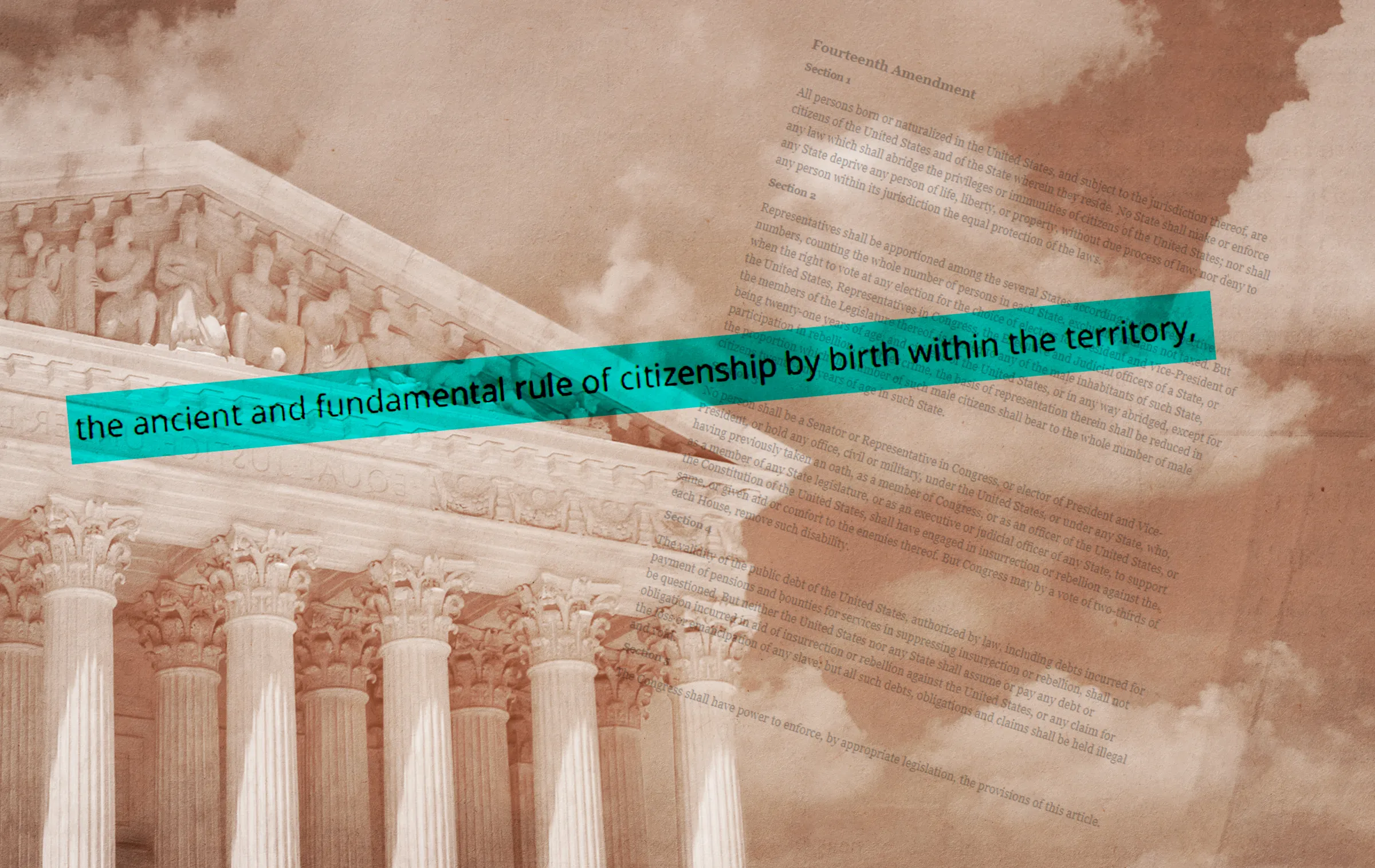
In this episode of Law Talk Live—recorded at the University of Texas at Austin and hosted by the Civitas Institute—Charles C. W. Cooke, John Yoo, and Richard Epstein debate some of the most contentious constitutional questions of the moment. The panel examines the future of birthright citizenship in light of recent Supreme Court arguments, the tension between free speech and professional regulation in a major First Amendment case, and the legal and moral framework governing modern warfare, including what counts as a war crime. Blending sharp disagreement, historical insight, and a dose of humor, the conversation explores how precedent, originalism, and real-world pressures collide when the Constitution is pushed to its limits.
.webp)
Constitutionalism
Amicus Brief: Hon. William P. Barr and Hon. Michael B. Mukasey in Support of Petitioners
Former AGs Barr and Mukasey Cite Civitas in a SCOTUS Brief
Rational Judicial Review: Constitutions as Power-sharing Agreements, Secession, and the Problem of Dred Scott
Judicial review and originalism serve as valuable commitment mechanisms to enforce future compliance with a political bargain.
.avif)





.png)
.png)
.png)
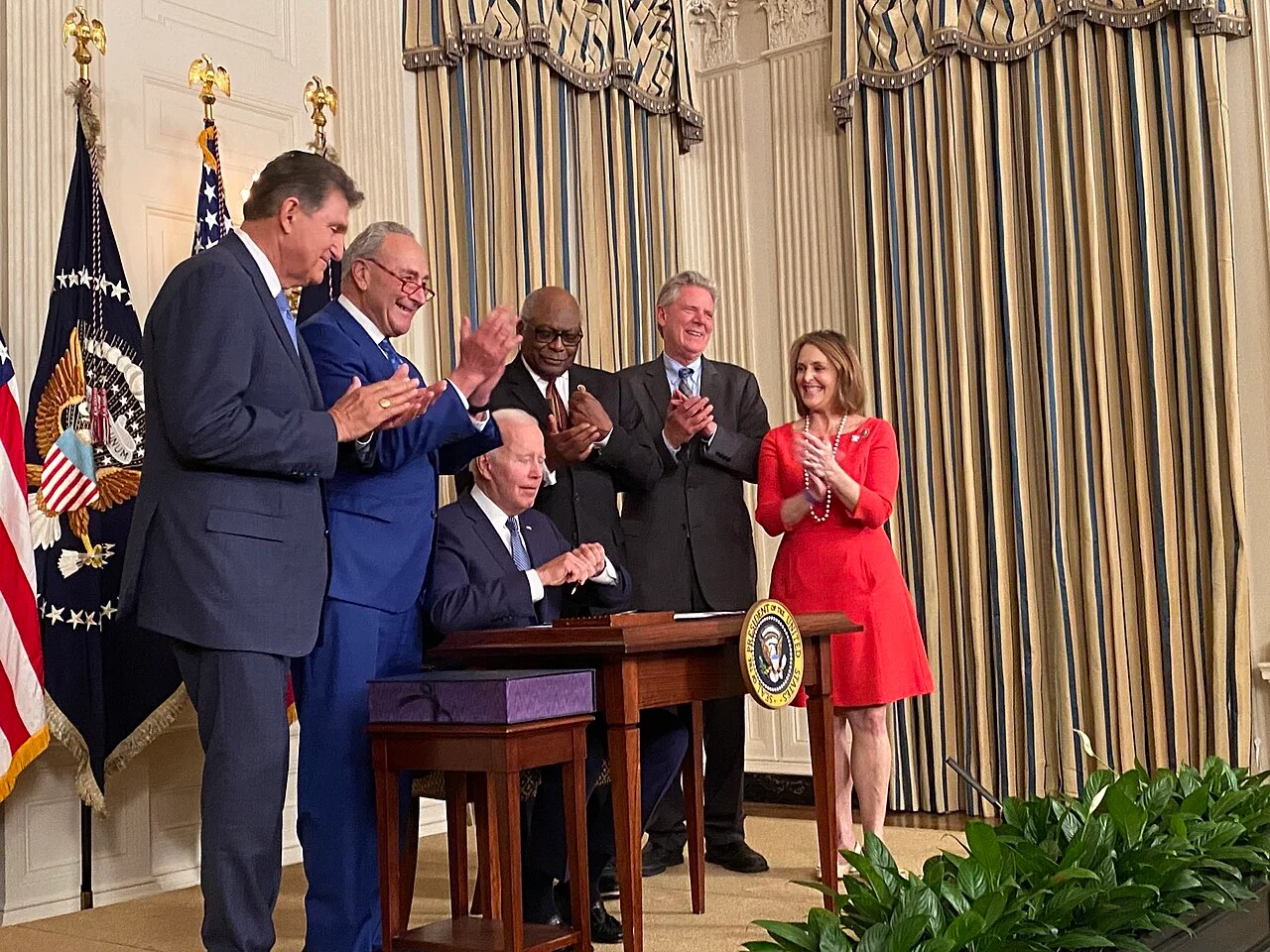
The Fifth Circuit’s Chance to Expose the Inflation Reduction Act’s Unconstitutionality
Despite the mounting evidence of harm, the Medicare Drug Price Negotiation Program remains law — and the Justice Department continues to defend it in federal court.


Get the Civitas Outlook daily digest, plus new research and events.