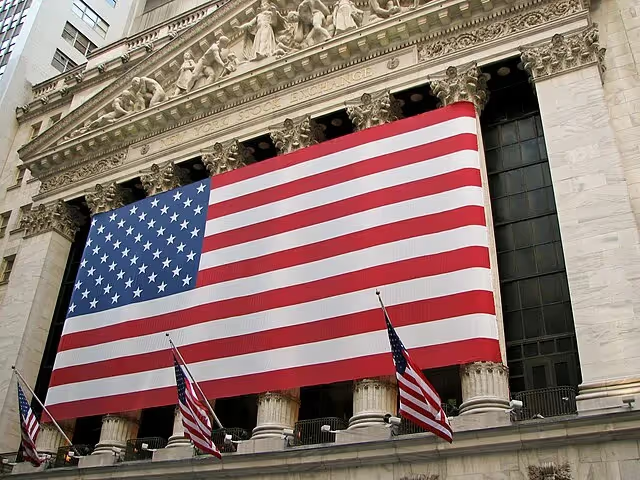
Saving Free Markets in America


American markets are under siege by interventionists on both the left and the right.
America is now in a moment of choosing. Our markets are under siege from interventionist proposals on both the left and right, coupled with impending fiscal, entitlement, and regulatory crises bequeathed by a legacy of such policies. They also face threats from identity politics as manifested in environmental, social, and governance (ESG) investing and the push for diversity, equity, and inclusion (DEI). Despite recent setbacks, these movements have set down deep roots in corporate America, academia, and government. Failure to confront these challenges on the level of political economy will turn America into a different kind of nation. The country will still exist, of course, but absent a dynamic capitalist economy, the republic of freedom and opportunity it has represented for two and a half centuries will be lost.
The problems plaguing free markets today come in different forms. There are the conventional afflictions of an overweening state, which include government overspending, excessive and arbitrary state interventionism, and out-of-control deficits and public debt. These issues curb American ambition and independence, imprisoning us in our failure to control our government as it spends money far beyond its revenues.
Other afflictions facing American markets are of a moral and cultural character; they weaken the entrepreneurial spirit upon which market capitalism relies. Entitlement spending, for example, has ballooned over the past four decades, particularly in the means-tested category. This raises the question: Have we effectively decided that the fundamental norm of standing on one's own two feet no longer applies to entire segments of the American citizenry? If so, then America will continue its slide into becoming just another European-style social democracy opting for managed decline.

Economic Dynamism
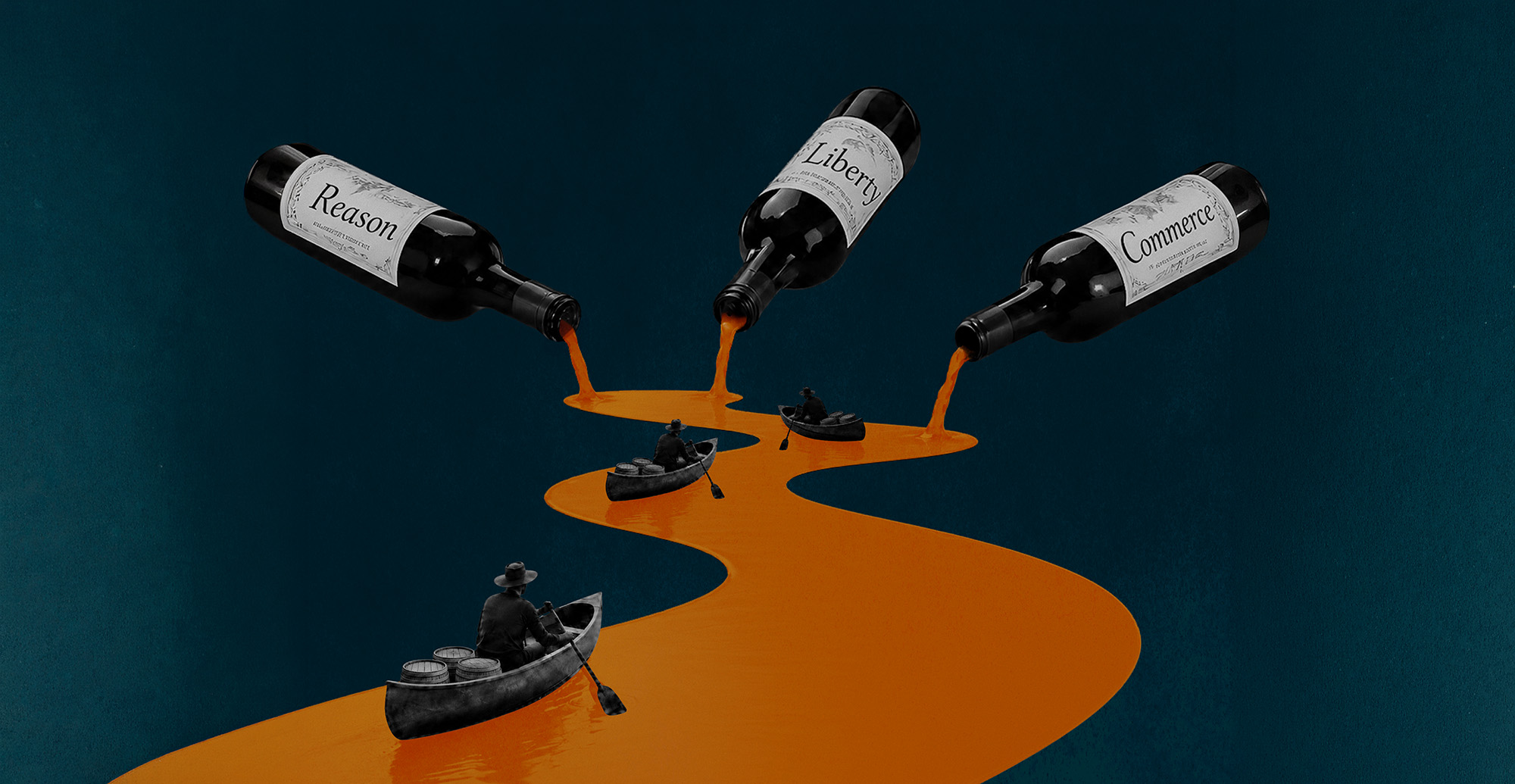
The Wine and Commerce Symposium
The Western tradition’s great thinkers have long recognized wine as a symbol for the beguilement of reason. But if wine warps reason, they recognized how it can also enable reliable reason in our analysis of regimes.

.jpg)

.jpg)

.jpg)


Social Mobility Wins
When people live within an environment offering good jobs, good education, social networks, and a culture of self-improvement and hard work, they experience progress in a way that undercuts the philosophical rationale that socialists need to justify the policies they advocate.
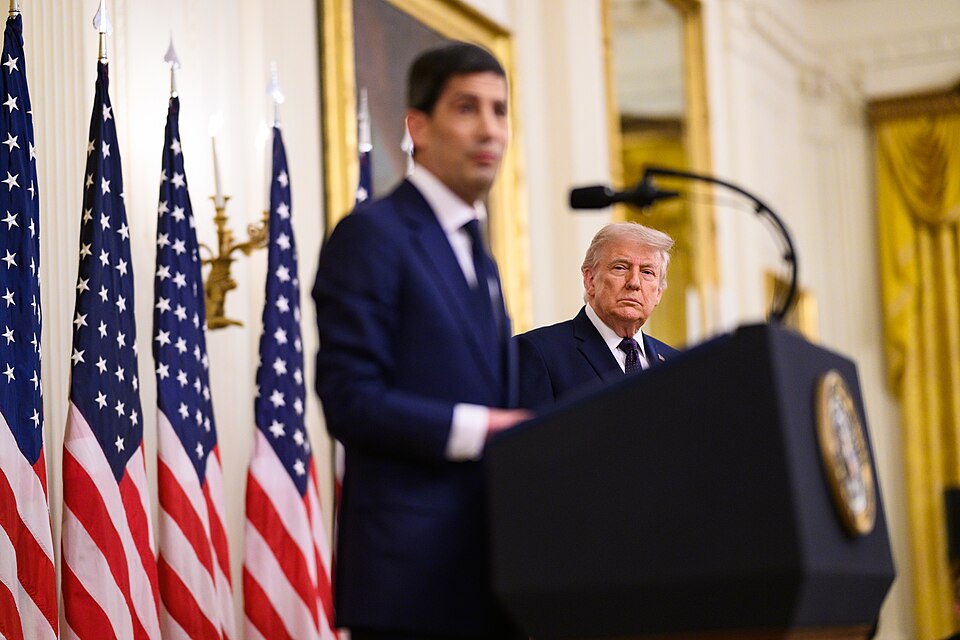
Kevin Warsh and the Future of Fed Communication
Warsh is right that the Federal Reserve should not speak so loudly that it hears only its own echo.