Have Argentinians Finally Had Enough of Peronism's Old Tricks?

Milei faces a daunting challenge: to lead profound change while maintaining public support. Only time will tell whether he is up to the task.
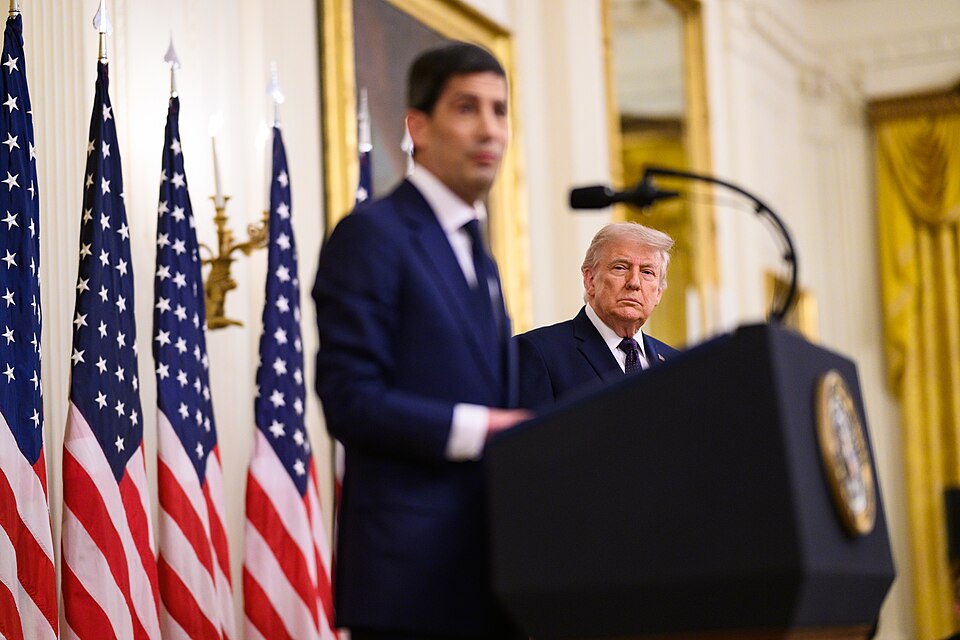
On Sunday, October 26th, President Javier Milei received a resounding show of support from the Argentine people. Nobody — not even Milei’s inner circle — thought a win was possible. Despite the restored macroeconomic order, falling inflation, and a stronger peso, ordinary people continue to struggle in their daily lives. The warning signs were there: just a month earlier, on September 7th, Milei’s party La Libertad Avanza suffered a disastrous loss in Buenos Aires Province, trailing Axel Kicillof’s Peronists by a staggering 16 points. The result seemed to foreshadow yet another overwhelming left-wing comeback — a return to Argentina’s old habits.
The results were catastrophic: the peso lost almost 5 percent of its value against the U.S. dollar, Argentine shares plunged 24 percent on Wall Street, and the country risk index soared nearly 200 points.
The shock strengthened Peronist and other opposition legislators, who saw the turmoil as the perfect moment to lift President Milei’s vetoes on laws that deepened the fiscal deficit. Meanwhile, the media began portraying a government that looked groggy and off balance, facing two long years still ahead in office. But, unbeknownst to all of them, Argentinians proved we had enough. The old Peronist tricks that once worked so well now look about as effective as Wile E. Coyote’s.
To understand what happened last Sunday — and what’s happening in Argentina — it’s worth recalling where we come from.
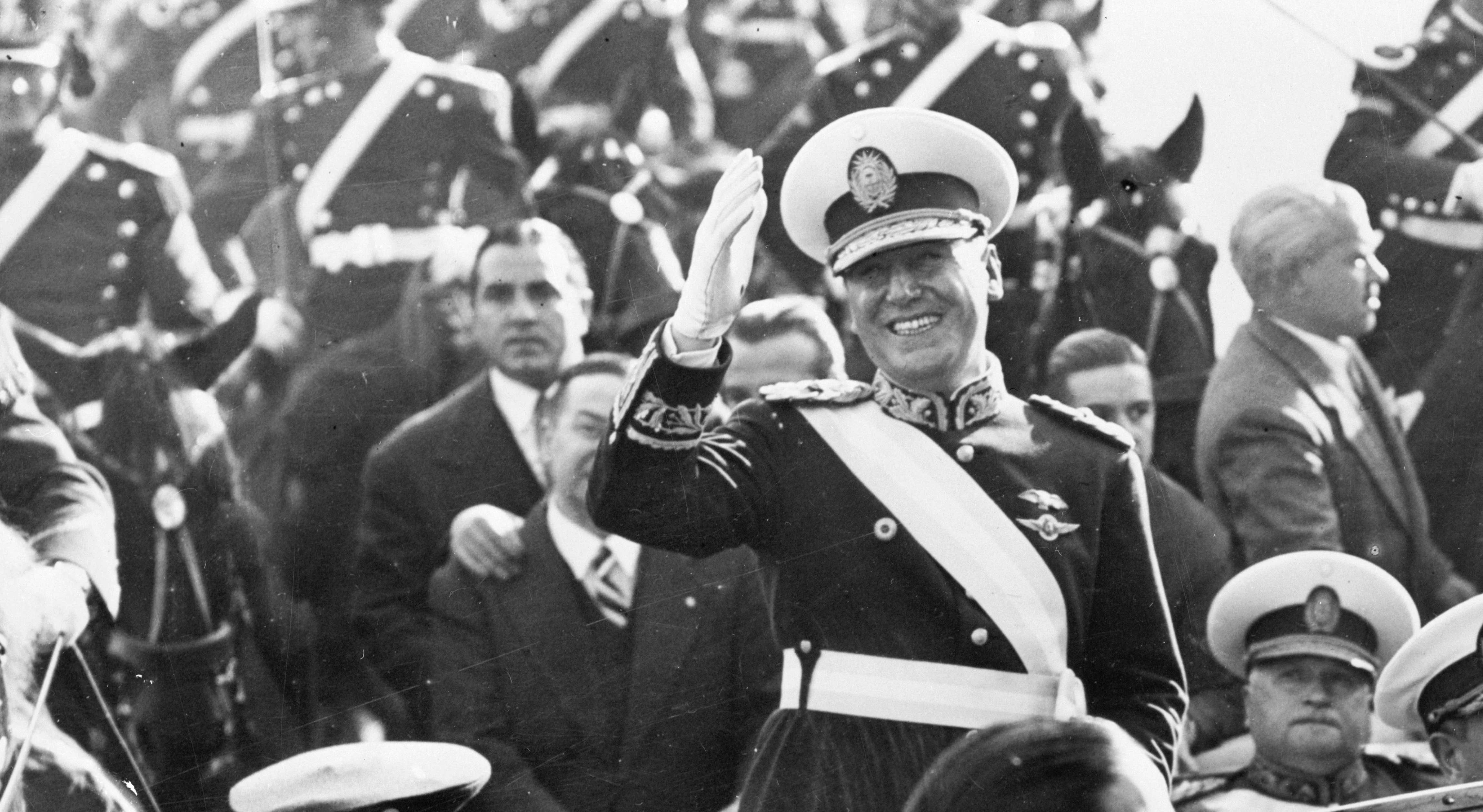
Juan Domingo Perón was a general who rose to prominence through his roles in authoritarian regimes. As a young captain, he took part in the 1930 coup that overthrew Hipólito Yrigoyen’s government. By 1943, as a colonel, he was a key figure in the GOU, a military clique that seized power through yet another coup. During that period, Perón became Secretary of Labor and later Vice President — positions that gave him popular visibility. When internal rivalries forced him out, mass mobilization in his defense propelled him to the presidency.
During the 1940s and ’50s, Perón’s far-right populism won him devoted followers and bitter enemies. His authoritarian rule — including imprisonment and torture of opposition leaders — eventually collapsed under its own contradictions. Even so, Peronists have long claimed that “the fascists” ousted him because he gave a voice to the people.
After the Revolución Libertadora overthrew him, Perón’s myth grew even larger in exile. In the 1970s, after engineering President Cámpora’s fall, he returned to power for a third term — only to leave behind, upon his death, the Alianza Anticomunista Argentina (AAA), a paramilitary force that pioneered the state terrorism later institutionalized by the 1976 dictatorship. Peronists, of course, still insist Perón opposed the AAA — despite having signed its founding decree.
The failed neoliberal experiment of the 1990s — led by Peronist President Carlos Menem and followed by radical Fernando de la Rúa — paved the way for the rebirth of Peronism. The political class crafted a convenient narrative: unemployment, poverty, and social unrest were all blamed on “laissez-faire” liberalism. The story wasn’t true, but it worked. Once Peronist Eduardo Duhalde took power, the myth of a benevolent, ever-present State was reborn — and with it came the Kirchners.
For the next 20 years, that tale resonated deeply. Any attempt to shrink government, limit spending, or reform social-aid programs was punished at the polls. Meanwhile, debt, inflation, and unemployment kept rising — and the Peronists blamed everyone but themselves. But eventually, people had had enough.
Despite eight decades of anti-market preaching, Argentinians decided to take a chance on Milei — a TV-economist-turned-politician whose anti-state crusade was summed up in the catchy slogan “¡Viva la Libertad, carajo!” (“Long live freedom, damn it!”).
As soon as Milei took office, the Peronists reached for every trick in their book to tarnish him: strikes, street chaos, corruption accusations, even alleged links to drug trafficking. But this time, the old playbook isn’t working quite as it used to.
Argentina’s voters seem to have understood something that took nearly a century to learn: Populism dressed as compassion is still a form of control and dependence disguised as equality is still dependence. For the first time in decades, people are willing to endure short-term pain to escape a long-term illusion.
Whether Milei’s government can truly deliver on its promise of “freedom” remains to be seen. Institutions are fragile, old networks are resilient, and the temptations of populism — left or right — are always waiting. But the election of 2025 may come to mark a turning point: the moment when Argentina, weary of its own circular history, finally begins to look forward instead of back.
While I remain skeptical about the future — I’ve lived in Argentina long enough to know better than to nurture big hopes — last Sunday’s election might at least send a clear message to our political class: we want the reforms they’ve been denying us for decades.
A long-overdue labor reform is essential if we are to stand a real chance at progress, given that our current labor laws date back to 1933. Likewise, a serious tax reform is crucial — one that can fund the State without crushing citizens’ incomes.
In any case, change is unavoidable if we genuinely want things to change. The advice applies to both the government and the Peronists.
Perhaps the real question isn’t whether Argentinians have had enough of Peronism’s tricks — but whether we’ve finally had enough of being fooled by our own hopes.
Ultimately, Milei faces a daunting challenge: to lead profound change while maintaining public support. Only time will tell whether he is up to the task.
Juan Martín Morando is a labor lawyer who previously served as a Judge of the Labor Court No. 1 of General San Martín in Argentina, a position he held since 2008, and was previously an official in the National Labor Justice. He is currently a Legal Partner for BDO in Argentina.

Economic Dynamism
The Wine and Commerce Symposium
The Western tradition’s great thinkers have long recognized wine as a symbol for the beguilement of reason. But if wine warps reason, they recognized how it can also enable reliable reason in our analysis of regimes.


.jpg)

.jpg)



.jpg)


Social Mobility Wins
When people live within an environment offering good jobs, good education, social networks, and a culture of self-improvement and hard work, they experience progress in a way that undercuts the philosophical rationale that socialists need to justify the policies they advocate.