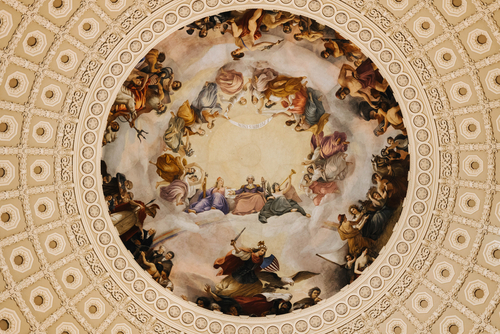
Economics and the Civic Imagination

Clarifying how the disciplines of civic thought and economics might fruitfully intersect will shape how a generation of students will understand the relationship between economic life and democratic citizenship.
The civic thought movement taking root across public universities presents a significant opportunity to renew the meaning of citizenship and prepare students for the responsibilities and challenges of republican self-government. Yet while disciplines such as political theory, philosophy, and history have already assumed a visible place within civic education, the relationship between economics and civics remains comparatively underexplored. This is surprising, because economics was historically, and can once again become, a civic-oriented discipline. Its core concerns have long extended beyond markets narrowly conceived to encompass institutions, moral obligations, cooperation, and the prerequisites for an encompassing notion of human flourishing.
This short piece considers the affinities of economics with the goals of civic education. It first considers the historical roots of economics as a fundamentally civic discipline, before examining the distinctive contribution economic reasoning can make to civic thought. It concludes by reflecting on several practical questions that will shape the future development of “civic economics” within the emerging civics schools.
Read the full article on the American Enterprise Institute's webpage.

Economic Dynamism

The Wine and Commerce Symposium
The Western tradition’s great thinkers have long recognized wine as a symbol for the beguilement of reason. But if wine warps reason, they recognized how it can also enable reliable reason in our analysis of regimes.


.jpg)

.jpg)


.jpg)


Social Mobility Wins
When people live within an environment offering good jobs, good education, social networks, and a culture of self-improvement and hard work, they experience progress in a way that undercuts the philosophical rationale that socialists need to justify the policies they advocate.
Kevin Warsh and the Future of Fed Communication
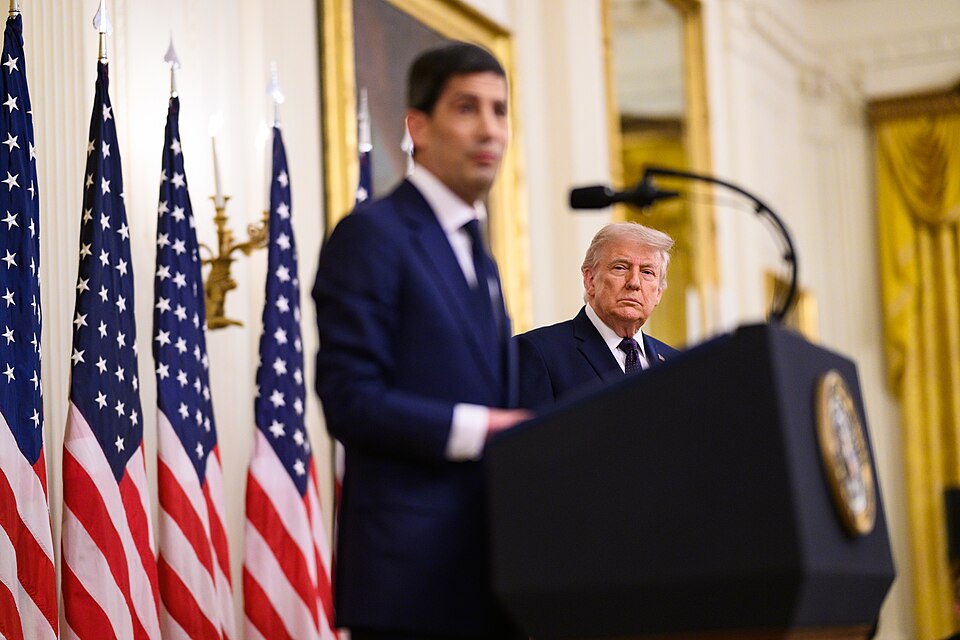
Warsh is right that the Federal Reserve should not speak so loudly that it hears only its own echo.