Poverty and Dependency in the United States, 1939–2023

Poverty was already falling substantially before the creation of the modern social safety net.
In 1964, President Lyndon Johnson declared the War on Poverty. This set in motion the creation of the modern social safety net, including a major expansion of food stamps (now the Supplemental Nutrition Assistance Program), the introduction of Medicaid and Medicare, and later anti-poverty policies such as refundable tax credits. Despite these programs, the official poverty rate has remained largely stagnant for the past half century. This has led some to argue that the War on Poverty has failed. President Ronald Reagan famously declared in his 1988 State of the Union address: “My friends, some years ago, the federal government declared a war on poverty, and poverty won.”
However, researchers have long recognized that the official poverty measure is an unreliable marker of progress because it fails to account for taxes, excludes non-cash benefits, and overstates inflation when adjusting thresholds over time. Research that attempts to address these shortcomings has found that poverty has fallen since the 1960s, but it is unclear whether the modern social safety net was necessary to reduce poverty. While anti-poverty programs provide substantial resources to low-income households, recipients might reduce their earnings and alter family-formation decisions, which could offset the income gains.

Economic Dynamism
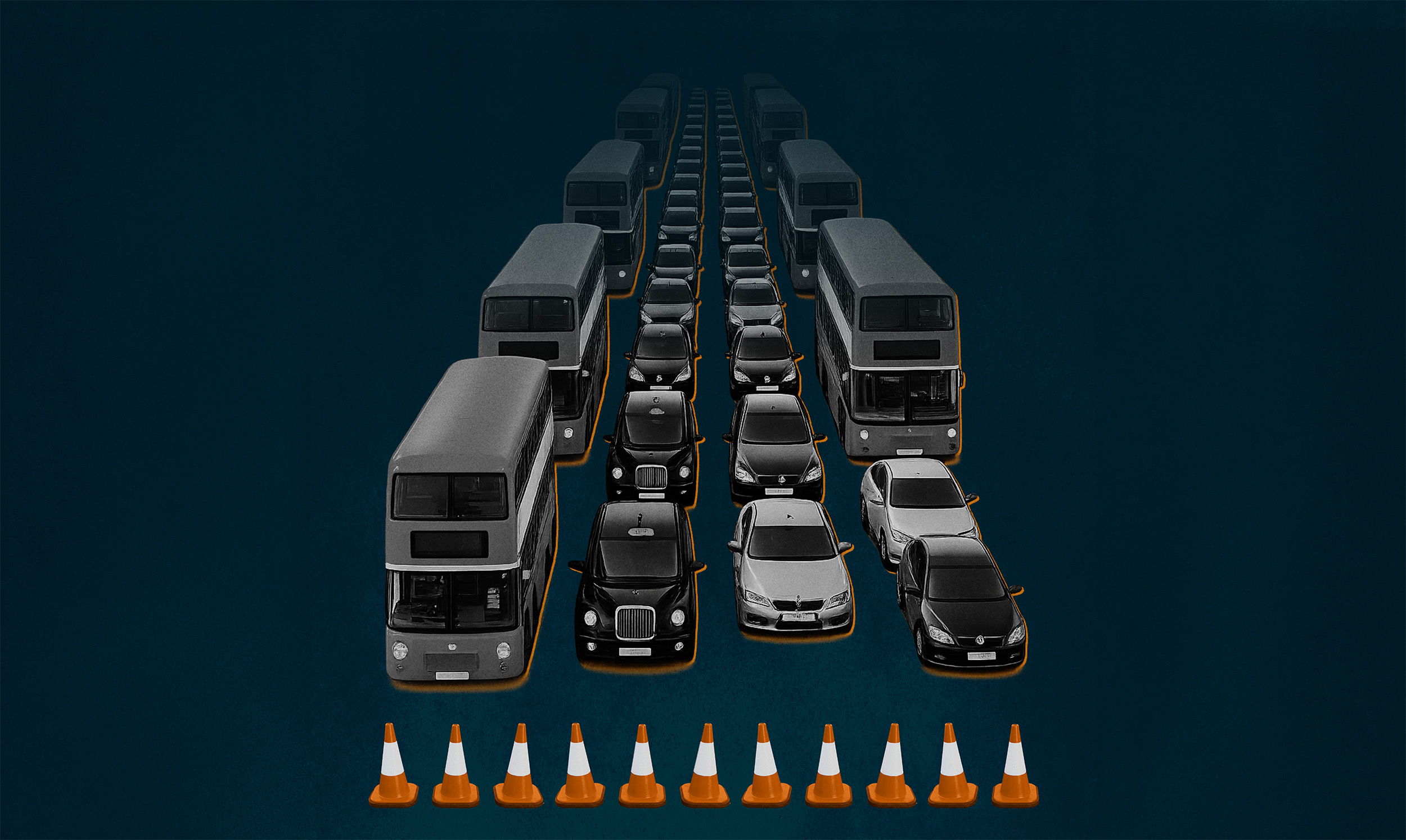
The Price of Stagnation: Britain’s Retreat from Dynamism
We face a basic issue: we do not let cities or communities grow or die.
.jpg)
London and the Architecture of Creative Growth
Preserving London's creative dynamism will require humility from policymakers and a commitment to keeping the city liveable.
.jpg)

.jpg)


.jpg)


Social Mobility Wins
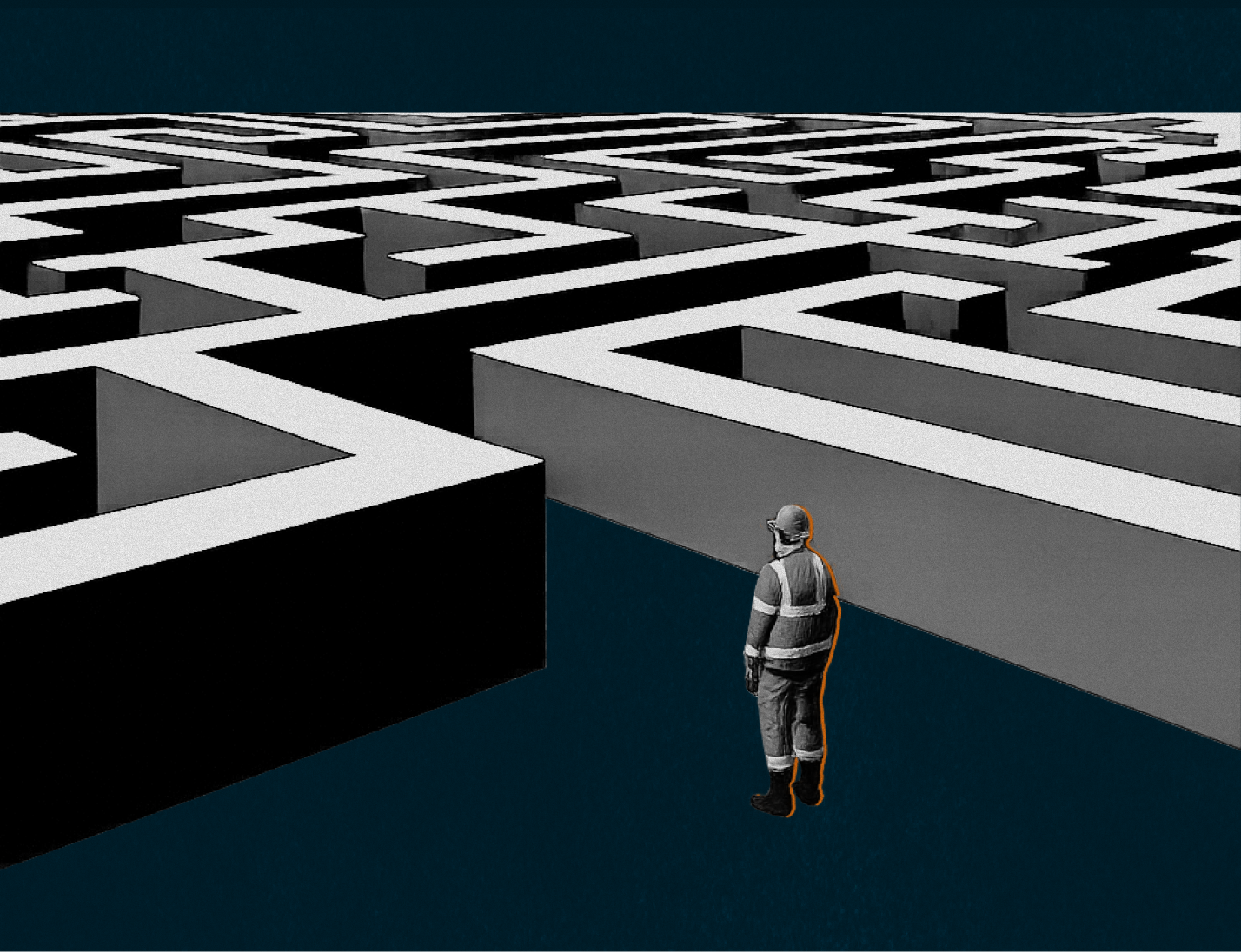
When people live within an environment offering good jobs, good education, social networks, and a culture of self-improvement and hard work, they experience progress in a way that undercuts the philosophical rationale that socialists need to justify the policies they advocate.
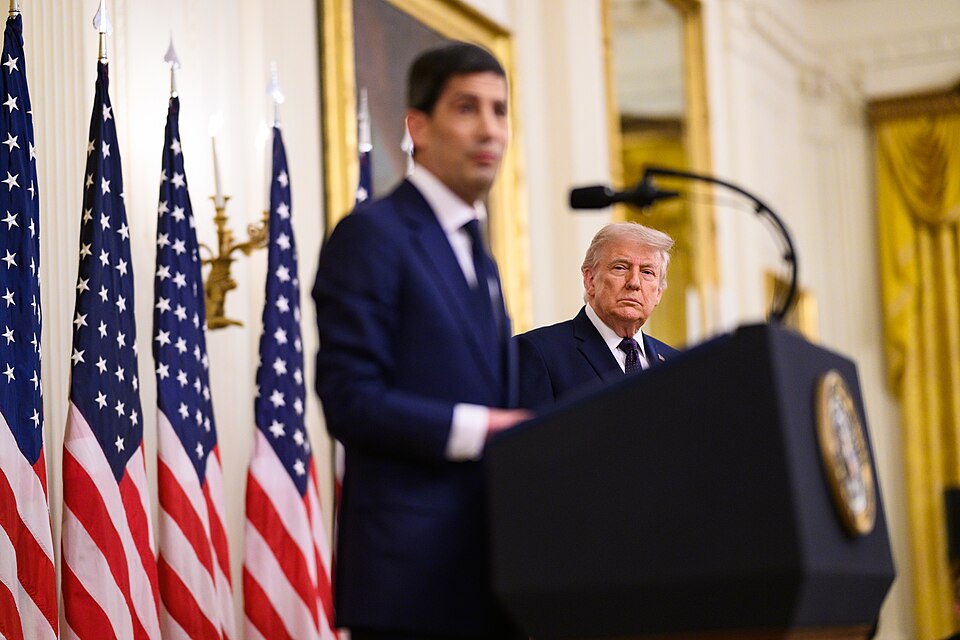
Kevin Warsh and the Future of Fed Communication
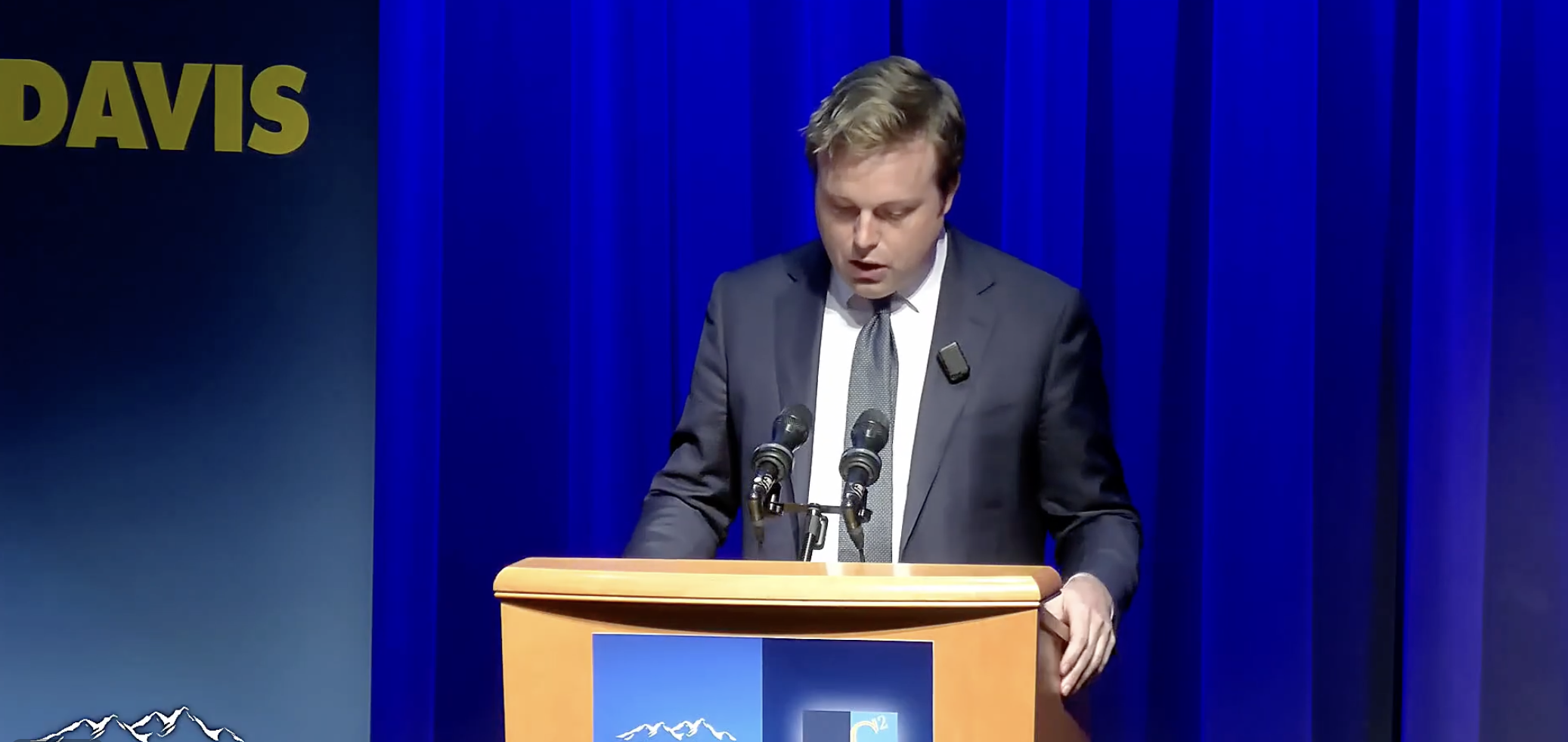
Warsh is right that the Federal Reserve should not speak so loudly that it hears only its own echo.