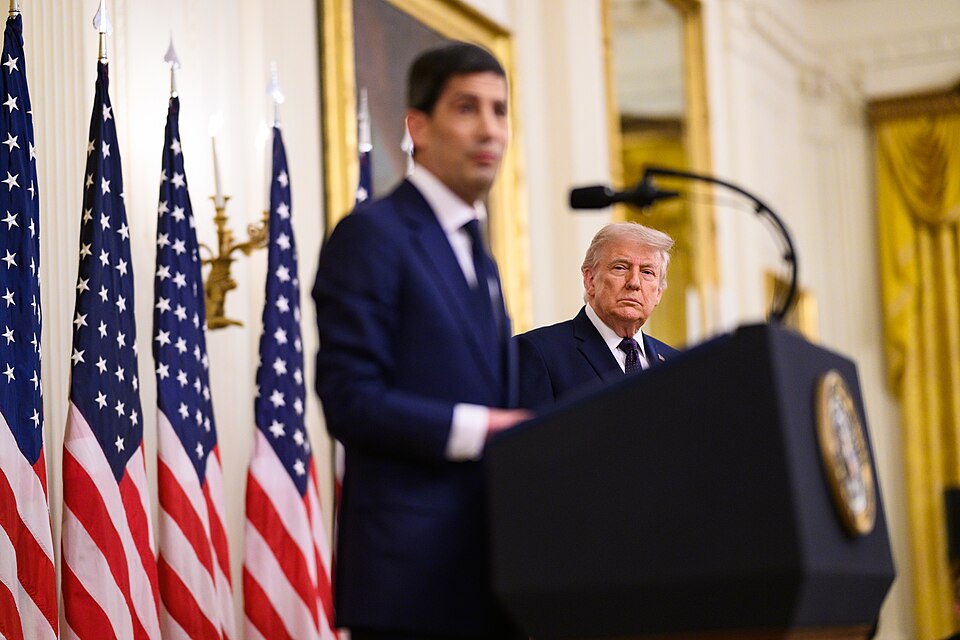
Binder's "Shock Values" Named WSJ Top 10 Book of 2024
.avif)
Shock Values: Prices and Inflation in American Democracy by Civitas Senior Fellow Carola Binder was named to The Wall Street Journal's 10 best books of 2024 list.
Read an excerpt from James Grant's review of Shock Values:
"Inflation is always and everywhere a monetary phenomenon,” according to Milton Friedman. Rises in price levels bedevil politicians but are frequently driven by political decisions. Carola Binder’s book ranges from the colonial era to today, chronicling Americans’ many attempts to outsmart inflation. She makes few judgments on policy but gives voice to critics whose ideas, in an age of high deficits, should be heard.
Continue reading the entire article at The Wall Street Journal (paywall).
Carola Binder is a senior fellow at the Civitas Institute. A macroeconomist and economic historian, her research focuses on monetary policy and inflation expectations in the U.S. economy.

Economic Dynamism
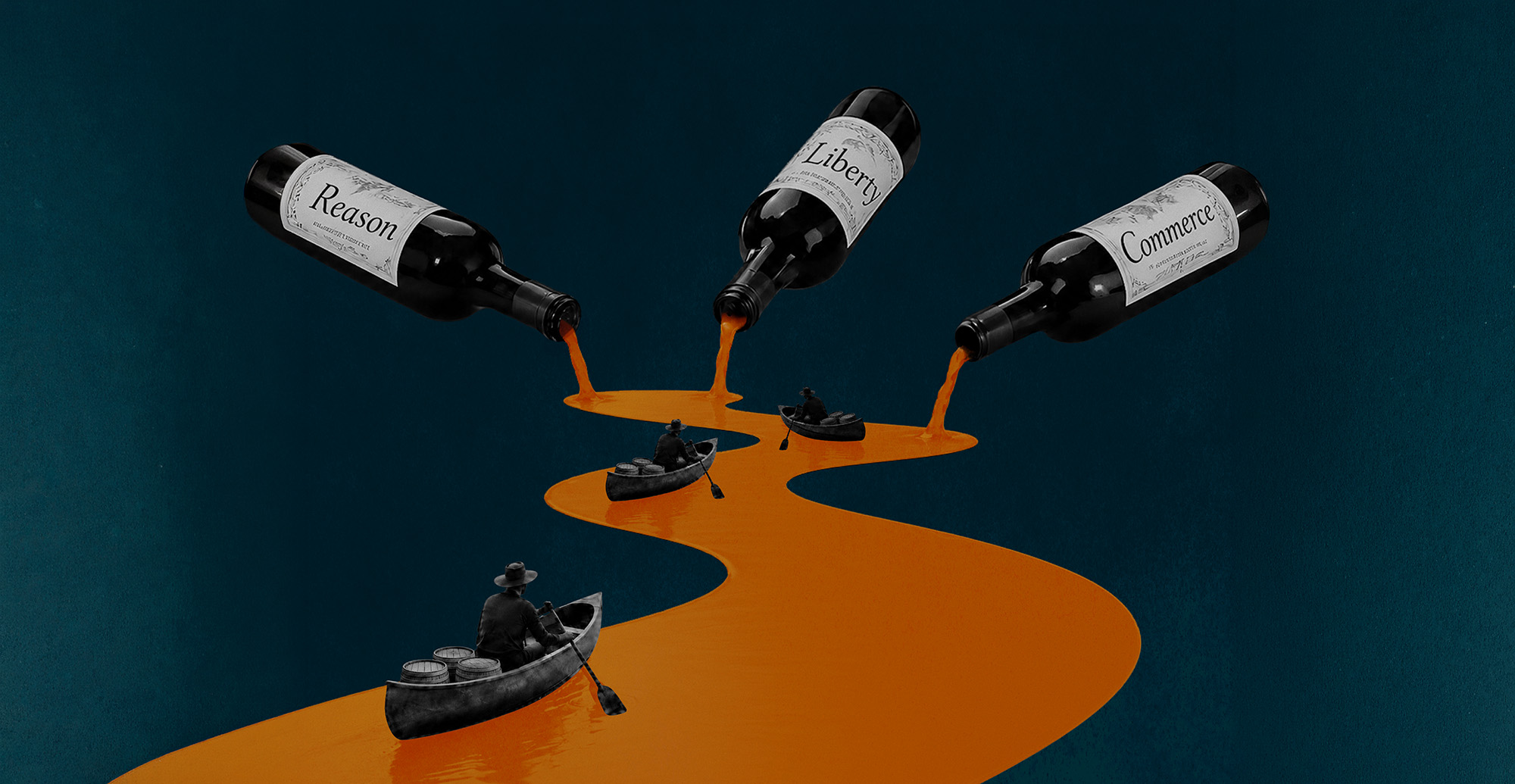
The Wine and Commerce Symposium
The Western tradition’s great thinkers have long recognized wine as a symbol for the beguilement of reason. But if wine warps reason, they recognized how it can also enable reliable reason in our analysis of regimes.


.jpg)


.jpg)



.jpg)



Social Mobility Wins
When people live within an environment offering good jobs, good education, social networks, and a culture of self-improvement and hard work, they experience progress in a way that undercuts the philosophical rationale that socialists need to justify the policies they advocate.