Iran, Regime Change, and the War Powers Act
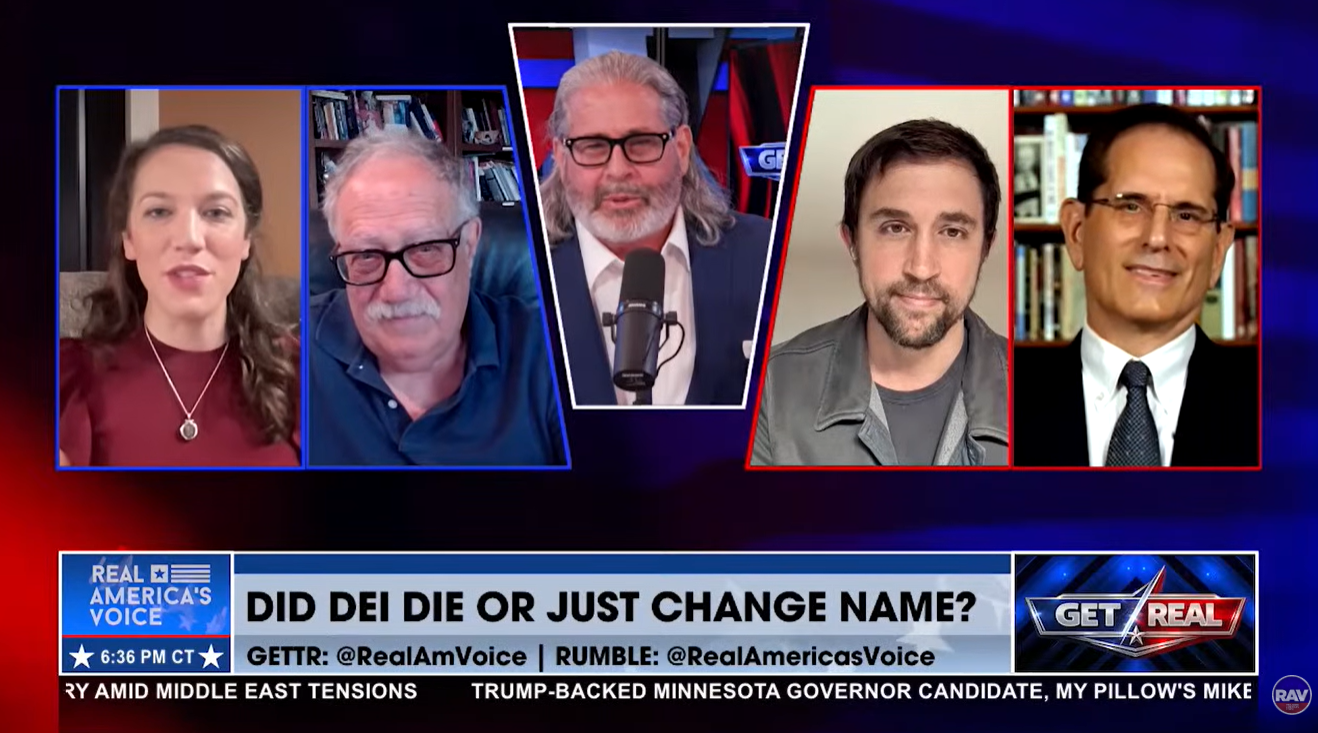
Richard Epstein defends the U.S. strike on Iran as a necessary act of preemptive self-defense, arguing that waiting for an “imminent” attack would have been reckless in the face of a hostile regime pursuing nuclear capability. He also dives into the War Powers Act, executive authority, regime change, and what “victory” would actually mean—while weighing the risks of escalation against the dangers of hesitation. Is this decisive statecraft or constitutional overreach? Epstein makes the Libertarian hawk case.
The Libertarian
The Slippery Slope of Social Media Liability
The conversation ranges from contributory liability and First Amendment concerns to the deeper question: who is responsible when harm flows through a network?
The Half-War
Richard Epstein examines the unfolding U.S. confrontation with Iran through both a strategic and constitutional lens, arguing that President Trump’s approach reflects a deeper tension between military necessity and political constraint.

Politics
%20Richard%20Samuelson%20%20-%20Is%20American%20Nationalism%20Still%20Creed-able_-1.jpg)
Is American Nationalism Still Creed-able?
We are not there now, but there is reason to worry that the United States is in danger, if we are not careful, of ceasing to be a nation with the principles of 1776 at its core.
National Civitas Institute Poll: Americans are Anxious and Frustrated, Creating a Challenging Environment for Leaders
The poll reveals a deeply pessimistic American electorate, with a majority convinced the nation is on the wrong track.
.webp)
%20(1).avif)

.jpg)


Can Britain’s Next Prime Minister Escape the Net Zero Trap?
Britain has burned through five Prime Ministers and is paying some of the highest electricity prices in the world.
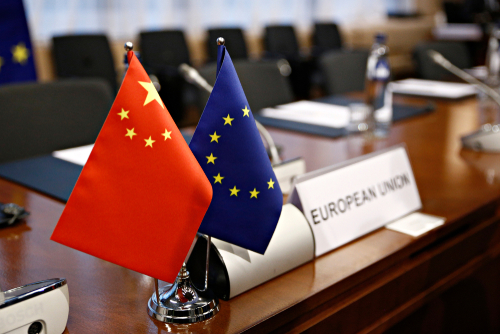
The Scanner at the Gate: Europe’s China Policy Litmus Test
China’s industrial policy is entering Europe through public procurement—and reshaping sensitive markets from within.

Confronting the New Antisemitism
"The postwar effort 'to rebrand Judaism as a religion' has made it impossible for American Jews to understand what they are facing today, because what we are facing today is an attack on the idea of Jewish peoplehood.”
“Democratic” Socialism Is Undemocratic
By promoting class hatred, suppressing private initiative, and seeking enhanced control of our lives, today’s democratic socialists undermine patriotism and individual initiative—two qualities that have long distinguished the United States from other major nations.


Get the Civitas Outlook daily digest, plus new research and events.