YIMBYs Are Killing off the Family Home

Forcing everyone to live in high rise apartments isn’t solving the housing crisis. Quite the opposite.
Housing is now as hot an issue in politics as the shape of Sydney Sweeney’s jeans (or genes). The socialist Zohran Mamdani’s stunning primary win in New York came largely off the back of concerns about housing affordability. California has recently passed legislation to reform environmental regulations that have hindered home-building. The power of the so-called Yimby (“Yes in my backyard”) movement seems only to have been reinforced.
Yet the great irony is that where the Yimby agenda has advanced furthest – notably my home state of California – housing affordability has remained consistently the worst.
Yimbys have got something right – the central problem behind the housing affordability crisis is the failure to build enough homes. Homebuilders built hundreds of thousands fewer homes (including rental units) in 2024 than in 1972 when there were 130 million fewer Americans. One estimate has put the US housing market short by approximately 4.5 million homes.

Pursuit of Happiness
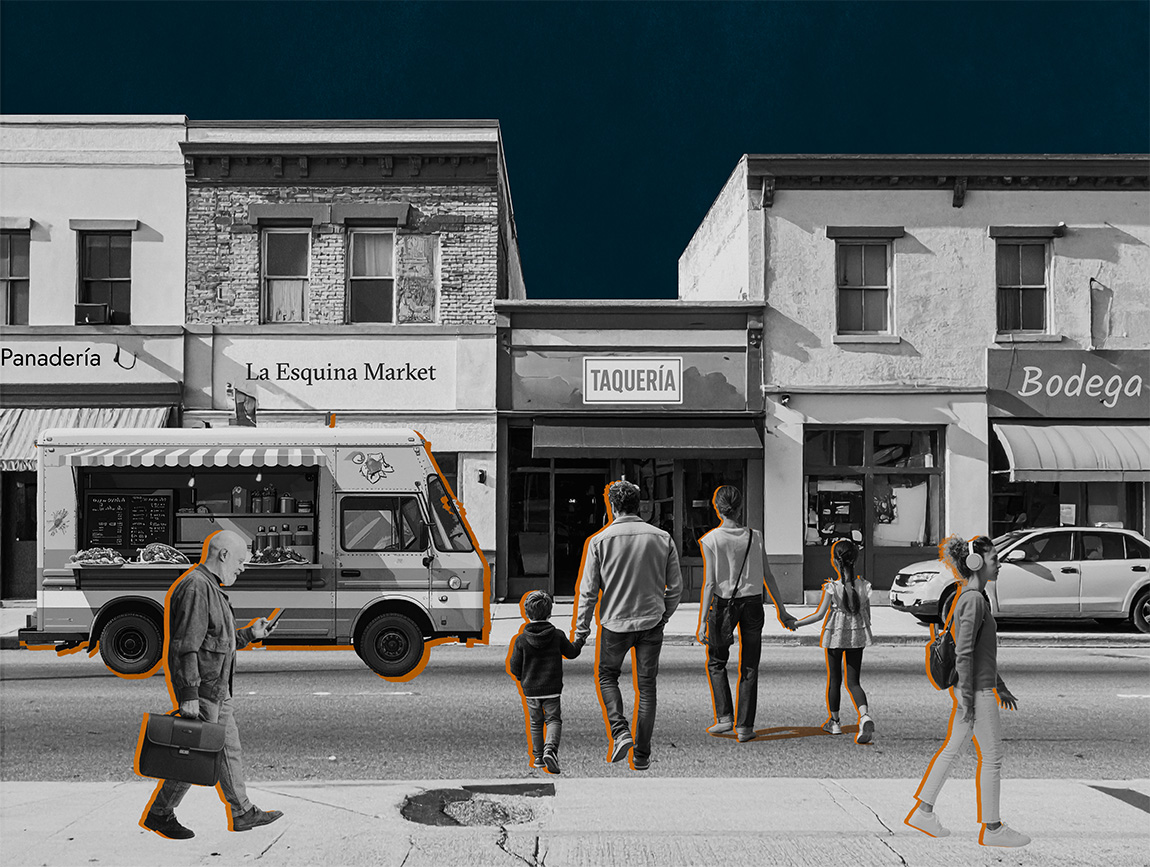
The Rise of Latino America
In The Rise of Latino America, Hernandez & Kotkin argue that Latinos, who are projected to become America’s largest ethnic group, are a dynamic force shaping the nation’s demographic, economic, and cultural future. Far from being a marginalized group defined by oppression, Latinos are integral to America’s story. They drive economic growth, cultural evolution, and workforce vitality. Challenges, however, including poverty, educational disparities, and restrictive policies, threaten their upward mobility. Policymakers who wish to harness Latino potential to ensure national prosperity and resilience should adopt policies that prioritize affordability, safety, and economic opportunity over ideological constraints.




.jpg)






.jpg)
The Declaration Is a Metaphysical and Political Triumph
It is the nature of genuinely lasting great texts that we observe new things in them that fit our moment.
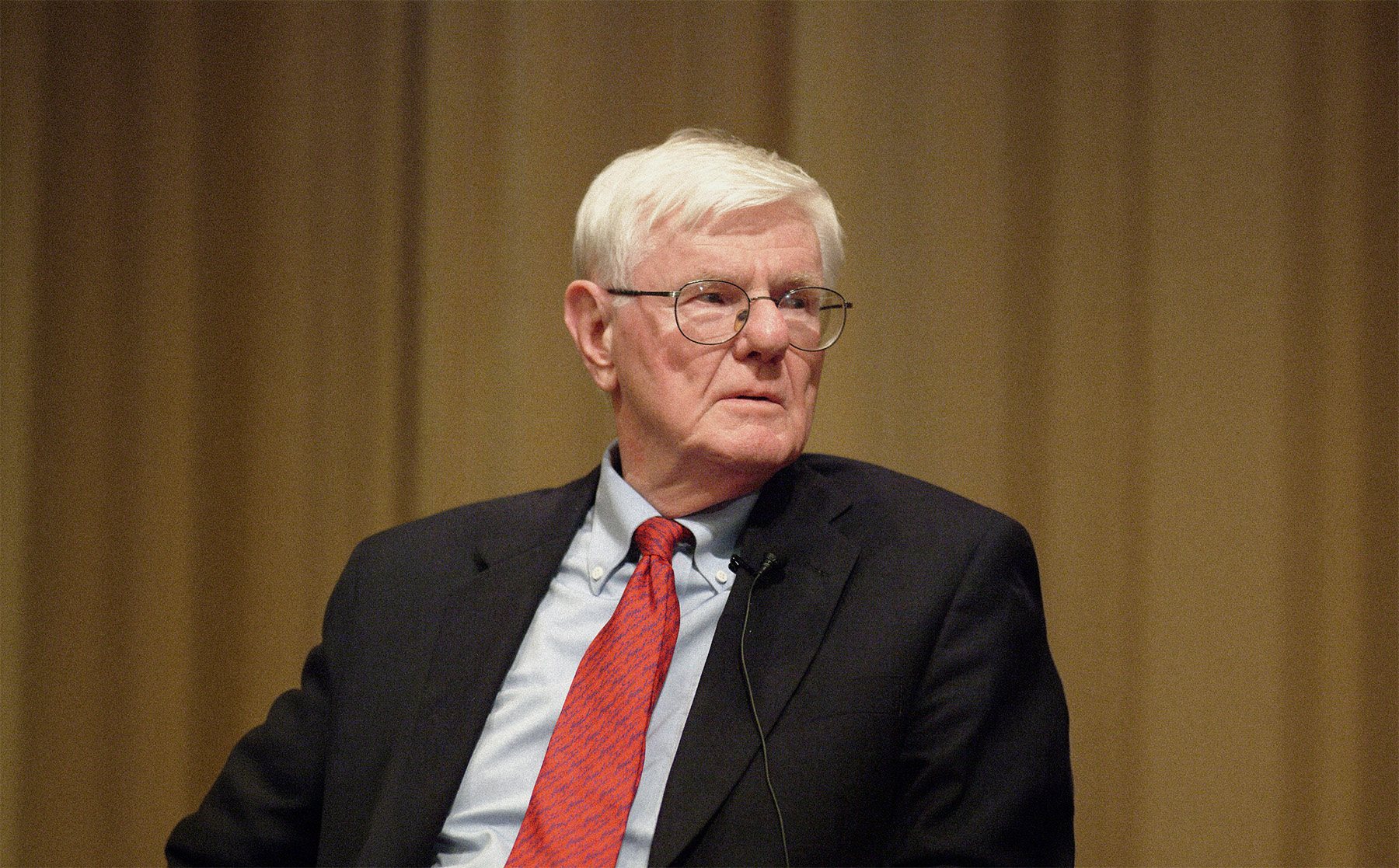
Gordon S. Wood's American Revolution
Widely acknowledged as the pre-eminent historian of the American Founding in our time, Wood was virtually without peer within academic American history today.