The Strange Afterlife of Fascism

Fascism’s face may no longer feature a posturing Mussolini or raging Hitler, but its spirit festers, in different guises but with more perfect weapons, all to the detriment of what is left of liberal civilization.
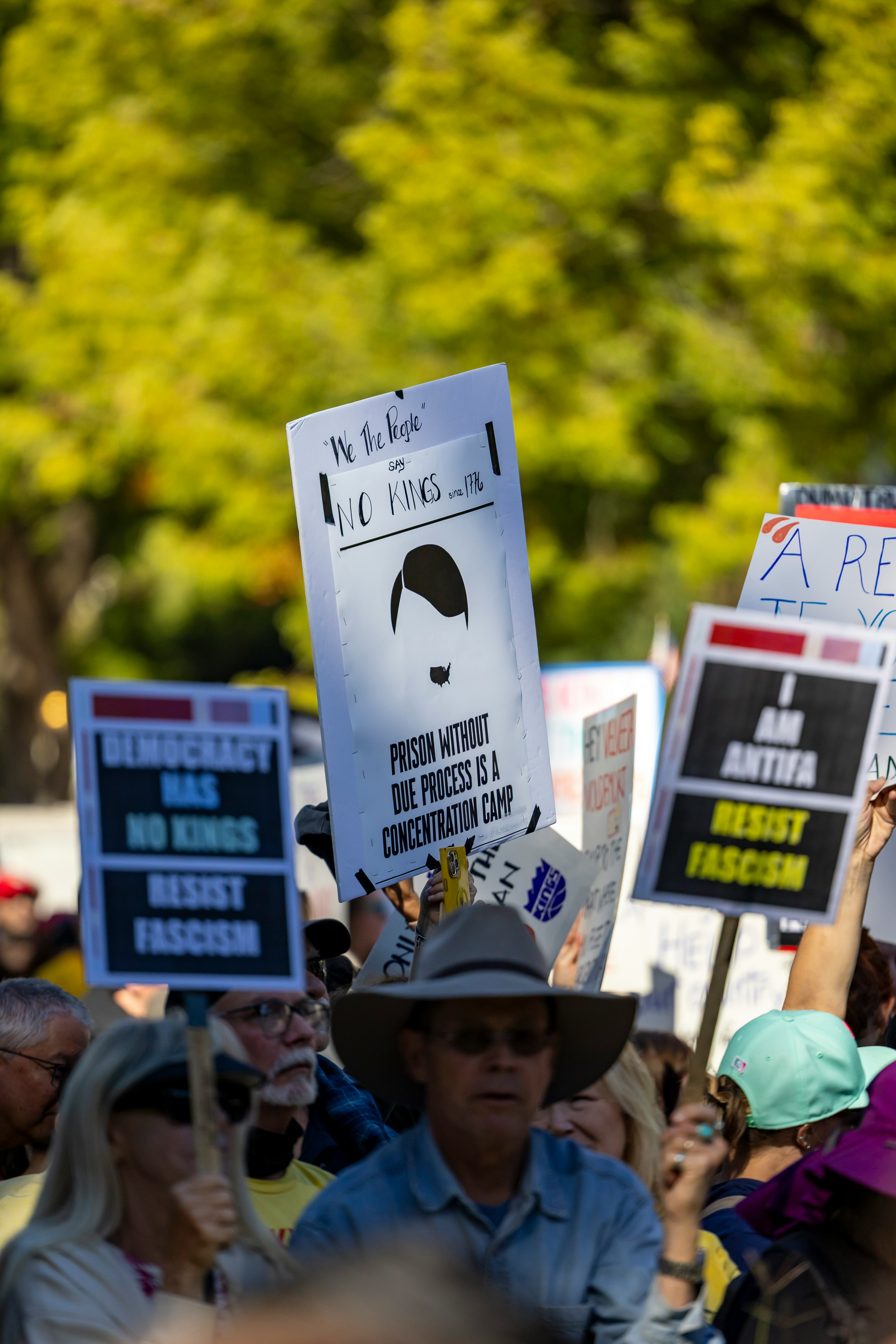
There’s hardly a ruler in the world who would identify as fascist, but if you trust the mainstream media, you will assume fascism is on the march. Mentions of the term have skyrocketed ever since Donald Trump emerged from the land of chandeliers; fascist mentions on cable reached unprecedented levels in the run-up to the 2024 election. Now, almost anything Trump does – from cracking down on illegal immigration to proposing construction of a victory arch – is seen by the Washington Post and others as fascist.
Tellingly, the term has not just been applied to Trump. It has, for decades, been slapped on almost everyone progressives don’t like. George W. Bush, John McCain, and even meek Mitt Romney have all been called the F-word. Same goes for the former reality TV star Spencer Pratt, who is running for mayor in Los Angeles.
The net has been widened by using the term to describe the millions of people who support such figures. One Canadian economist claims to have identified 1,000 words – including rebirth, liberalism, ethnic, and Jewry – he says are indicative of “fascist jargon.”
Given that fascism’s heyday was from the early 1920s until the end of World War II and that the last fascist leader of a major country, Spanish dictator Francisco Franco, died in 1975, the endurance of this term may seem surprising. This is especially true in the American context, given that fascism – unlike socialism –never gained a foothold here, largely remaining a European and Latin American phenomenon. This pattern is also seen in the developing world, particularly in the Middle East, while China may be the world’s largest power that follows a script that Mussolini would follow.
Still, fascism is invoked so often, and with such force, the question arises: Is it or anything like it already here or on the near horizon? To begin to answer this question, this reporter traveled to the birthplace of fascism, Italy, to explore what the ideology actually was before examining whether its key features remain forceful drivers of contemporary politics. It reveals both that leftists who issue the loudest warnings about rising fascism increasingly exhibit many of its characteristics more than those they accuse – and that the larger fascist threat may not be coming from people but machines.

Politics
%20Richard%20Samuelson%20%20-%20Is%20American%20Nationalism%20Still%20Creed-able_-1.jpg)
Is American Nationalism Still Creed-able?
We are not there now, but there is reason to worry that the United States is in danger, if we are not careful, of ceasing to be a nation with the principles of 1776 at its core.
National Civitas Institute Poll: Americans are Anxious and Frustrated, Creating a Challenging Environment for Leaders
The poll reveals a deeply pessimistic American electorate, with a majority convinced the nation is on the wrong track.
.webp)
%20(1).avif)

.jpg)


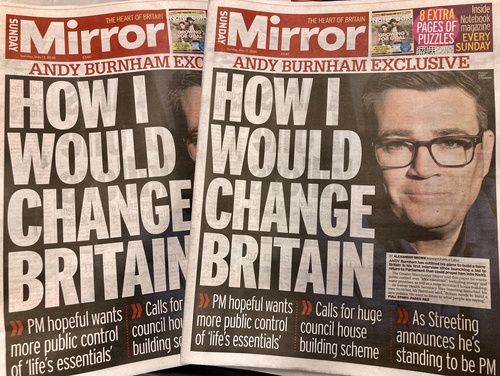
Can Britain’s Next Prime Minister Escape the Net Zero Trap?
Britain has burned through five Prime Ministers and is paying some of the highest electricity prices in the world.

The Scanner at the Gate: Europe’s China Policy Litmus Test
China’s industrial policy is entering Europe through public procurement—and reshaping sensitive markets from within.
Confronting the New Antisemitism
"The postwar effort 'to rebrand Judaism as a religion' has made it impossible for American Jews to understand what they are facing today, because what we are facing today is an attack on the idea of Jewish peoplehood.”
“Democratic” Socialism Is Undemocratic
By promoting class hatred, suppressing private initiative, and seeking enhanced control of our lives, today’s democratic socialists undermine patriotism and individual initiative—two qualities that have long distinguished the United States from other major nations.

