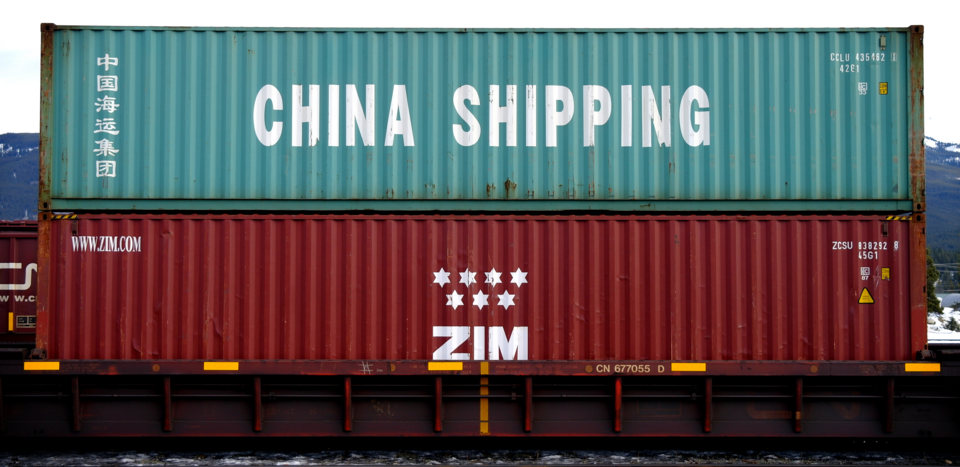
The G7 Is Failing To Address Global Imbalances

If advanced economies in the West are to avoid the repetition of job loss and continued trade deficits witnessed over the last two decades, they must pursue institutional change.
The most revealing feature of June’s G7 summit was not what world leaders addressed, but rather what they failed to address: the problem of persistent and surging trade imbalances in the world economy. Driven above all by China’s swelling export surplus, which is buttressed by a chronically undervalued currency, this issue of paramount importance to global economic stability received little meaningful attention. This omission is particularly striking given French President Emmauel Macron’s stated desire to use France’s presidency of the G7 to confront the gnawing question of global imbalances. Leaders departed Évian-les-Bains having accomplished little beyond issuing stuffy and predictable communiqués.
The reluctance to confront this issue comes at an inopportune moment. Economists are increasingly warning of a “China Shock 2.0.” The first China shock followed China’s accession to the World Trade Organization in 2001, unleashing a wave of low-cost manufactured imports that transformed global trade and hollowed out industrial communities across much of the advanced world. Estimates of American job losses from rising Chinese import competition between 1999-2011 are in the range of 2.0-2.4 million. These losses hit both manufacturing jobs as well as those in other industries linked to manufacturing. The second shock might prove to be more consequential still.

Politics
%20Richard%20Samuelson%20%20-%20Is%20American%20Nationalism%20Still%20Creed-able_-1.jpg)
Is American Nationalism Still Creed-able?
We are not there now, but there is reason to worry that the United States is in danger, if we are not careful, of ceasing to be a nation with the principles of 1776 at its core.

National Civitas Institute Poll: Americans are Anxious and Frustrated, Creating a Challenging Environment for Leaders
The poll reveals a deeply pessimistic American electorate, with a majority convinced the nation is on the wrong track.
.webp)
%20(1).avif)








Can Britain’s Next Prime Minister Escape the Net Zero Trap?
Britain has burned through five Prime Ministers and is paying some of the highest electricity prices in the world.
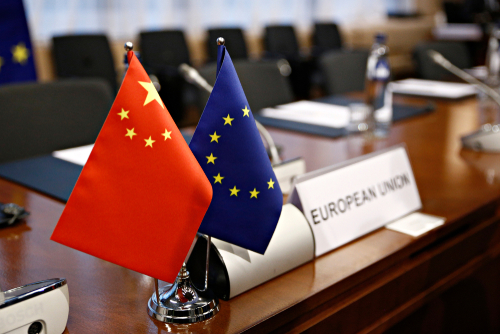
The Scanner at the Gate: Europe’s China Policy Litmus Test
China’s industrial policy is entering Europe through public procurement—and reshaping sensitive markets from within.

Confronting the New Antisemitism
"The postwar effort 'to rebrand Judaism as a religion' has made it impossible for American Jews to understand what they are facing today, because what we are facing today is an attack on the idea of Jewish peoplehood.”

“Democratic” Socialism Is Undemocratic
By promoting class hatred, suppressing private initiative, and seeking enhanced control of our lives, today’s democratic socialists undermine patriotism and individual initiative—two qualities that have long distinguished the United States from other major nations.

