
The Civitas Outlook Energy Symposium

What will be America’s energy needs in this century?
Energy policy in America has become, over the past few decades, one of the most fraught debates in American politics. The progressives immersed the issue in a soup of universalist sentiment that equated fossil fuel use with war on the planet and our childrens’ futures. We needed to “decarbonize” the economy and rebuild it with “clean energy.” Policies to that effect have been implemented in America by Democratic presidential administrations and were a part of an overall approach to governing that stretched from the Department of the Treasury to the Department of Energy, with a stop at the Securities and Exchange Commission. This Whole of Government Approach is intended to curtail and end the fossil fuel industry. But will the American people endure the high prices and sacrifices these policies require to achieve some purportedly pollution-free economy, thwarting the perils of climate change?
Conservatives have focused on practical aspects of energy policy: prices, supply and demand, diversifying and broadening America’s energy base, production efficiency, and economic growth. It could point to tremendous success in fracking technology and to America’s growing capacity for cleaner energy production, even though the country still requires more energy. Along the way, America has become both more productive and more energy-independent.
The new variable is AI, and its inescapable need for vast new sums of energy. How will America meet this challenge, central not only to economic vitality but also national security? How will America meet its energy needs? To answer these questions and more, Civitas Outlook has assembled four thinkers with diverse perspectives on how America’s energy policy should proceed, given our strengths and challenges.
Russ Greene
From Energy Repression to Energy Dominance
Steven F. Hayward
America’s Energy Revolution Continues
Mark Mills
Oil Remains the Epicenter of Commerce, Geopolitics, and Energy
Michael Toth

Economic Dynamism

.jpg)


.jpg)

.jpg)


Social Mobility Wins
When people live within an environment offering good jobs, good education, social networks, and a culture of self-improvement and hard work, they experience progress in a way that undercuts the philosophical rationale that socialists need to justify the policies they advocate.
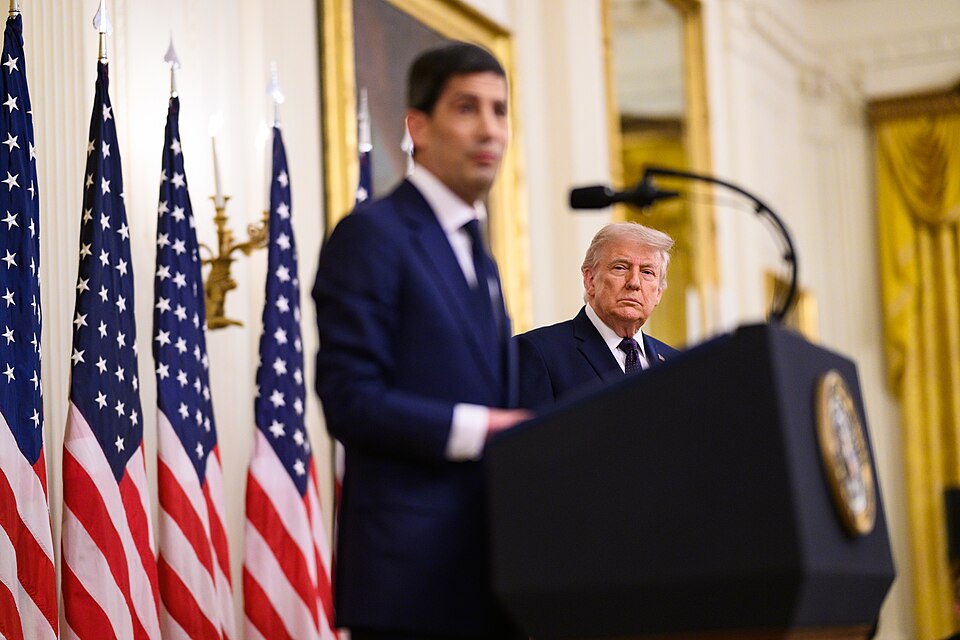
Kevin Warsh and the Future of Fed Communication
Warsh is right that the Federal Reserve should not speak so loudly that it hears only its own echo.