The Venezuela Symposium
What’s next for Venezuela, Latin America, and the United States?
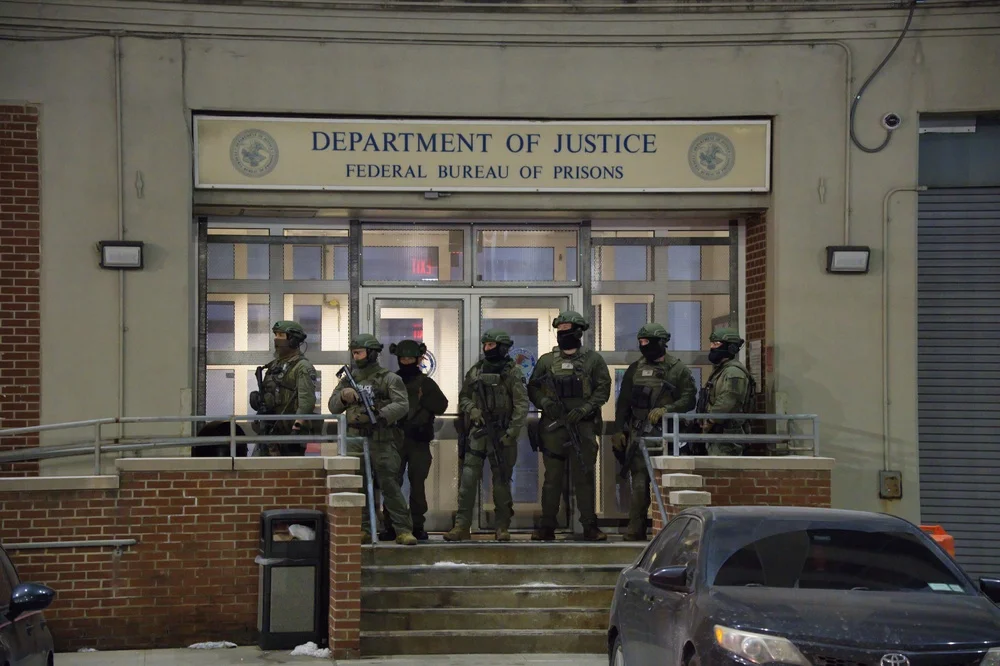
On the night of January 3, 2026, United States armed forces penetrated the security perimeter surrounding Venezuelan President Nicolas Maduro and arrested him and his wife, exfiltrating them to the U.S. to stand trial on various criminal charges. This action was flawlessly executed by America’s military and eliminated, in one movement, one of the most anti-American political leaders in the Latin American region. The Maduro regime was illegitimate, having defied the results of a national election in July 2024, which clearly selected Edmundo Gonzalez Urrutia to be the president of Venezuela. Socialist to the core, the regime was part of a decades-long effort to cement collectivism in a formerly thriving country that had been transformed under the strains of Hugo Chavez and Maduro’s immiserating reign of Marxist thuggery. Maduro had also given China operating room in Venezuela, a staging ground for Sino-politics on the continent, marginalizing American efforts in the region.
What’s next for Venezuela, Latin America, and the United States? There has been no clear regime change in Venezuela, nor any push for democracy, the rule of law, or markets. We have heard a great deal about oil, though. Does America have any coherent plan, grounded in democracy and the rule of law, beyond regime influence? What about the Venezuelan opposition and its desire to supplant the new ruling government? We have assembled eight Latin American contributors to discuss these questions and more.
Contributors:
Luis Antonio Orozco Castro “The Paradoxes of Liberty in the Age of the Shackled Leviathan”
Raul Howe “Slavery in Latin America in the Twenty First Century”
Rodrigo Barcia Lehmann “What Justifies Trump’s Intervention in Venezuela”
Gonzalo Ordóñez-Matamoros “Venezuela Post-Maduro?”
Wagner Menezes “Donald Trump’s New Hemispheric Policy”
Alejandro Molina “Can Venezuela be Lifted from its Trap?”
Juan Martín Morando “Nicolás’ Last Dance”
Oscar Sumar “The Fragility of International Law”

Politics
%20Richard%20Samuelson%20%20-%20Is%20American%20Nationalism%20Still%20Creed-able_-1.jpg)
Is American Nationalism Still Creed-able?
We are not there now, but there is reason to worry that the United States is in danger, if we are not careful, of ceasing to be a nation with the principles of 1776 at its core.
National Civitas Institute Poll: Americans are Anxious and Frustrated, Creating a Challenging Environment for Leaders
The poll reveals a deeply pessimistic American electorate, with a majority convinced the nation is on the wrong track.
.webp)
%20(1).avif)

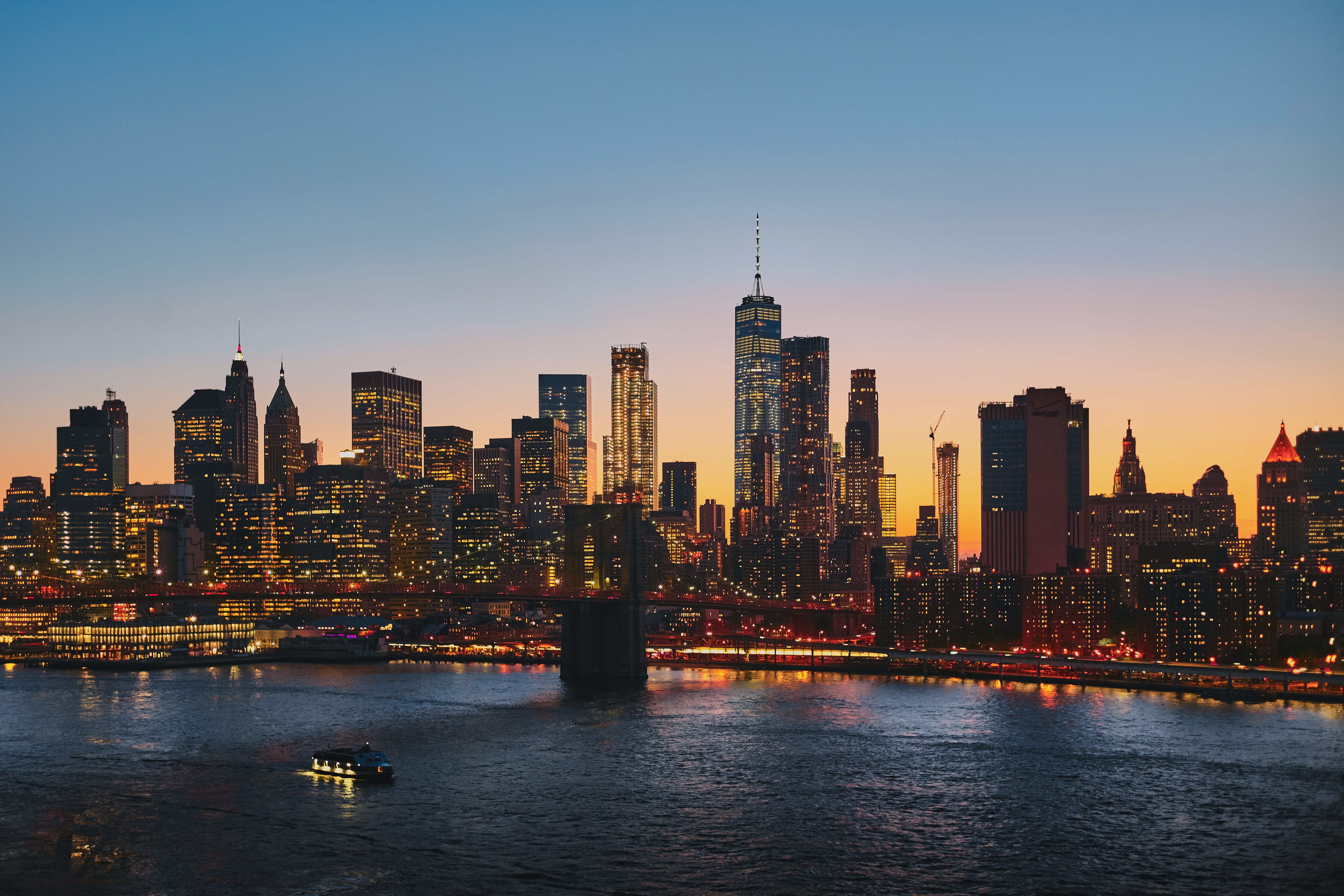
New York’s War on its Jews
It can happen on any street corner or at any transit stop and increasingly does: a young man with a yarmulke is assaulted for no apparent reason.

Rail Giants Hate the $71 Billion Merger. The Rest of Us Should Love It
Based on the record, the case for approving the merger is even stronger than when it was first announced.
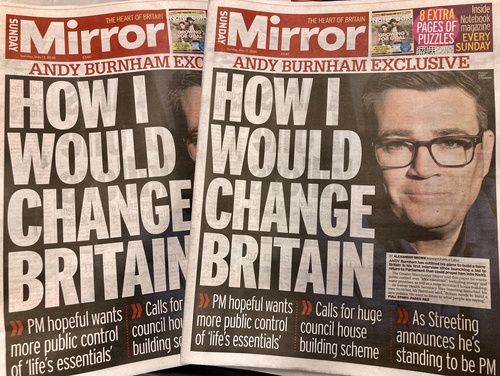
Can Britain’s Next Prime Minister Escape the Net Zero Trap?
Britain has burned through five Prime Ministers and is paying some of the highest electricity prices in the world.
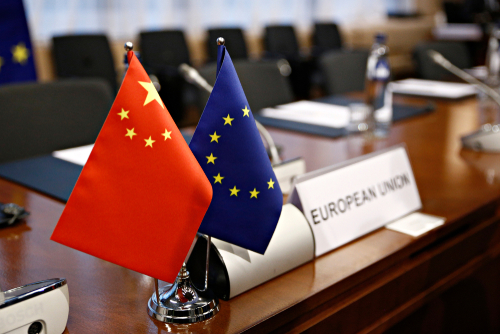
The Scanner at the Gate: Europe’s China Policy Litmus Test
China’s industrial policy is entering Europe through public procurement—and reshaping sensitive markets from within.
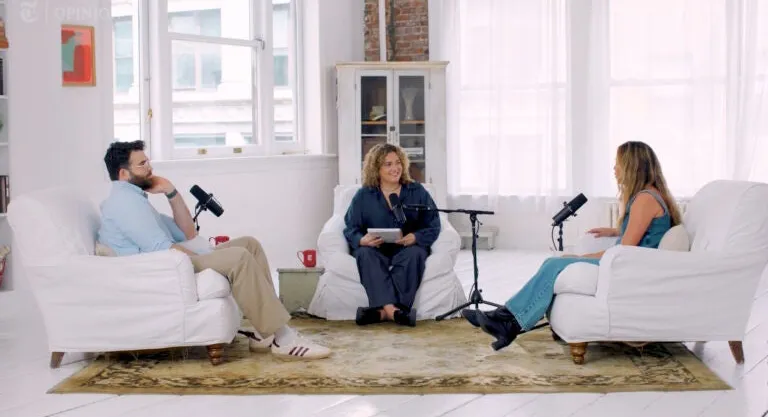
Confronting the New Antisemitism
"The postwar effort 'to rebrand Judaism as a religion' has made it impossible for American Jews to understand what they are facing today, because what we are facing today is an attack on the idea of Jewish peoplehood.”
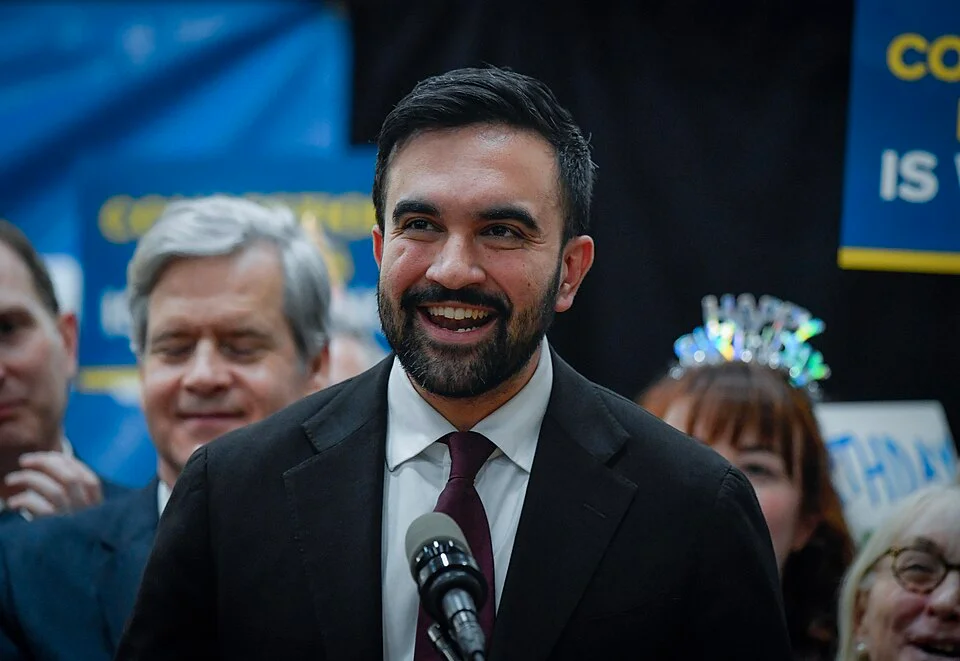
“Democratic” Socialism Is Undemocratic
By promoting class hatred, suppressing private initiative, and seeking enhanced control of our lives, today’s democratic socialists undermine patriotism and individual initiative—two qualities that have long distinguished the United States from other major nations.

