The Rise of the Artisan Economy

Small businesses provide the human element necessary for the market to survive, explains senior research fellow Joel Kotkin.
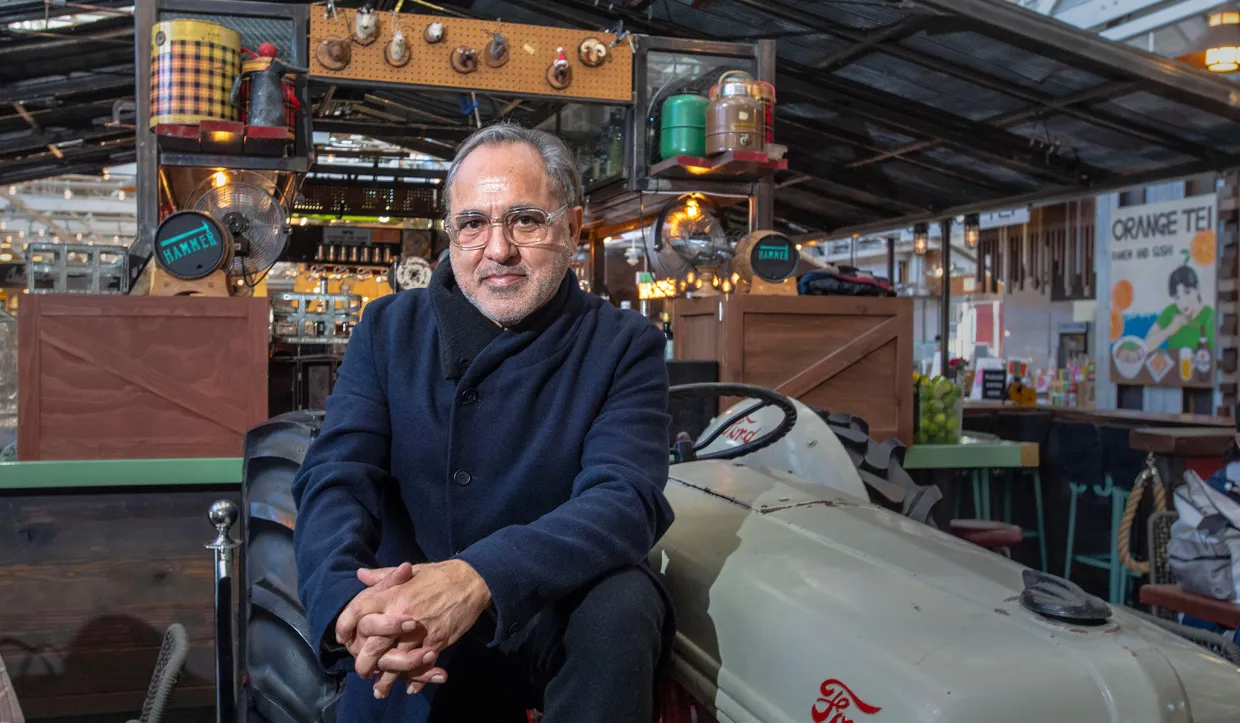
Developer Shaheen Sadeghi’s vision of an artisanal, small-business-driven economy seems oddly incompatible with his environment. After all, Orange County, Calif., where the 71-year-old Sadeghi has worked for four decades, bristles with mass-produced fabrication. Home to several of the nation’s most successful malls and endless shopping centers, the region has incubated such firms as McDonald’s, Jack in the Box, Cheesecake Factory, Marie Callender’s, Taco Bell, and the epicenter of faux American conformism, Disneyland.
Yet walking around his expanding development, called the Camp, it’s clear Sadeghi has made his vision real. Located on four acres in Costa Mesa — just one mile from the South Coast Plaza — one of the most successful mega-malls in the country — is a collection filled with dozens of independent, small businesses including oddball boutiques, diverse independent restaurants, and even a bar — Cowboy and Poodles — that celebrates southern California’s cowboy heritage, with Western images and artifacts matched with kitschy images of well-groomed dogs.
“Most of retail may be dying,” Sadeghi notes, “the next generation of customers won’t go to the big stores but are seeking out a direct human experience.” Moreover: “The traditional middleman role is obsolete. People may go online to buy necessities but when they go out to shop, they want something real, something that offers the possibility of serendipity.”

Economic Dynamism


.jpg)


.jpg)




.jpg)


Social Mobility Wins
When people live within an environment offering good jobs, good education, social networks, and a culture of self-improvement and hard work, they experience progress in a way that undercuts the philosophical rationale that socialists need to justify the policies they advocate.
Kevin Warsh and the Future of Fed Communication
Warsh is right that the Federal Reserve should not speak so loudly that it hears only its own echo.