
The Housing Crisis

Soaring housing costs are driving young people towards socialism—only dispersed development and expanded property ownership can preserve liberal democracy.
Amid the growing cost of living crisis, Marxist firebrand Zohran Mamdani has been elected to the position of Mayor of New York. Mamdani’s popularity, which is based largely on unease about prices, most notably rents, augurs a possible American turn towards radical collectivism.
Mamdani’s brand of leftist politics is not socialism as practised, for example, in Sweden, which never nationalised its main industries, embraced home ownership and whose welfare state was financed by a dynamic export-oriented economy. The founder of the Democratic Socialists of America (DSA), the late Michael Harrington, would barely recognise his offspring. He warned against Leninist control of the “commanding heights” of the economy, detested communism and its Third World offshoots, and supported Israel’s right to exist. The current DSA and its supporters, as writer Pamela Paul points out, believe that “capitalism isn’t something to be regulated or balanced, but is itself the problem.”

Economic Dynamism


.jpg)



.jpg)


.jpg)


Social Mobility Wins
When people live within an environment offering good jobs, good education, social networks, and a culture of self-improvement and hard work, they experience progress in a way that undercuts the philosophical rationale that socialists need to justify the policies they advocate.
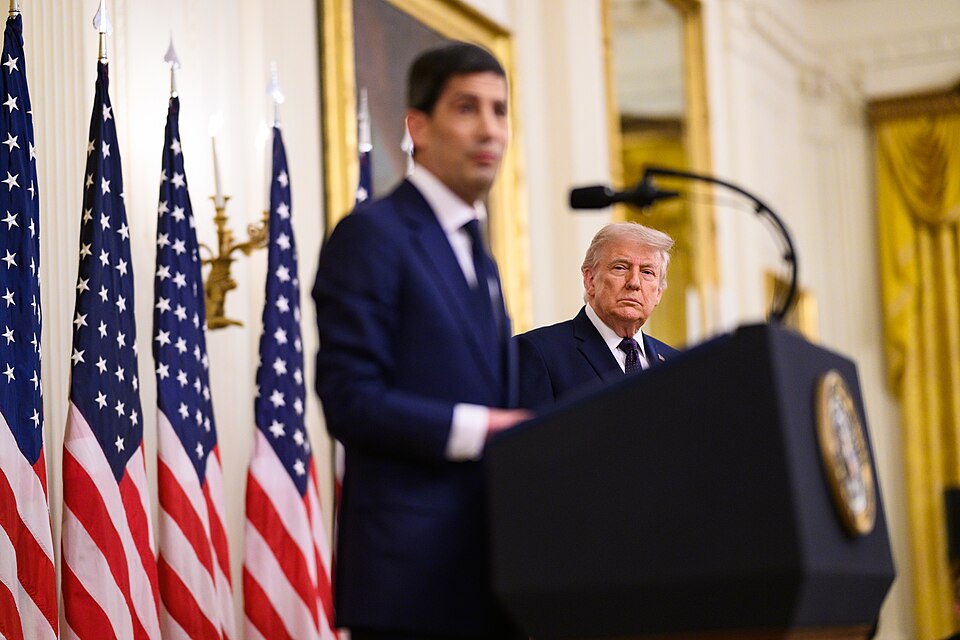
Kevin Warsh and the Future of Fed Communication
Warsh is right that the Federal Reserve should not speak so loudly that it hears only its own echo.