
California’s EU Style Regulatory Gambit
A better ask of companies would be to disclose whether they are becoming more energy-efficient in supplying the products that consumers demand.
Gavin Newsom wants to be president. Today’s hearing in federal court in San Francisco on the legality of California’s sweeping climate reporting rules offers a glimpse of the regulatory tsunami on the horizon should Newsom succeed in taking the California blueprint national.
The landmark reporting requirements, which Governor Newsom signed into law after praising them as emblematic of the state’s “cutting edge” policies, seek to impose the European Union’s climate overreach on the U.S. via Sacramento. Like E.U. mandates on climate, data, banking, and digital services, the California rules target extraterritorial conduct — carbon emissions occurring outside the state’s borders. While the EU is trying to be the globe’s regulator, California is trying to play the same role over the rest of the U.S.
California’s climate reporting rules apply to companies over specified revenue thresholds that “do business” in California. A preliminary list of these companies released by the state revealed the extent of California’s regulatory appetite. It amounts to over 4,000 entities, including such notorious polluters as the Trustees of Princeton University, the Church of Jesus Christ of Latter-day Saints, and the Children’s Hospital of Philadelphia Foundation. The Girl Scouts weren’t on the list, but that might be an oversight.
California’s regulators have since proposed to exempt non-profit organizations, yet thousands of companies still have to comply with the reporting requirements at significant costs to their shareholders. The moving company U-Haul reports that it would have to spend more than $3 million annually to comply with the climate rules.
Proponents claim that the rules provide transparency. But transparency laws are meant to provide a clearer picture of the truth. The California mandates do the opposite. They require companies to speculate about a world that doesn’t exist now and likely won’t for some time.
For example, the reporting requirements point to a 100-page long manual that directs companies to speculate on how they would respond to “a 2°C scenario,” referring to a scenario where policymakers have taken actions to limit global warming to two degrees above pre-industrial temperatures.
But both sides of the climate debate agree that the two-degree target is woefully outdated. Climate alarmist James Hansen has declared it “dead, because the global energy use is rising, and it will continue to rise.” Likewise, climate optimist Ted Nordhaus calls the two-degree standard a “delusion,” and AEI’s Roger Pielke adds that this target is “unattainable,” perhaps for decades.
Instead of acknowledging the consensus that energy demand continues to exceed renewable energy supply by a wide margin, the California requirements direct companies to respond to hypothetical scenarios that present no material risk in the foreseeable future. That’s not all. California also wants to know how the climate will affect virtually the entire operation of the business, from R&D to executive compensation. Companies must detail how “climate-related issues” impacted corporate strategy, risk management policies, performance objectives, business plans, and capital expenditures.
All of these mandates go well beyond the infringements on speech permitted by legitimate disclosure requirements. Far from protecting consumers or investors, California offers companies the choice between two bad options: admit they’re not climate alarmists and risk public shame and regulatory harassment, or commit to unrealistic climate goals that will later be used against them.
In crafting the climate disclosure rules, California overshot even the Biden Administration, which says a lot. The prior administration was labeled the “regulatory GOAT” by budget expert Douglas Holtz-Eakin, who calculated that Biden-era rules cost $1.6 trillion, more than five times the regulatory burden imposed by the Obama administration in half of the time in office.
When it comes to climate disclosure, however, the Biden crew had a light touch compared to California. The administration’s now rescinded climate rules applied only to public companies, included a materiality requirement, and stopped short of mandating disclosure of “scope 3” emissions resulting from the use of companies’ products by consumers. By contrast, the California rules reach privately held firms, contain no materiality requirement, and require disclosure of Scope 3 emissions.
One statement from Bill Gates’s recent ode to energy realism is particularly relevant here: “From the standpoint of improving lives, using more energy is a good thing.” Everyday energy consumers would agree. Yet the California reporting regime holds companies responsible for the emissions from consumers who demand energy-consuming products.
The real purpose of the reporting is, in the words of its legislative backers, to “embarrass” companies for their role in “destroying our planet.” If the California climate rules survive, expect memes bashing companies that make modern human existence possible for no reason other than that they are in the business of supplying energy-intensive products to customers who want to improve their living standards.
A better ask of companies would be to disclose whether they are becoming more energy-efficient in supplying the products that consumers demand. The California law doesn’t ask that question. It’s because California is not ultimately interested in disclosure, but confession.
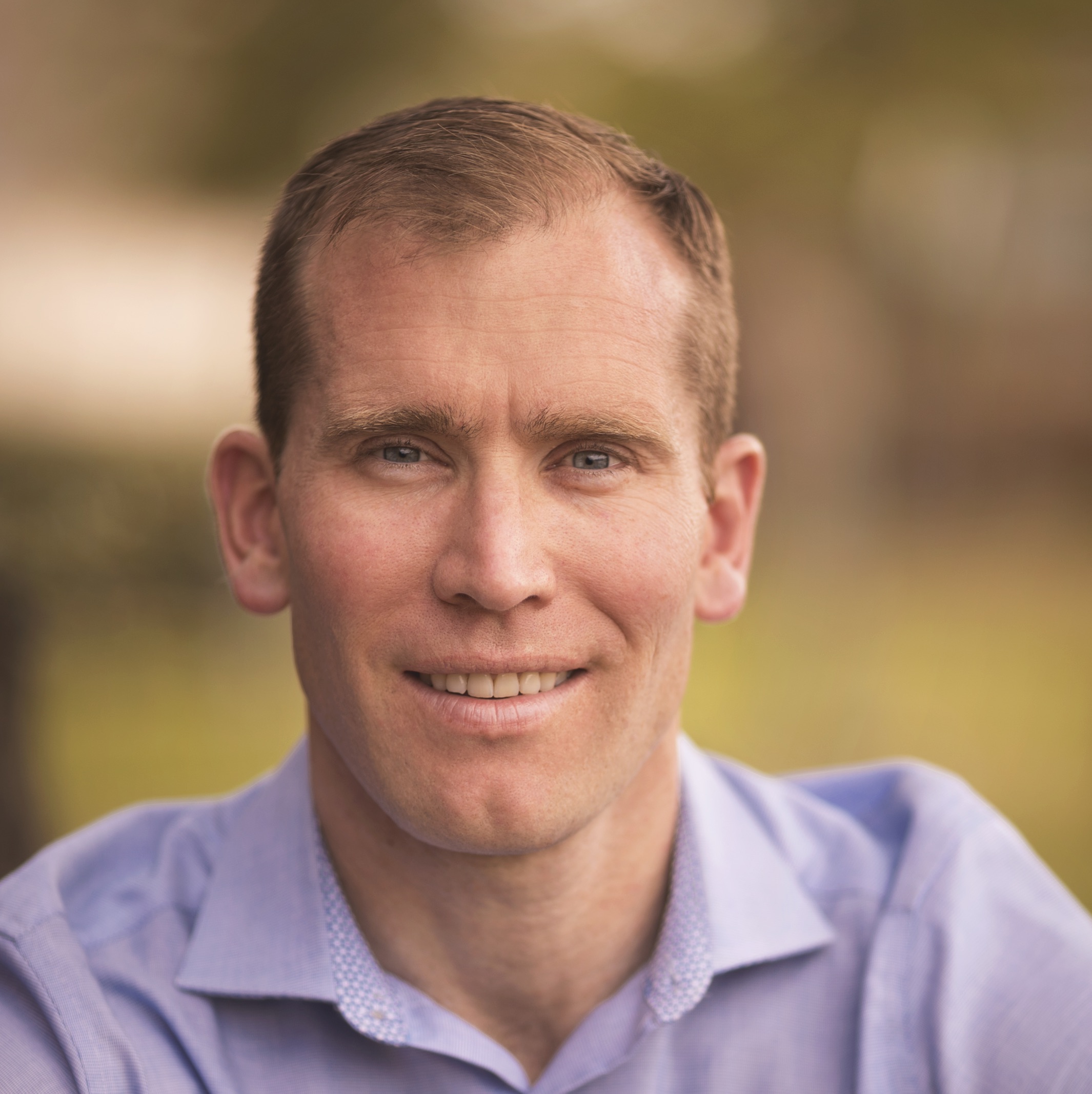
Michael Toth is the Director of Research of the Civitas Institute at the University of Texas at Austin.

Politics
%20Richard%20Samuelson%20%20-%20Is%20American%20Nationalism%20Still%20Creed-able_-1.jpg)
Is American Nationalism Still Creed-able?
We are not there now, but there is reason to worry that the United States is in danger, if we are not careful, of ceasing to be a nation with the principles of 1776 at its core.

National Civitas Institute Poll: Americans are Anxious and Frustrated, Creating a Challenging Environment for Leaders
The poll reveals a deeply pessimistic American electorate, with a majority convinced the nation is on the wrong track.
.webp)
%20(1).avif)








Can Britain’s Next Prime Minister Escape the Net Zero Trap?
Britain has burned through five Prime Ministers and is paying some of the highest electricity prices in the world.

The Scanner at the Gate: Europe’s China Policy Litmus Test
China’s industrial policy is entering Europe through public procurement—and reshaping sensitive markets from within.

Confronting the New Antisemitism
"The postwar effort 'to rebrand Judaism as a religion' has made it impossible for American Jews to understand what they are facing today, because what we are facing today is an attack on the idea of Jewish peoplehood.”

“Democratic” Socialism Is Undemocratic
By promoting class hatred, suppressing private initiative, and seeking enhanced control of our lives, today’s democratic socialists undermine patriotism and individual initiative—two qualities that have long distinguished the United States from other major nations.

