%20(1).jpg)
California’s billionaire tax could bring down Gavin Newsom

Gavin Newsom’s run for the White House is going from bad to worse.
Gavin Newsom’s run for the White House is going from bad to worse. Last week, his former chief of staff was arrested for allegedly siphoning off campaign funds for personal use, raising questions about the California Governor’s control of his inner circle. Now a bigger challenge looms: a rising socialist tide.
After Zohran Mamdani’s sweep to the New York mayoralty and a similarly high-profile win for Katie Wilson in Seattle, California progressives are eyeing a new billionaire tax initiative — a policy Newsom is staunchly against. The union-backed legislation would see the state’s richest residents hit with a one-time, 5% tax on the net worth of individuals — including everything from investments to property value, and even other assets like jewellery and paintings — worth over $1 billion. The revenue would go into a special fund with 90% reserved for healthcare spending and 10% for the state’s ailing K-12 education system.
Newsom likes to claim that California is “the envy of the world” when it comes to social justice. In reality, the state suffers from the highest poverty rate in the country and maintains the highest unemployment, which is particularly acute among young people under 30. To top it off, the level of inequality is greater than Mexico and closer to countries such as Guatemala and Honduras: hardly the envy of the Americas, let alone the world.
In the past, Newsom sought to stifle debate about the dire condition of the state by building what The Nation called an ideal “blue welfare state” — a model of government based on European democracies that prioritises welfare. But economic and budget conditions suggest the state is running out of money and cannot continue handing out ever bigger subsidies to poorer residents. California spends more of its budget on welfare than almost any other state, twice as much as arch-rival Texas.

Politics
%20Richard%20Samuelson%20%20-%20Is%20American%20Nationalism%20Still%20Creed-able_-1.jpg)
Is American Nationalism Still Creed-able?
We are not there now, but there is reason to worry that the United States is in danger, if we are not careful, of ceasing to be a nation with the principles of 1776 at its core.
National Civitas Institute Poll: Americans are Anxious and Frustrated, Creating a Challenging Environment for Leaders
The poll reveals a deeply pessimistic American electorate, with a majority convinced the nation is on the wrong track.
.webp)
%20(1).avif)

The G7 Is Failing To Address Global Imbalances
The G7 was not created to issue an endless procession of carefully calibrated communiqués.

Immigration Alone Won't Solve Canada's Population Decline
Rather than looking abroad for solutions, we should ensure young Canadians have a hopeful future


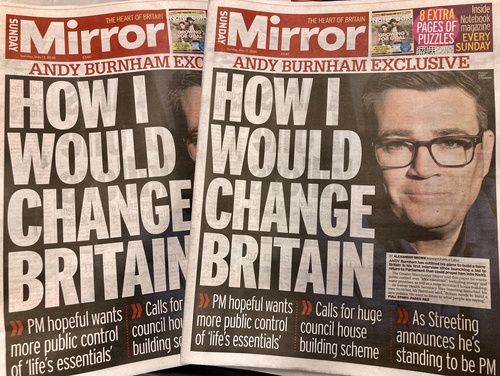
Can Britain’s Next Prime Minister Escape the Net Zero Trap?
Britain has burned through five Prime Ministers and is paying some of the highest electricity prices in the world.

The Scanner at the Gate: Europe’s China Policy Litmus Test
China’s industrial policy is entering Europe through public procurement—and reshaping sensitive markets from within.

Confronting the New Antisemitism
"The postwar effort 'to rebrand Judaism as a religion' has made it impossible for American Jews to understand what they are facing today, because what we are facing today is an attack on the idea of Jewish peoplehood.”
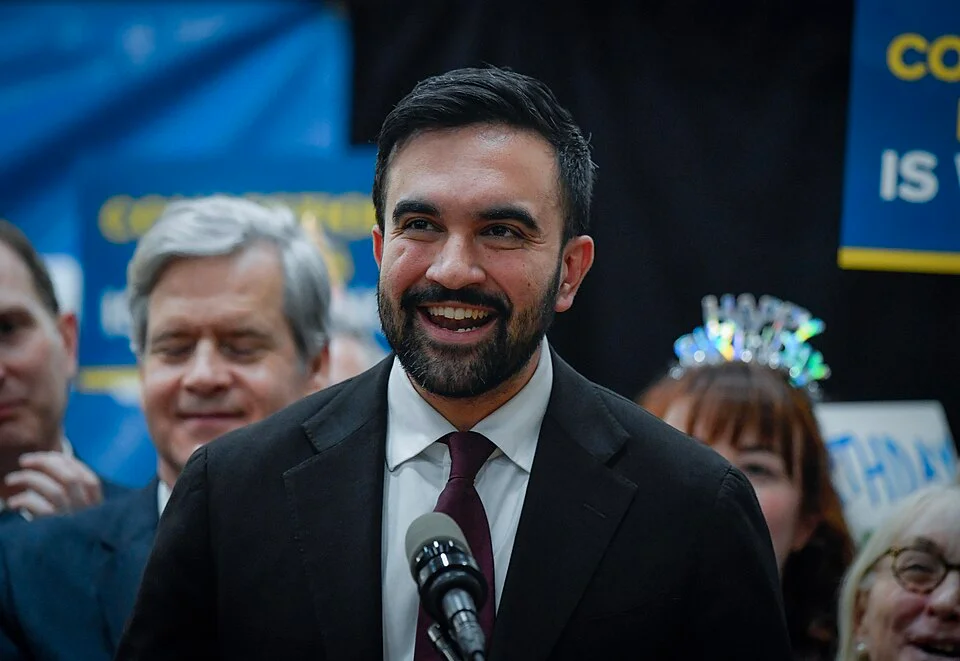
“Democratic” Socialism Is Undemocratic
By promoting class hatred, suppressing private initiative, and seeking enhanced control of our lives, today’s democratic socialists undermine patriotism and individual initiative—two qualities that have long distinguished the United States from other major nations.

