Surf’s Up: Roman Law and Beach Houses
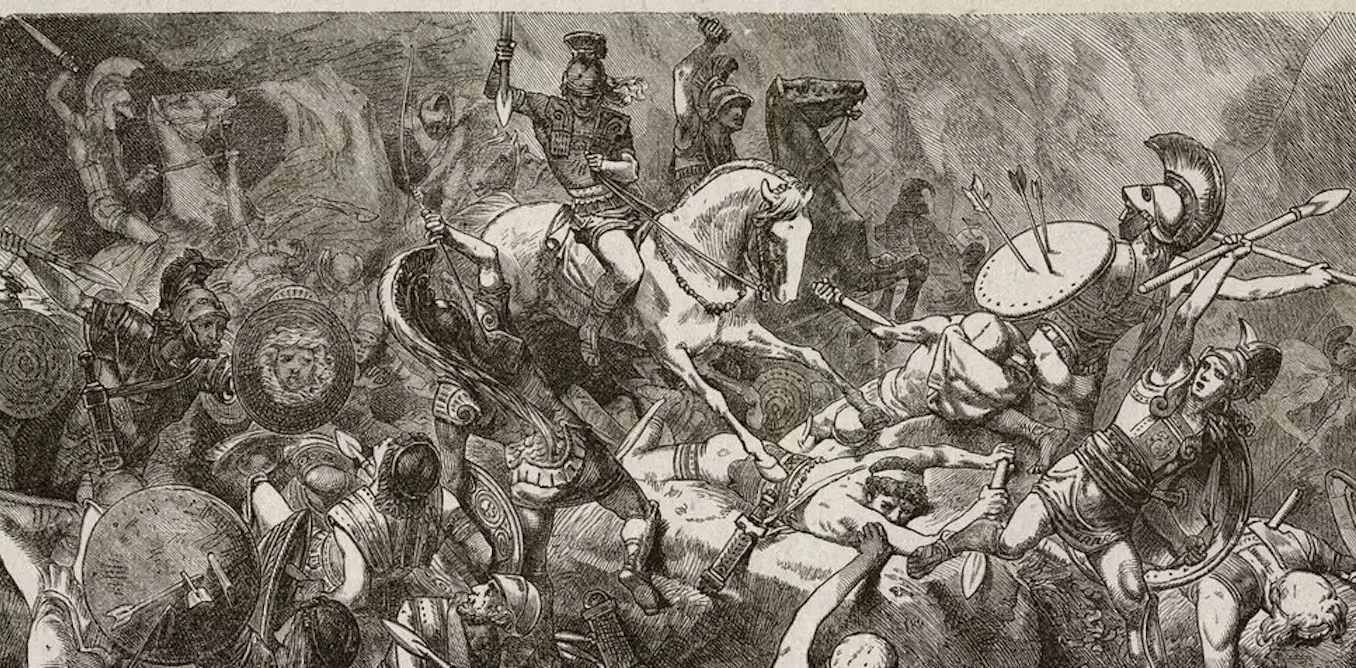
Richard Epstein explains why policy around laws governing coastal property rights and construction is grounded in ancient Roman natural law. In addition, he argues for coordinated, state-facilitated seawalls that preserve views and access and, where necessary, for using condemnation (and compensation) rather than forbidding owners to protect already-developed properties under a sweeping public-trust theory.
The Libertarian
Politics
%20Richard%20Samuelson%20%20-%20Is%20American%20Nationalism%20Still%20Creed-able_-1.jpg)
Is American Nationalism Still Creed-able?
We are not there now, but there is reason to worry that the United States is in danger, if we are not careful, of ceasing to be a nation with the principles of 1776 at its core.

National Civitas Institute Poll: Americans are Anxious and Frustrated, Creating a Challenging Environment for Leaders
The poll reveals a deeply pessimistic American electorate, with a majority convinced the nation is on the wrong track.
.webp)
%20(1).avif)





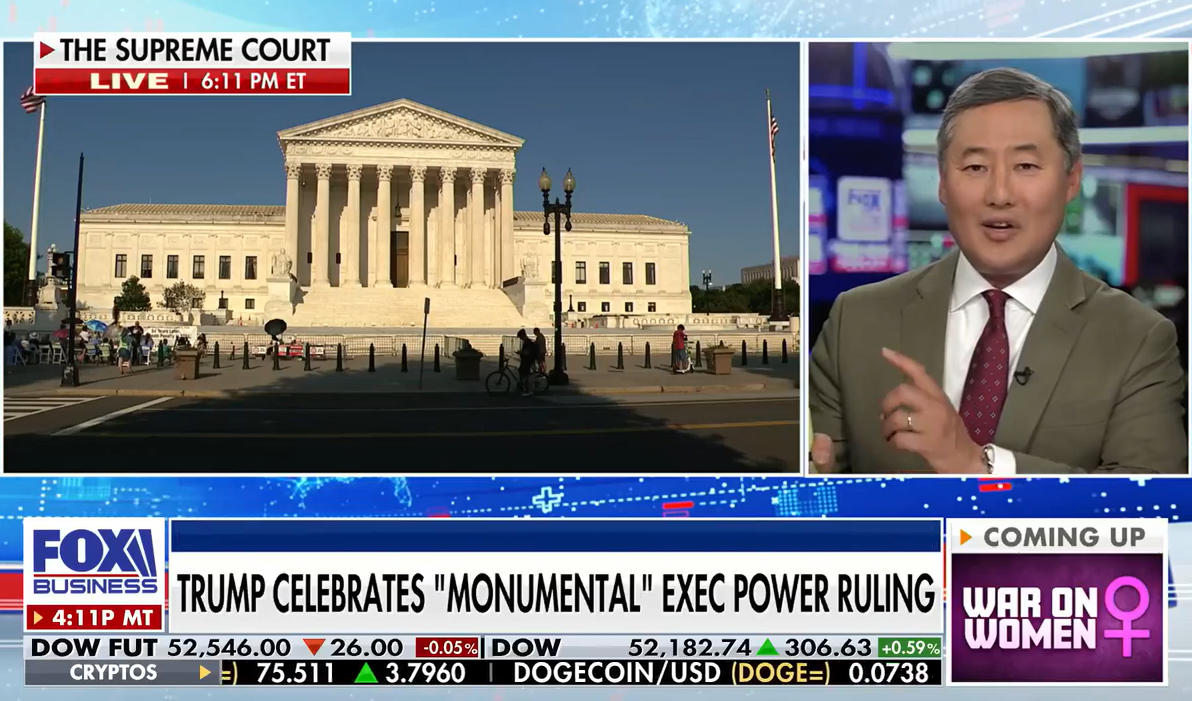


Confronting the New Antisemitism
"The postwar effort 'to rebrand Judaism as a religion' has made it impossible for American Jews to understand what they are facing today, because what we are facing today is an attack on the idea of Jewish peoplehood.”
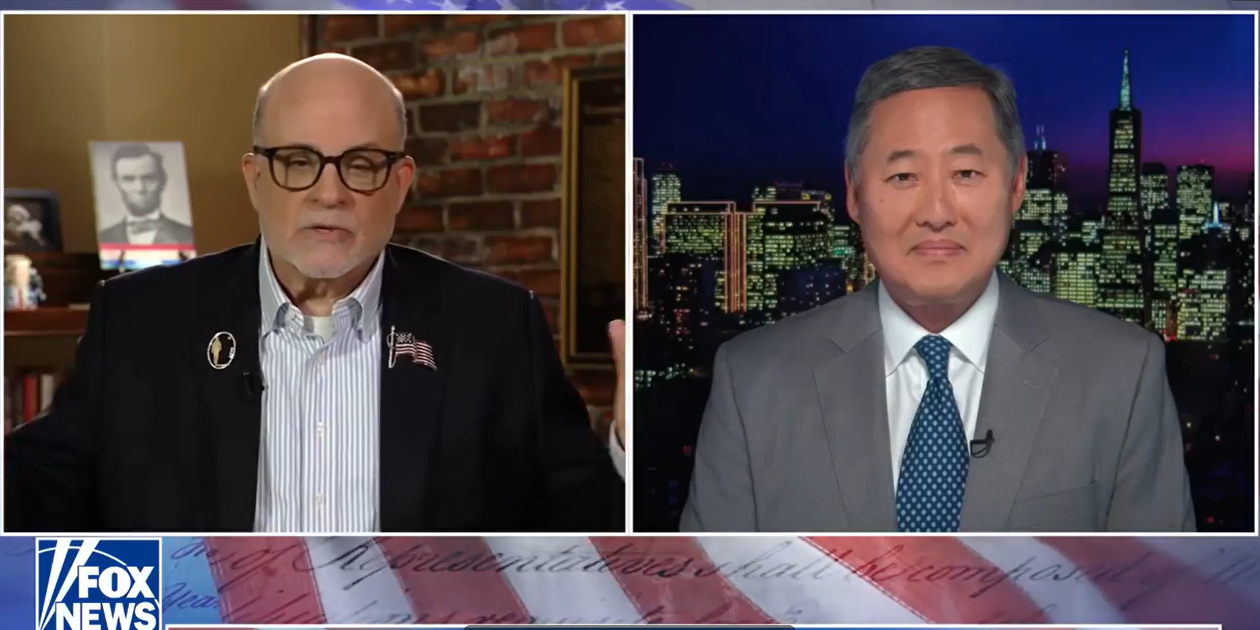
“Democratic” Socialism Is Undemocratic
By promoting class hatred, suppressing private initiative, and seeking enhanced control of our lives, today’s democratic socialists undermine patriotism and individual initiative—two qualities that have long distinguished the United States from other major nations.



Get the Civitas Outlook daily digest, plus new research and events.