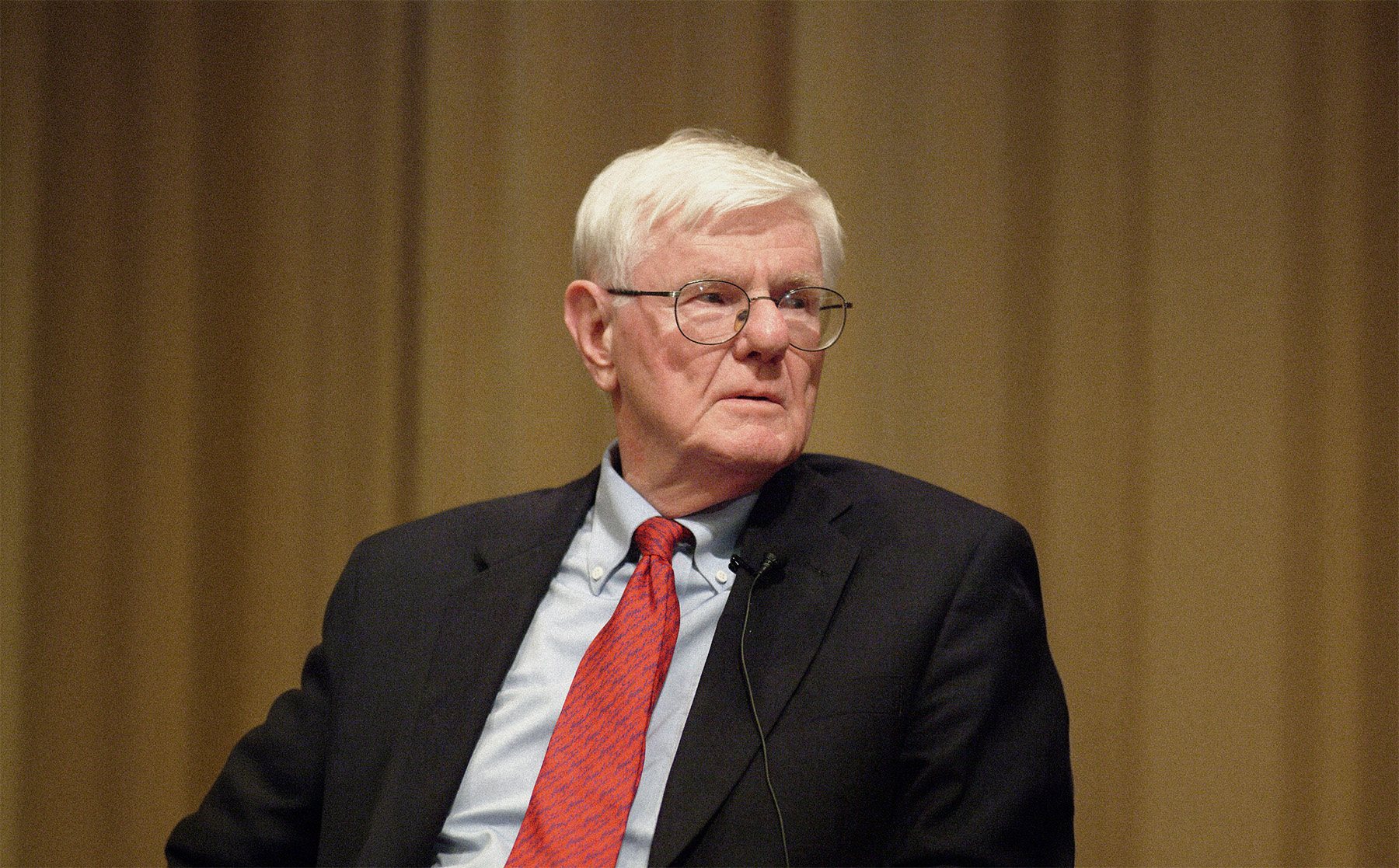
What Was the Founders' Design for National Security Beyond the Battlefield?
In Federalist 23, Alexander Hamilton identified the common defense and the preservation of peace against external attacks as two of the principal purposes served by union. The Constitution that union adopted divides the power to declare war—vested in Congress—and the power to direct war—vested in the President as Commander in Chief. But what does it say about national security more broadly? The Founders were not without reservation about the risks of concentrating the means of defense, with James Madison warning the Constitutional Convention that a “standing military force, with an overgrown Executive will not long be safe companions to liberty.” It was also clear from the start, however, that functions like intelligence gathering belonged more naturally to the executive, whose institutional character supported the necessary secrecy and dispatch.
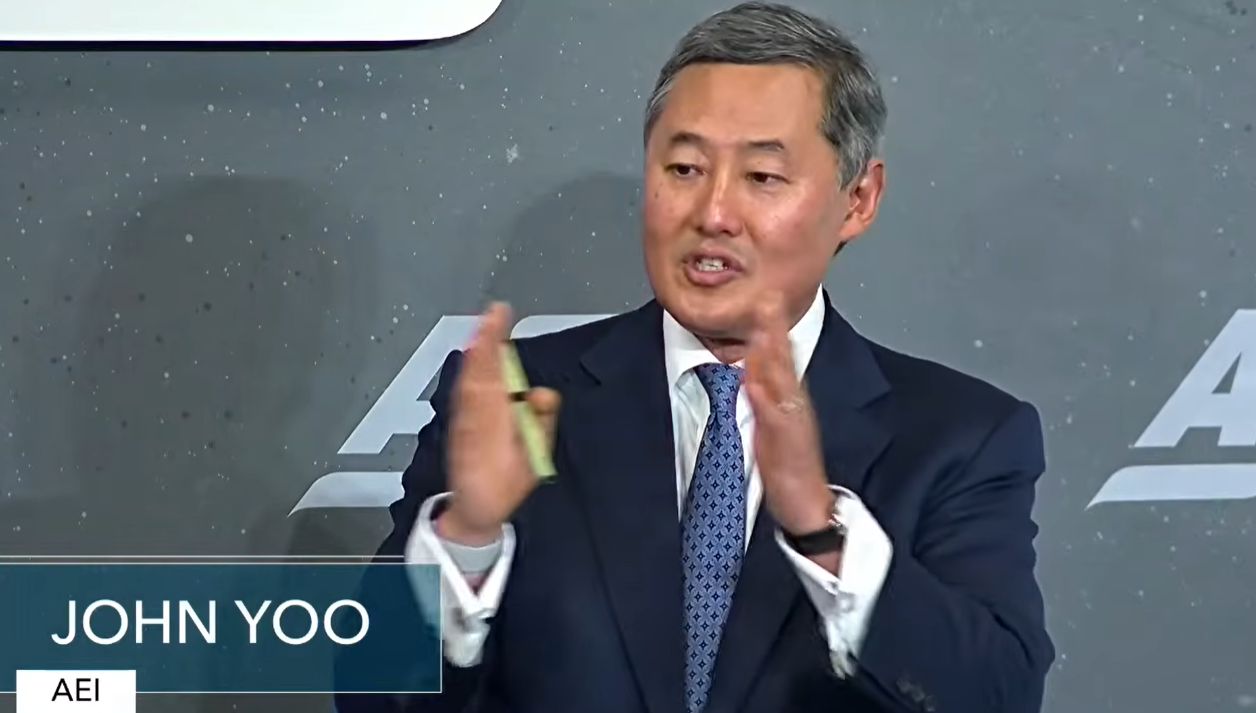
Senior research fellow John Yoo joined the Federalist Society America 250 series to discuss legal and policy debates through the lens of the Founding generation.

Pursuit of Happiness

The Rise of Latino America
In The Rise of Latino America, Hernandez & Kotkin argue that Latinos, who are projected to become America’s largest ethnic group, are a dynamic force shaping the nation’s demographic, economic, and cultural future. Far from being a marginalized group defined by oppression, Latinos are integral to America’s story. They drive economic growth, cultural evolution, and workforce vitality. Challenges, however, including poverty, educational disparities, and restrictive policies, threaten their upward mobility. Policymakers who wish to harness Latino potential to ensure national prosperity and resilience should adopt policies that prioritize affordability, safety, and economic opportunity over ideological constraints.







Spielberg’s Empty Hope
'Disclosure Day' should have been called 'Hope and Change,' or rather 'Change and Hope.'
.jpg)
Deliberative Republicanism and the Triumph of the American Founding
Instead of rejecting the moral urgency of the postliberal right and left, it is fitting and proper that we redirect it through the right kind of education—both formal and informal—that can inspire affection for our Constitution.
.jpg)